Raw sewage cleanup is a critical and challenging task that requires careful planning, proper safety measures, and the right equipment. Handling raw sewage is not just unpleasant; it poses significant health risks due to the presence of bacteria, viruses, and other harmful pathogens. Proper equipment ensures the safety of personnel, prevents cross-contamination, and makes the cleanup process more efficient and effective. Whether dealing with a residential sewer backup or a larger municipal issue, understanding the essential tools and protective gear is fundamental to performing raw sewage cleanup safely.
Personal Protective Equipment for Safety
The first and most crucial consideration in any raw sewage cleanup operation is personal safety. Raw sewage contains biological contaminants that can lead to severe infections, gastrointestinal problems, and skin conditions. Therefore, wearing the right personal protective equipment (PPE) is non-negotiable.
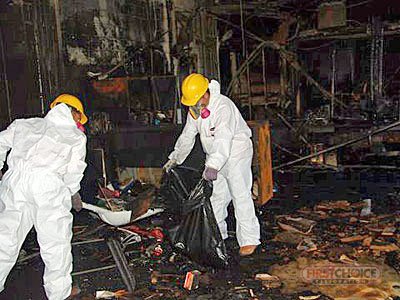
Gloves are a primary requirement, and heavy-duty, waterproof gloves are recommended to prevent direct contact with sewage. Nitrile gloves offer excellent chemical resistance and durability, while layered gloves provide extra protection. Protective suits or coveralls made from impermeable materials safeguard the body from splashes and prolonged exposure to contaminated water.
Boots are another essential item. Waterproof, slip-resistant boots protect feet and ankles while providing stability on slippery surfaces. Rubber or PVC boots are ideal for raw sewage cleanup. Eye protection, such as safety goggles or face shields, is necessary to prevent splashes from reaching the eyes, which are highly susceptible to infection. Additionally, respiratory protection may be required in cases of strong odors, airborne pathogens, or exposure to toxic gases such as hydrogen sulfide or methane, which can be present in sewage systems.
Cleaning and Disinfection Tools
Beyond protective gear, having the right cleaning and disinfection tools is essential for an effective raw sewage cleanup. Industrial-grade mops, squeegees, and brushes are necessary for physically removing contaminated materials. High-pressure water hoses can help flush out debris, but care must be taken to avoid splashing and spreading contaminants.
Disinfectants and sanitizers play a vital role in neutralizing harmful bacteria and viruses after the physical cleanup is completed. Chlorine-based disinfectants, quaternary ammonium compounds, and EPA-approved cleaners are commonly used in raw sewage cleanup to ensure that surfaces are safe for human contact afterward. It’s important to follow manufacturer guidelines for dilution, contact time, and safety precautions when using these chemicals.
Buckets and containers for waste collection are also critical. Heavy-duty, leak-proof containers should be used to safely transport contaminated water, sludge, and other waste to designated disposal areas. This minimizes the risk of secondary contamination and helps maintain a clean and organized work environment.
Pumps and Extraction Equipment
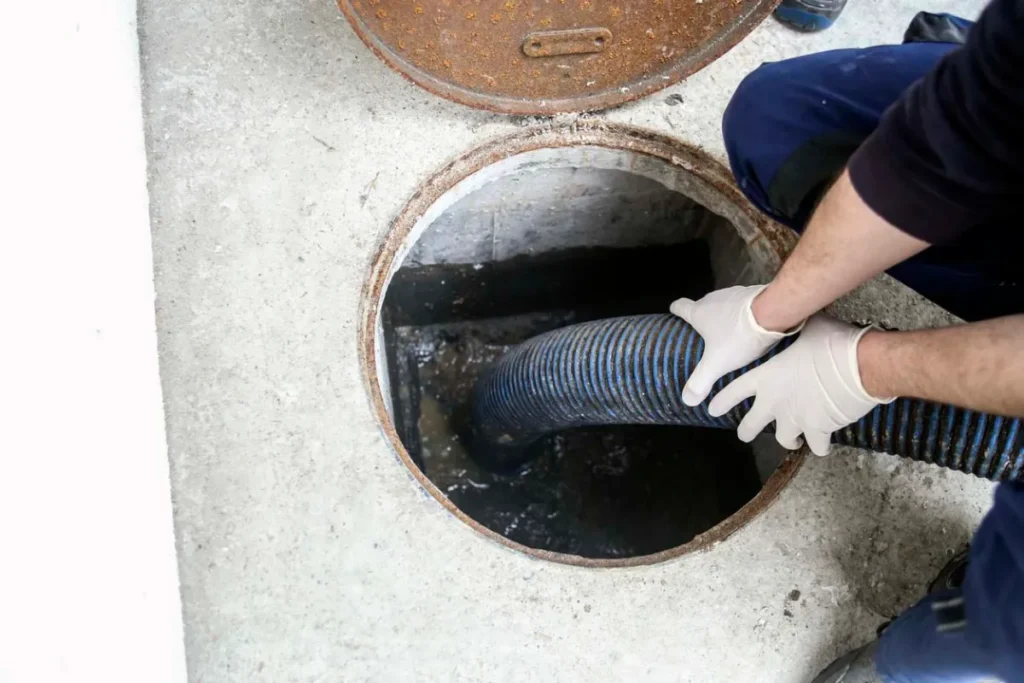
When dealing with significant volumes of raw sewage, manual removal is impractical. Pumps and extraction equipment are essential for efficiently removing contaminated water. Submersible pumps are commonly used to extract sewage from flooded areas or clogged sewer lines. These pumps are designed to handle solids, sludge, and other debris without clogging or damaging the equipment.
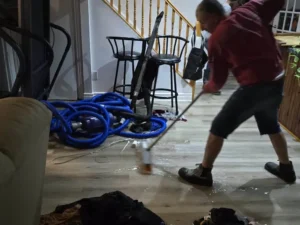
Wet/dry vacuums are another versatile tool in raw sewage cleanup. They can be used to remove both water and solid waste from confined spaces, such as basements or crawl spaces. Choosing a vacuum specifically rated for sewage ensures durability and proper filtration, reducing the risk of spreading contaminants during cleanup.
Hoses and fittings must be compatible with pumps and vacuums to ensure efficient operation. Flexible, reinforced hoses that resist kinking and bursting are preferred, especially when moving contaminated water over long distances or uneven surfaces.
Moisture Detection and Drying Equipment
After removing raw sewage and disinfecting surfaces, the next critical step is moisture control. Residual moisture can lead to mold growth, structural damage, and lingering odors, undermining the effectiveness of the cleanup. Moisture meters are valuable tools for detecting hidden damp areas, including walls, floors, and subflooring. These devices help ensure that all affected areas are thoroughly dried.
Air movers, dehumidifiers, and industrial fans are essential for drying out spaces after raw sewage cleanup. Air movers promote circulation, while dehumidifiers remove excess moisture from the air. Combining these tools accelerates the drying process, reduces the risk of mold proliferation, and restores the property to a safe and habitable condition.
Containment and Safety Barriers
During raw sewage cleanup, controlling the spread of contaminants is essential. Containment equipment such as plastic sheeting, tarps, and temporary barriers helps isolate affected areas. This prevents sewage from spreading to clean areas of the property and reduces the risk of cross-contamination.
Proper signage indicating contaminated zones is also important to ensure that unprotected individuals do not inadvertently enter hazardous areas. Barricades or tape can be used to create physical barriers, guiding workers and residents safely around the cleanup site.
Waste Disposal Supplies
Raw sewage cleanup generates significant amounts of contaminated materials, including water, sludge, absorbent pads, and protective gear. Safe disposal is a critical aspect of the process. Heavy-duty trash bags, bins, and containers specifically designated for biohazardous waste should be used. Labeling these materials clearly as contaminated ensures proper handling by disposal personnel and compliance with local health and environmental regulations.
It is important to coordinate with local authorities or licensed waste management companies to ensure that all sewage and contaminated materials are disposed of safely and legally. Improper disposal can result in environmental contamination, legal penalties, and ongoing health risks.
Specialized Equipment for Large-Scale Cleanup
For commercial or municipal raw sewage incidents, specialized equipment may be necessary. Sewer jetting machines, industrial sludge vacuums, and portable water treatment units are used to handle high volumes of sewage efficiently. These tools allow for faster, more thorough cleanup in large-scale situations while minimizing manual labor and exposure risks.
Drones and cameras can also be utilized for inspection purposes in complex sewer systems or hard-to-reach areas. These tools help identify blockages, leaks, and damage before physical cleanup begins, allowing workers to plan the most effective approach and reduce safety risks.
Training and Proper Usage
Even the best equipment is ineffective without proper training. Workers performing raw sewage cleanup must understand the correct use of PPE, cleaning agents, pumps, and drying equipment. Training in contamination control, hazard recognition, and emergency procedures is crucial to prevent injuries and infections.
Regular maintenance of equipment is also essential. Pumps, vacuums, and protective gear must be cleaned and disinfected after each use to ensure long-term functionality and prevent residual contamination.
Conclusion
Raw sewage cleanup is a demanding task that requires careful preparation, the right protective gear, and specialized tools. Personal protective equipment, cleaning and disinfection supplies, pumps, moisture detection tools, containment materials, and proper waste disposal resources all play a critical role in efficient and safe cleanup operations. For large-scale incidents, advanced equipment like sewer jetting machines and inspection drones may be necessary.
Equipping workers with the proper tools and training not only safeguards their health but also ensures that the cleanup process is thorough and effective. With the right preparation and equipment, raw sewage cleanup can be managed efficiently, minimizing health risks, property damage, and environmental contamination. Proper planning, adherence to safety protocols, and the use of specialized equipment make all the difference in turning a hazardous situation into a manageable and safe process.