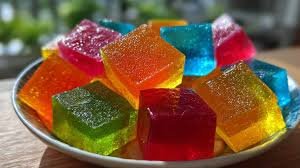
In the world of culinary arts, DIY home hacks, and even professional woodworking, few techniques have gained as much viral traction as the gelatin trick. While it may sound like a simple kitchen experiment, this versatile method has evolved into a fundamental skill for anyone looking to achieve professional-grade results in stabilization, clarification, and structural integrity. Whether you are a home cook trying to save a runny mousse or a hobbyist looking for a natural adhesive, mastering the essentials of this technique is your ticket to consistent success.
Understanding the Science of the Gelatin Trick
To truly master the gelatin trick, one must first understand what gelatin is and how it behaves under different conditions. Gelatin is a protein derived from collagen, found in animal parts. When it is heated in a liquid, its molecular bonds break down. As it cools, these protein strands entangle, trapping liquid in a three-dimensional web known as a thermoreversible gel.
The “trick” part of the equation usually refers to using this setting property in unconventional ways. For example, in the culinary world, it is used to clarify cloudy stocks—a process known as gelatin filtration. Because the protein web is so fine, it can trap microscopic impurities while allowing clear liquid to pass through as it melts. Understanding the bloom strength (the measure of a gelatin’s firmness) is the first step toward ensuring your specific application works every time.
Choosing the Right Materials
Success starts with the raw materials. Not all gelatin is created equal, and the version you choose will dictate the outcome of your project.
Powdered Gelatin vs. Sheet Gelatin
Most home users gravitate toward powdered gelatin because it is widely available in grocery stores. It is easy to measure by weight and dissolves quickly. However, professional chefs often prefer sheet (or leaf) gelatin. Sheets provide a much clearer final product and are generally considered to have a cleaner taste profile. If you are performing the gelatin trick for a high-end dessert or a clear consommé, leaf gelatin is often the superior choice.
Plant-Based Alternatives
For those following a vegan or vegetarian lifestyle, the classic gelatin trick can be adapted using agar-agar (derived from seaweed) or pectin (derived from fruit). However, be warned: these substitutes do not behave exactly like animal-based gelatin. Agar-agar sets much more firmly and at higher temperatures, meaning you will need to adjust your ratios and cooling times significantly to achieve similar results.
Preparation: The Blooming Process
The most common reason the gelatin trick fails is improper “blooming.” Blooming is the process of hydrating the gelatin before it is incorporated into a larger mixture.
To bloom properly, you must use cold liquid. If you drop gelatin directly into boiling water, the outside will hydrate instantly, forming a waterproof shell around a dry interior, resulting in stubborn, rubbery lumps. Instead, sprinkle the powder over a small amount of cold water and let it sit for five to ten minutes. It should look like a thick, translucent sponge. Only after this stage should you apply gentle heat to melt it into a liquid state.
Essential Applications of the Gelatin Trick
The versatility of this method is what makes it so popular across various disciplines. Here are the most effective ways to use it.
Culinary Clarification
If you have ever wondered how Michelin-star restaurants produce broth that is as clear as water but packed with flavor, the answer is the gelatin trick. By adding a specific ratio of gelatin to a flavorful stock, freezing it, and then letting it thaw slowly through a coffee filter in the refrigerator, you can remove every trace of cloudiness. The gelatin traps the fats and solids in the ice, letting only the pure, flavored water drip through.
Stabilizing Creams and Mousses
We have all experienced the tragedy of a beautiful whipped cream frosting wilting in the heat. By incorporating a small amount of melted gelatin into your heavy cream, you create a structure that holds its shape for hours, even at room temperature. This is a lifesaver for outdoor events or complex cake decorating where structural stability is non-negotiable.
DIY Beauty and Household Hacks
Beyond the kitchen, the gelatin trick is frequently used in homemade pore strips and hair treatments. The protein-rich nature of the substance allows it to bind to impurities on the skin or coat hair strands to provide temporary strength and shine. In woodworking, “rabbit skin glue” (a form of high-grade gelatin) is still used for traditional gilding and instrument making because of its incredible tensile strength and reversibility.
Common Mistakes and How to Avoid Them
Even with the best intentions, things can go wrong. Here are the pitfalls to watch out for.
The Enzyme Problem
Certain fruits contain enzymes called proteases that break down protein bonds. If you try to use the gelatin trick with raw pineapple, kiwi, papaya, or ginger, your mixture will never set. These enzymes literally eat the gelatin. To fix this, you must heat the fruit to a boil first to deactivate the enzymes before adding your gelatin.
Overheating
While you need heat to melt the bloomed gelatin, boiling it for an extended period can weaken its gelling power. Always aim for a gentle simmer or use a microwave in short bursts. Once the granules have disappeared and the liquid is clear, stop the heating process immediately.
Incorrect Ratios
The difference between a silky panna cotta and a rubber ball is often just a few grams of powder. For a soft set, a general rule of thumb is about 7 to 10 grams of gelatin per 500ml of liquid. If you are doing a clarification “trick,” you might need slightly more to ensure the ice structure holds during the thawing process.
Temperature Control and Setting Times
Patience is a requirement for the gelatin trick. While it might look set on the surface after an hour, the internal protein structure takes time to fully stabilize. For most applications, a minimum of four to six hours in the refrigerator is necessary. If you are performing a clarification, the process can take up to 24 or 48 hours in the fridge as the ice melts drip by drip.
Never try to rush the process by putting the mixture in the freezer unless the specific “trick” (like filtration) requires it. Flash-freezing can disrupt the formation of the protein lattice, leading to a grainy texture once thawed.
Troubleshooting Your Results
If your project didn’t turn out quite right, don’t panic. One of the best things about the gelatin trick is that it is often reversible. If a mixture didn’t set, you can often gently reheat it, add a bit more bloomed gelatin, and try again. If it set too hard, you can melt it down and add more liquid to dilute the protein concentration.
If your clarified liquid is still cloudy, it usually means the temperature rose too high during the dripping process, causing the gelatin to melt and pass through the filter. Keep your filtration setup strictly inside the refrigerator to maintain the integrity of the “filter” bed.
Final Success Tips
To ensure you get the most out of every attempt, keep a small kitchen scale handy. Measuring by weight (grams) is far more accurate than measuring by volume (teaspoons), especially since different brands of gelatin have different granule sizes.
Additionally, always consider the acidity of your base liquid. Highly acidic environments (like lemon juice or vinegar) can weaken the set of the gelatin. If you are working with very acidic ingredients, you may need to increase the amount of gelatin used by about 25% to compensate for the breakdown of the protein strands.
The gelatin trick is a perfect blend of chemistry and craft. By respecting the temperature, timing, and biological properties of the collagen, you can achieve results that seem almost magical to the uninitiated. From crystal clear soups to unbreakable whipped cream, the possibilities are limited only by your willingness to experiment.