The U.S. Supreme Court stands as a cornerstone of the American legal system, tasked with interpreting the Constitution and ensuring the rule of law. Its decisions have shaped the course of U.S. history, influencing every aspect of society—from civil rights to economic policies. Understanding the intricacies of its decision-making process provides valuable insight into the nation’s legal and cultural evolution.
A Brief History of the U.S. Supreme Court
Established in 1789 under Article III of the Constitution, the U.S. Supreme Court was envisioned as the ultimate arbiter of legal disputes. The Judiciary Act of 1789 laid the foundation for its structure and jurisdiction. Over the centuries, the Court has evolved, expanding its influence and solidifying its role as a co-equal branch of government alongside Congress and the Presidency.
The Intricacies of Supreme Court Decision-Making
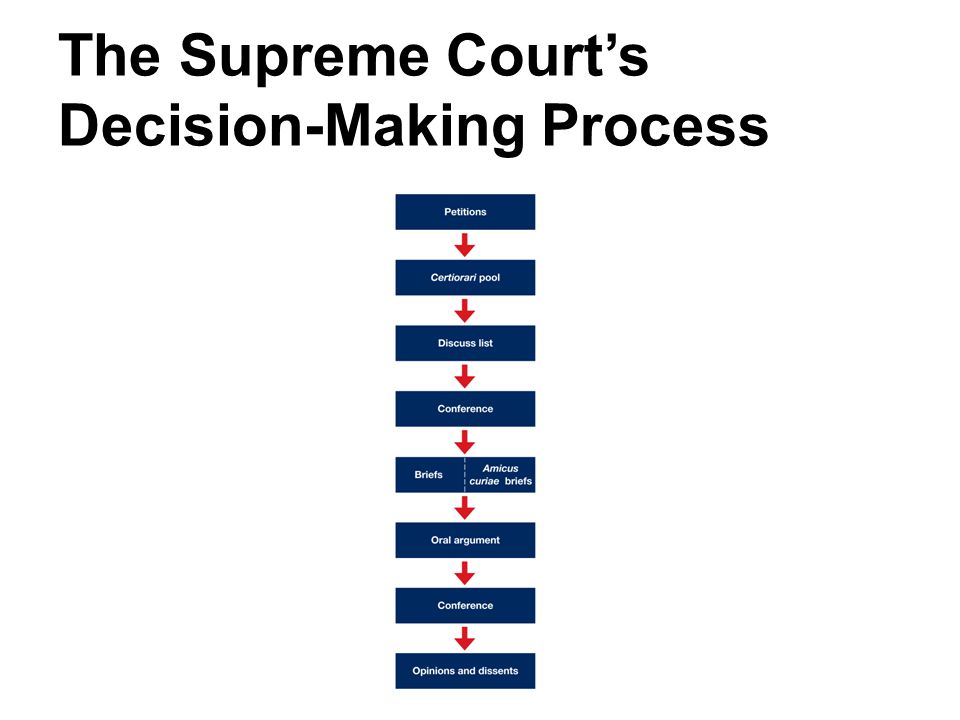
The decision-making process in the U.S. Supreme Court is both complex and meticulous, reflecting the high stakes of its rulings. Here are some key aspects that highlight these intricacies:
- Case Selection The Court receives thousands of petitions each year but hears only a small fraction. Through the “rule of four,” at least four justices must agree to grant a writ of certiorari, signaling the Court’s willingness to review a case.
- Oral Arguments Once a case is selected, both sides present oral arguments. These sessions provide justices with an opportunity to ask probing questions and clarify legal points, showcasing the intellectual rigor behind their decisions.
- Conference and Deliberation After oral arguments, the justices meet in private conferences to discuss the case. This stage is marked by thorough deliberations where each justice shares their perspective, reflecting the diversity of thought within the Court.
- Opinion Writing The majority opinion, which sets the precedent, is carefully crafted and often negotiated among justices to achieve consensus. Dissenting and concurring opinions further illustrate the nuances and complexities of the Court’s reasoning.
Landmark Decisions That Shaped the Nation
The U.S. Supreme Court has issued countless decisions that have profoundly impacted the United States. Here are some of the most significant:
- Marbury v. Madison (1803) This case established the principle of judicial review, empowering the Supreme Court to strike down laws deemed unconstitutional. It set the precedent for the Court’s role as a check on legislative and executive power.
- Brown v. Board of Education (1954) A pivotal moment in the Civil Rights Movement, this decision declared racial segregation in public schools unconstitutional, overturning the “separate but equal” doctrine established by Plessy v. Ferguson (1896).
- Roe v. Wade (1973) This landmark ruling recognized a woman’s constitutional right to privacy, extending to the right to have an abortion. The decision sparked ongoing debates about reproductive rights and the role of government in personal decisions.
- Obergefell v. Hodges (2015) In a historic step for LGBTQ+ rights, the Court ruled that same-sex marriage is a fundamental right under the Constitution, guaranteeing marriage equality nationwide.
- Citizens United v. Federal Election Commission (2010) This controversial decision held that corporations and unions could spend unlimited amounts on political campaigns, significantly influencing the role of money in politics.
The Legacy of the U.S. Supreme Court
The U.S. Supreme Court’s legacy is one of balancing continuity and change. Its ability to adapt to societal shifts while upholding constitutional principles ensures its relevance in an ever-evolving nation. Key aspects of its enduring legacy include:
- Defender of Rights: The Court has played a critical role in expanding and protecting individual rights, from free speech to voting rights.
- Arbiter of Controversy: As the ultimate interpreter of the Constitution, it resolves disputes on issues ranging from healthcare to immigration.
- Shaper of Governance: The Court’s decisions influence the balance of power among federal and state governments and between branches of government.
Challenges and Criticisms
While the U.S. Supreme Court is a pillar of the American legal system, it is not without controversy. Critics point to concerns about the politicization of judicial appointments, lifetime tenure, and decisions that reflect ideological divides. These challenges underscore the importance of maintaining public trust and judicial independence.
Conclusion
The U.S. Supreme Court remains a vital institution, shaping the nation’s legal landscape and upholding the Constitution. Through landmark decisions and its enduring legacy, it continues to influence the lives of every American. Understanding the intricacies of the Court’s decision-making process allows us to appreciate its role in safeguarding democracy and promoting justice.