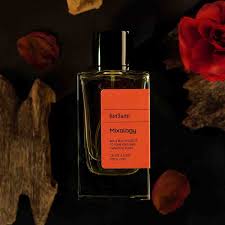
Introduction to Mixology Perfume
Mixology perfume is more than just a trend—it’s a revolutionary approach to fragrance that empowers individuals to create unique, personal scents that truly reflect their identity. While commercial perfumes offer a one-size-fits-all solution, mixology perfume opens the door to self-expression, creativity, and personalization. Through the art of fragrance blending, you can design a scent that evokes emotion, memories, or even complements your fashion choices.
This concept draws inspiration from the world of mixology in cocktails, where flavors are carefully combined to produce something unique and delightful. Similarly, mixology perfume involves blending different fragrance notes to construct a harmonious and customized olfactory experience.
The Art and Science Behind Fragrance Blending
Fragrance blending is both an art and a science. It involves understanding the structure of perfumes and how different notes interact. A well-balanced mixology perfume comprises top notes, heart (middle) notes, and base notes.
Top notes are the first impressions of a fragrance. They are typically fresh, light, and evaporate quickly—think citrus, bergamot, or mint.
Heart notes make up the core of the fragrance and emerge once the top notes dissipate. These often include floral, fruity, or spicy elements like rose, lavender, or cinnamon.
Base notes are the longest-lasting and provide depth and longevity. Common examples include vanilla, musk, sandalwood, and patchouli.
Creating a balanced mixology perfume requires experimentation and an understanding of how these layers interact. When blended correctly, the result is a multidimensional fragrance that evolves beautifully over time.
Why Mixology Perfume is Gaining Popularity
People are increasingly moving toward personalized products that reflect their individuality, and mixology perfume fits perfectly into this cultural shift. Unlike traditional perfumes, which can feel generic or overly commercial, personalized fragrance blending offers:
- Unique identity: No one else will have the same scent as you.
- Creative freedom: You can explore, mix, and adjust as your tastes evolve.
- Emotional resonance: Create scents that remind you of people, places, or moments.
Moreover, many mixology perfume enthusiasts find the process itself therapeutic and enjoyable. The hands-on experience of blending allows for mindful exploration, much like painting or composing music.
Essential Tools and Ingredients for Fragrance Blending
To get started with mixology perfume, you don’t need a fully equipped lab—just a few essential tools and a selection of fragrance oils or essential oils.
Basic tools include:
- Droppers or pipettes
- Small glass bottles
- Perfumer’s alcohol or carrier oil (like jojoba oil)
- Blotter strips
- Notebook for recording your formulas
Fragrance ingredients might include:
- Essential oils (like lavender, eucalyptus, ylang-ylang)
- Aroma chemicals (for more complex blends)
- Natural extracts (such as vanilla or sandalwood)
A useful tip is to start with simple blends and gradually build complexity as you become more confident. For instance, mix a floral note with a citrus and see how they harmonize. Over time, you’ll develop an instinct for which combinations work well.
Techniques and Tips for Creating a Signature Mixology Perfume
Creating your signature mixology perfume requires patience and practice. Here are several steps and tips to guide you:
Start with a Theme or Inspiration
Think about the mood, place, or memory you want your perfume to evoke. Do you want a scent that smells like a summer garden or a cozy winter night? Having a theme will help you choose compatible notes.
Follow the 30/50/20 Rule
This classic rule suggests 30% top notes, 50% heart notes, and 20% base notes. It’s a helpful starting point to create a balanced fragrance.
Blend in Small Batches
Use small test quantities (e.g., 5ml) before committing to larger batches. This way, you can easily adjust proportions without wasting materials.
Keep Detailed Notes
Record every drop and ingredient. Even if a blend doesn’t turn out perfectly, these notes will help you learn and recreate your best formulations.
Let It Mature
Once your mixology perfume is blended, let it sit for a few days to allow the components to meld together. This maturation period can significantly affect the final aroma.
Exploring Scent Families and How They Interact
To master mixology perfume, it’s helpful to understand the main fragrance families:
- Floral: Romantic and soft (rose, jasmine, violet)
- Citrus: Fresh and uplifting (lemon, bergamot, grapefruit)
- Woody: Earthy and warm (cedar, sandalwood, vetiver)
- Oriental: Rich and exotic (amber, vanilla, spices)
- Fresh/Green: Clean and crisp (grass, green tea, mint)
Some families naturally complement each other. For example, floral notes blend well with citrus or woody bases, while oriental notes pair beautifully with gourmand or spicy elements.
Experimenting with different families will expand your olfactory palette and enhance your skill in crafting mixology perfume compositions.
Sustainability and Clean Beauty in Mixology Perfume
Another appealing aspect of mixology perfume is the potential for eco-conscious creation. Many perfume enthusiasts choose to work with natural, vegan, or cruelty-free ingredients. You have full control over what goes into your blend, which means you can avoid harmful chemicals, allergens, or synthetic additives.
In addition, by reusing bottles and sourcing ethically-produced oils, mixology perfume becomes an environmentally responsible form of self-expression.
Mixology Perfume as a Lifestyle and Community
The rise of DIY beauty and artisan fragrance has created a vibrant community around mixology perfume. Enthusiasts share recipes, tips, and experiences through blogs, YouTube channels, and social media groups. Some even participate in workshops or local fragrance clubs to exchange ideas and inspiration.
Beyond personal use, mixology perfume also opens entrepreneurial opportunities. Many hobbyists go on to launch their own bespoke fragrance lines or offer custom perfume services for events and individuals.
Final Thoughts: Embrace the Freedom of Fragrance
Mixology perfume is a gateway to a deeper connection with your senses, your emotions, and your identity. By learning to blend your own fragrances, you gain not just a product, but a creative outlet that evolves with you.