When water inundates a home or business property, the physical and emotional impact can be overwhelming. In eastern Nebraska, severe weather patterns, sudden river surges, heavy torrential rain, and unexpected plumbing failures routinely cause severe property damage. Navigating the aftermath of a disaster requires immediate action, detailed planning, and professional expertise. Understanding the core obstacles associated with flood restoration in Omaha and executing proven, field-tested solutions is critical for protecting property structure, interior contents, and human health.
The Urgent Need for Rapid Water Cleanup
Water is inherently destructive when left uncontrolled. Within minutes of a flood, water saturates everything in its path, spreading across subflooring, migrating through drywall, and seeping under baseboards. Porous materials such as carpet padding, insulation, and furniture act like sponges, absorbing moisture and expanding rapidly.
The primary challenge during the early stages of a disaster is timing. Standing water rapidly degrades structural components, causing wooden framing to warp, drywall to sag, and metal fixtures to rust. Additionally, stagnant water serves as a breeding ground for harmful bacteria, parasites, and micro-organisms, especially when floodwaters originate from outdoor runoff or sewer backups.
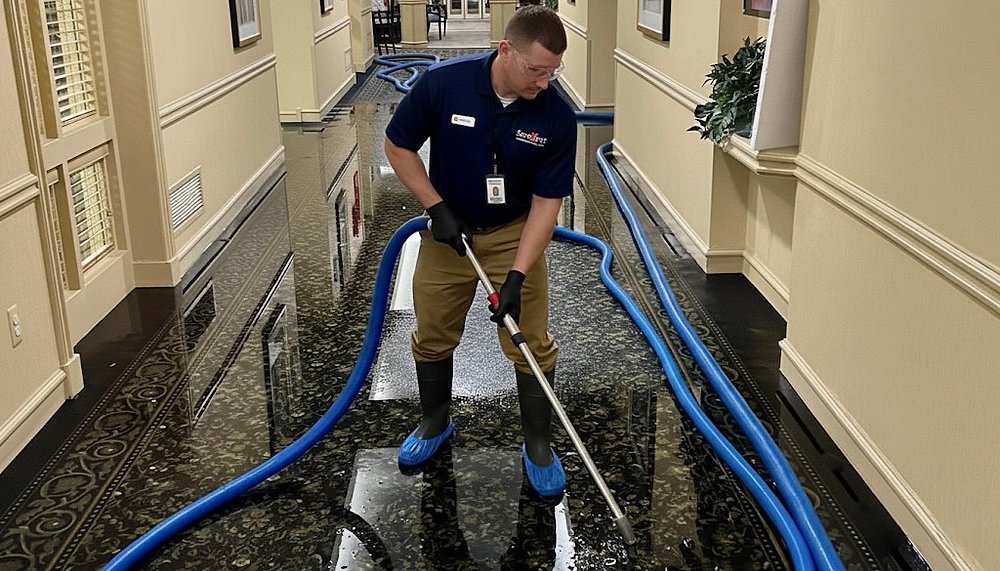
The practical solution begins with immediate site containment and professional water extraction. Turning off main power sources in affected zones reduces immediate electrical risks. Property owners must rely on heavy-duty, industrial-grade water pumps and subsurface extractors to pull standing water out of building materials fast. Removing liquid water mechanically is hundreds of times more efficient than relying solely on evaporation, making high-volume extraction the essential first line of defense in effective flood restoration in Omaha.
Primary Challenges in Localized Flood Restoration
Restoring a property involves navigating complex structural and environmental variables. Factors specific to eastern Nebraska present distinct challenges that require customized recovery strategies.
Basement Inundation and Foundation Pressures
A vast majority of residential and commercial structures across Douglas County feature below-grade basements. During periods of torrential rainfall or rapid snowmelt, the surrounding soil becomes completely saturated. This creates immense hydrostatic pressure against foundation walls. Groundwater can seep through basement floor cracks, foundation joints, and floor drains.
Basement flooding is exceptionally challenging because below-grade spaces naturally trap moisture, lack natural airflow, and house major utility systems like water heaters and furnaces. Pumping water out too quickly from a heavily flooded basement can cause hydrostatic pressure imbalances, potentially collapsing foundation walls. A balanced, phased extraction process ensures structural stability while eliminating standing water.
Hidden Moisture and Structural Saturation
Even after surface water is completely cleared, immense quantities of moisture remain hidden inside structural cavities. Water easily travels up drywall via capillary action, reaching far above visible stain lines. It pools inside wall cavities, saturates subfloors, and collects underneath tile or hardwood.
Attempting to dry a building using standard household fans or natural ventilation is insufficient. Moisture trapped behind plaster, under floorboards, or within wall insulation continues to rot timber and corrode wiring unseen. Modern flood restoration in Omaha utilizes advanced diagnostic technology—such as thermal imaging cameras and non-penetrating moisture meters—to map invisible water migration and establish concrete drying targets.
Rapid Mold Proliferation and Indoor Air Quality
Mold spores exist naturally in indoor and outdoor environments. When provided with moisture, organic material (like drywall paper or wood), and warm temperatures, mold spores germinate in as little as 24 to 48 hours. Mold infestations compromise structural materials and release airborne spores and volatile organic compounds that can cause respiratory issues and allergic reactions.
Managing microbial risks requires thorough sanitization and precise relative humidity control. Applying antimicrobial treatments to affected surfaces halts fungal growth, while commercial dehumidification systems strip ambient moisture from the air to maintain humidity levels well below the threshold for mold germination.
Biohazard Contamination Categories
Floodwaters are rarely clean. Water damage is categorized into three clean-to-dirty tiers:
- Category 1 (Clean Water): Originates from sanitary sources like broken supply lines or sink overflows.
- Category 2 (Gray Water): Contains significant chemical or biological contamination, such as washing machine discharge or sump pump failures.
- Category 3 (Black Water): Highly dangerous water containing pathogenic agents, raw sewage, or overland river flooding.
Storm floods and sewer back-ups fall squarely into Category 3. Handling contaminated water without proper personal protective equipment (PPE) poses severe health risks. Absorbent porous items—such as wall insulation, carpet padding, and unsealed wood—that come into contact with Category 3 water must be safely removed, disposed of, and replaced to guarantee safety.
Comprehensive Solutions for Effective Property Recovery
Overcoming these complex challenges requires a structured, multi-step recovery process executed with scientific precision. Professional flood restoration in Omaha relies on industry-certified techniques to safely return properties to pre-loss condition.
Step 1: Safety Assessment and Moisture Mapping
Before any cleanup begins, certified technicians conduct a comprehensive safety inspection. They evaluate structural stability, check for electrical hazards, classify the water category, and identify gas leaks. Using moisture sensors and thermal cameras, specialists map out all affected areas to build a comprehensive, targeted drying plan.
Step 2: Emergency Extraction and Debris Removal
Heavy extraction units remove the bulk volume of standing water. Concurrently, heavily contaminated or unsalvageable porous building materials—such as saturated drywall, ruined insulation, and ruined floor coverings—are cut away and removed. Clearing these damaged materials opens up wall cavities, allowing structural framing to dry much faster.
Step 3: Industrial Structural Drying and Climate Control
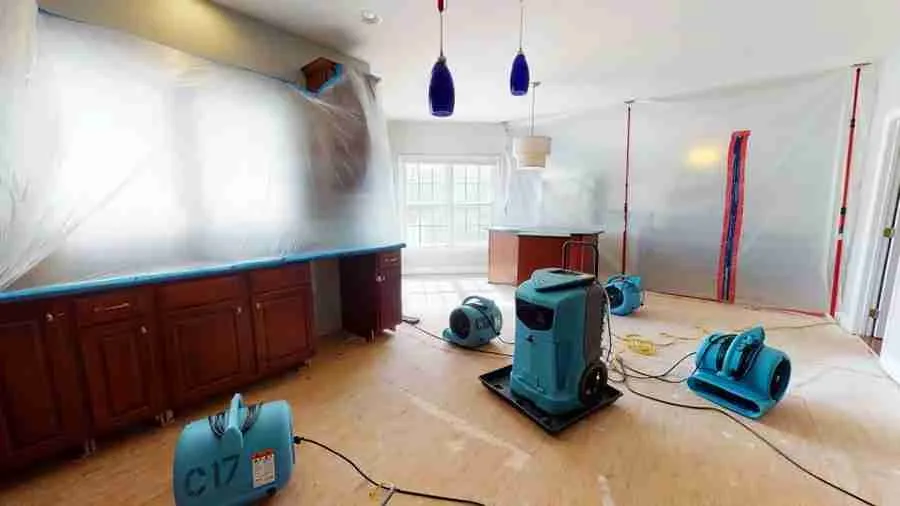
To draw bound water out of deep structural framing and subfloors, restorers deploy high-velocity air movers and commercial refrigerant or desiccant dehumidifiers. Air movers sweep dry air across wet surfaces, accelerating evaporation, while dehumidifiers condense the airborne water vapor into liquid and pump it outside. Daily moisture readings track progress until all building materials match baseline dry standards.
Step 4: Decontamination, Deodorization, and Reconstruction
Once structural framing reaches safe moisture levels, all surfaces are thoroughly cleaned, disinfected, and deodorized using EPA-registered antimicrobial agents. Air scrubbers equipped with HEPA filtration clear airborne particulate matter and lingering odors. Finally, skilled reconstruction crews repair drywall, install new flooring, and refinish surfaces to restore the property completely.
Long-Term Prevention and Disaster Preparedness
While complete immunity to severe weather is impossible, property owners can take proactive measures to minimize future flood risks:
- Install Sump Pumps with Battery Backups: Ensure primary pumps are routinely tested and pair them with auxiliary battery power to handle severe storms accompanied by power outages.
- Maintain Backwater Valves: Install backwater check valves on main sewer lines to prevent city sewer surcharges from backing up into basement floor drains.
- Optimize Exterior Drainage: Clean gutters and extend downspout discharge pipes at least five feet away from foundation walls to keep groundwater away from the basement.
- Schedule Annual Inspection: Regularly check plumbing supply lines, water heaters, and foundation walls for early signs of stress or seepage.
By pairing preventative maintenance with fast, professional action during emergencies, property owners can successfully overcome the dangers of water damage and ensure long-term structural integrity.