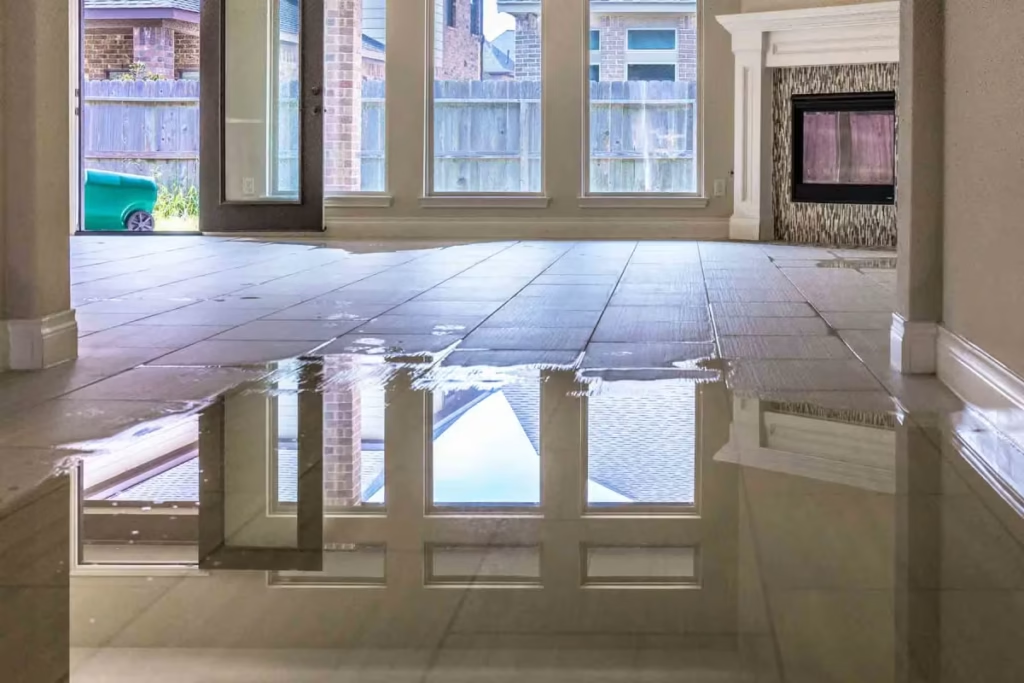
Flooding can strike suddenly, leaving homeowners overwhelmed by damage and uncertainty. Effective flooding cleanup is essential not only to restore your property but also to protect your health and prevent long-term structural damage. Knowing the right steps and following a clear plan ensures the process is efficient, safe, and thorough. This guide provides a detailed, step-by-step approach to flooding cleanup after a storm, helping homeowners take control in challenging situations.
Assess the Situation Safely
The first step in flooding cleanup is evaluating the damage safely. Before entering the property, ensure the storm has passed and there are no immediate hazards such as downed power lines, gas leaks, or unstable structures. Safety should be the top priority. Wear protective gear including waterproof boots, gloves, and a mask to prevent exposure to contaminated water and debris. If the flooding is severe, consider contacting professional services experienced in flooding cleanup to assess risks.
Remove Standing Water
Standing water is the immediate concern after a flood. Water left untreated can seep into walls and flooring, causing structural damage and promoting mold growth. Using pumps, wet vacuums, or buckets, begin removing water from affected areas. For extensive flooding, professional flooding cleanup companies have specialized equipment that can accelerate the removal process and prevent further damage. Removing water promptly reduces the risk of long-term issues and prepares the home for the next steps of restoration.
Protect Belongings and Salvage What You Can
Once standing water is reduced, focus on salvaging personal belongings. Remove furniture, electronics, and other valuable items from affected areas to prevent further damage. Items that are wet should be dried immediately or professionally cleaned to prevent mold and bacterial growth. Some materials, such as upholstered furniture or carpets heavily soaked, may be unsalvageable and require disposal. Prioritizing items with sentimental or financial value ensures that your most important possessions are preserved during flooding cleanup.
Dry and Dehumidify the Property
After removing water and salvaging belongings, the next critical step is drying the property. Open windows and doors to improve air circulation, and use fans and dehumidifiers to remove moisture from the air and structural elements. Water trapped in walls, flooring, or insulation can continue to cause damage if not properly dried. For effective flooding cleanup, consider professional-grade dehumidifiers and drying equipment that can reach areas inaccessible to household devices. This step is essential to prevent mold, which can develop within 24 to 48 hours after flooding.
Clean and Disinfect Affected Areas
Floodwaters often carry contaminants, including bacteria, chemicals, and sewage. Cleaning and disinfecting surfaces is a vital part of flooding cleanup to ensure the home is safe for inhabitants. Use disinfectants approved for flood-related cleanup, scrubbing walls, floors, and any other hard surfaces. Items that cannot be thoroughly disinfected should be discarded. This step reduces the risk of health problems such as infections or allergic reactions and helps restore the home to a safe environment.
Inspect Structural Damage
Flooding can compromise the integrity of your home’s structure. After initial cleanup, inspect walls, floors, and the foundation for signs of damage such as warping, cracks, or erosion. Water can weaken wooden beams and drywall, making it essential to assess the property carefully. If structural damage is suspected, hiring a licensed contractor or restoration expert specializing in flooding cleanup is strongly recommended. Early detection of structural issues can prevent more severe damage and costly repairs in the future.
Prevent Mold Growth
Mold can be a significant long-term consequence of flooding if the property remains damp. After drying and cleaning, continue monitoring moisture levels and ensure proper ventilation throughout the home. Mold-resistant paints and treatments can be applied to vulnerable areas to provide additional protection. Professional flooding cleanup services often include mold remediation as part of their comprehensive plan, ensuring your home is not only clean but safe from hidden microbial hazards.
Restore and Rebuild
Once the home is dry, clean, and safe, focus on restoring and rebuilding damaged areas. Replace flooring, drywall, and insulation as needed, and repair any structural issues identified during inspection. Rebuilding can also be an opportunity to improve the property with flood-resistant materials or enhancements to reduce future flood damage. The goal of flooding cleanup is not only to remove immediate water damage but also to restore the home to a fully functional and safe state.
Document Damage for Insurance
Throughout the flooding cleanup process, it is crucial to document the damage for insurance purposes. Take photographs and maintain records of all affected areas, salvaged items, and repair costs. This documentation supports insurance claims and ensures you can recover financial losses from the storm. Professional flooding cleanup companies often provide detailed reports that can be submitted to insurers, streamlining the claims process and giving homeowners peace of mind.
Plan for Future Preparedness
After a flooding event, consider implementing measures to reduce future risks. This might include improving drainage systems, sealing basements, or elevating valuable items above potential flood levels. Understanding how flooding affects your property can guide preventive strategies and minimize damage in future storms. Flooding cleanup is not only about restoring the home but also learning and preparing for better resilience.
Conclusion
Flooding cleanup is a complex, multi-step process that requires careful planning, safety precautions, and timely action. By assessing the situation, removing standing water, drying and disinfecting, and restoring your property, homeowners can protect their health, salvage valuable items, and restore their home’s value. Incorporating preventive measures after cleanup can further reduce the impact of future storms. Whether handling minor flooding or severe storm damage, following these steps ensures a structured and effective approach to flooding cleanup, helping homeowners regain control and peace of mind.
The process may seem daunting, but with the right plan and, when necessary, professional assistance, even significant flood damage can be managed successfully. Effective flooding cleanup restores not only homes but also a sense of safety and stability after a storm.