Professional Mold Damage Cleaning: What to Expect
Mold infestations in homes and workplaces are more than just an aesthetic concern. They pose serious health risks, including respiratory issues, allergies, and even structural damage to buildings. When you notice mold growth, the first step is often professional mold damage cleaning. Hiring trained experts ensures the problem is addressed thoroughly and safely, preventing future outbreaks and protecting both your health and property.
Understanding Mold and Its Risks
Mold is a type of fungus that thrives in damp, humid environments. Common areas for mold growth include bathrooms, basements, kitchens, and areas around leaky roofs or pipes. While some types of mold are relatively harmless, others, such as black mold, can produce toxins that are hazardous to humans and pets. Symptoms of mold exposure may include coughing, sneezing, skin irritation, headaches, and fatigue.
Professional mold damage cleaning is not just about removing visible mold. It involves identifying the source of moisture, assessing the extent of contamination, and implementing strategies to prevent recurrence. Without proper cleaning, mold spores can continue to spread, making the problem worse over time.
Signs You Need Professional Mold Damage Cleaning
Knowing when to call professionals is crucial. While small mold patches might seem manageable with household cleaners, extensive growth requires expert intervention. Signs that you need professional mold damage cleaning include:
- Persistent musty odors that don’t go away
- Visible mold growth on walls, ceilings, or floors
- Water damage or leaks that encourage mold growth
- Allergic reactions or respiratory problems among occupants
Professional cleaners use specialized equipment to detect hidden mold in areas that are difficult to access, such as inside walls, under floors, and within ventilation systems. Early detection is key to minimizing damage and health risks.
The Mold Damage Cleaning Process
Professional mold damage cleaning involves several steps, each designed to ensure thorough removal and long-term prevention. Here’s what you can typically expect:
Assessment and Inspection
The first step is a detailed inspection of your property. Experts identify areas affected by mold, assess the severity of the infestation, and determine the type of mold present. This evaluation often involves moisture measurement tools, air quality tests, and sometimes even laboratory analysis to identify the species of mold.
Containment
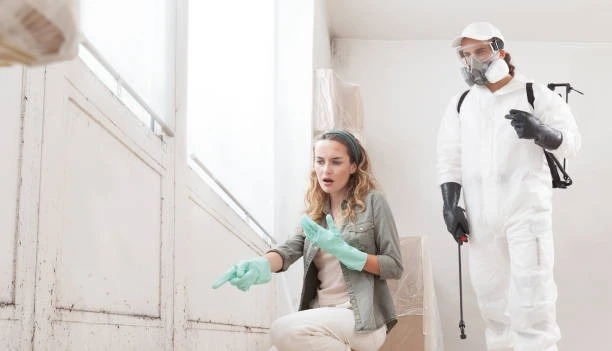
Once the affected areas are identified, containment procedures are implemented to prevent spores from spreading to other parts of the building. This may include sealing off rooms with plastic sheeting, using negative air pressure machines, and employing HEPA filters to capture airborne spores.
Mold Removal
Mold removal is done using specialized cleaning agents, brushes, and sometimes even sanding or scraping affected surfaces. Non-porous surfaces like metal, glass, and certain plastics can be thoroughly cleaned, while porous materials such as drywall, carpets, and insulation may need to be removed and replaced. Professional mold damage cleaning ensures that spores are not just superficially wiped away but completely eradicated from the affected areas.
Cleaning and Sanitizing
After removal, all surfaces are cleaned and sanitized to eliminate any remaining spores. This step often involves antimicrobial solutions and industrial-grade cleaning equipment. Thorough sanitization not only removes mold but also helps restore indoor air quality, making the environment safe for occupants.
Drying and Dehumidification
Moisture is the main cause of mold growth, so professional mold damage cleaning always includes drying and dehumidification. Experts use high-powered fans, dehumidifiers, and sometimes industrial drying systems to ensure all areas are moisture-free. This step is critical to preventing mold from returning.
Post-Cleaning Inspection
After the cleaning process, professionals perform a final inspection to verify that all mold has been removed and the affected areas are completely dry. Some companies also provide air quality testing to confirm that spore levels are within safe limits.
Benefits of Hiring Professionals
While some homeowners attempt mold damage cleaning themselves, professional services offer significant advantages:
- Expertise and Experience: Professionals understand the behavior of mold and know how to eliminate it safely and effectively.
- Advanced Equipment: Industrial-grade tools, HEPA filters, and moisture meters ensure thorough cleaning and detection.
- Health and Safety: Professionals are trained to handle toxic molds and use protective gear to prevent exposure.
- Long-Term Solutions: By addressing moisture sources and applying preventative measures, experts reduce the risk of future infestations.
Attempting DIY mold removal may temporarily improve the appearance of the affected area, but without proper training and equipment, the spores can continue to spread, leading to recurring problems and potential health risks.
Preventing Mold After Cleaning
Professional mold damage cleaning doesn’t end with removal. Preventing future growth is just as important. Key strategies include:
- Fixing leaks in roofs, walls, and plumbing
- Ensuring proper ventilation in bathrooms, kitchens, and basements
- Using dehumidifiers in humid climates
- Regularly inspecting areas prone to moisture accumulation
- Cleaning HVAC systems to prevent spore circulation
Maintaining a dry, well-ventilated environment is essential for long-term mold prevention. Professional cleaners often provide guidance and maintenance tips tailored to your property.
Choosing the Right Service
Selecting a reliable mold damage cleaning service is crucial for effective results. Look for companies that:
- Have proper certifications and licensing
- Use eco-friendly and safe cleaning solutions
- Provide clear, detailed estimates and processes
- Offer post-cleaning inspections and guarantees
Reading reviews, checking references, and confirming insurance coverage can help ensure you choose a trustworthy provider.
Conclusion
Mold infestations are a serious problem that requires professional attention. Professional mold damage cleaning goes beyond simple surface cleaning. It addresses the root cause, removes mold safely, and helps prevent future growth. By understanding the process and benefits, property owners can make informed decisions, ensuring a healthy, mold-free environment for their families or employees.
Investing in professional mold damage cleaning is not just about aesthetics—it’s about safety, health, and peace of mind. With the right expertise and tools, mold can be effectively managed, leaving your property clean, safe, and protected against future outbreaks.