Partial denturesPartial dentures are one of the most practical and widely used solutions for people who have lost some, but not all, of their natural teeth. They are designed to restore both function and appearance, helping individuals regain their ability to chew, speak clearly, and smile confidently. Unlike full dentures, which replace an entire arch of teeth, partial dentures are used when some healthy natural teeth remain and can support the replacement structure.
What Are Partial Dentures?
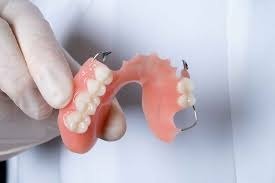
Partial dentures are removable dental appliances that replace one or more missing teeth in the upper or lower jaw. They are custom-made to fit the shape of your mouth and are supported by your remaining natural teeth. These dentures usually consist of replacement teeth attached to a gum-colored base, which may be connected with a metal or flexible framework.
The main goal of partial dentures is to fill gaps left by missing teeth. These gaps, if left untreated, can cause surrounding teeth to shift, leading to bite problems, difficulty chewing, and even changes in facial structure over time.
Partial dentures not only restore function but also help maintain the alignment of remaining teeth, preventing further dental complications.
Types of Partial Dentures
There are several types of partial dentures, each designed to meet different dental needs and comfort preferences.
Acrylic Partial Dentures
Acrylic partial dentures are often used as a temporary solution. They are made from a lightweight plastic material and are generally more affordable. However, they may be slightly bulkier compared to other types and are less durable in the long term.
Metal Framework Partial Dentures
These partial dentures use a thin metal framework, usually made of cobalt-chromium alloy, which provides strength and stability. They are more durable and fit more securely in the mouth. The metal design allows for a smaller and more comfortable fit while offering long-term use.
Flexible Partial Dentures
Flexible partial dentures are made from soft, flexible materials that blend naturally with the gums. They are comfortable, lightweight, and do not use metal clasps. This makes them a popular choice for individuals looking for a more natural appearance and enhanced comfort.
Who Needs Partial Dentures?
Partial dentures are recommended for individuals who have lost several teeth but still have healthy natural teeth remaining. Common reasons for needing Partial dentures include tooth decay, gum disease, injury, or tooth extraction.
People who are not suitable candidates for dental implants due to health conditions or bone density issues often consider partial dentures as a reliable alternative. They are also ideal for those who want a non-invasive and cost-effective solution for missing teeth.
Benefits of Partial Dentures
Partial dentures offer several advantages that make them a popular choice for tooth replacement.
One of the primary benefits is improved chewing ability. Missing teeth can make it difficult to eat certain foods, but partial dentures restore much of that function.
They also enhance speech clarity. Gaps in teeth can affect pronunciation, and replacing them helps improve communication.
Another key benefit is aesthetic improvement. Partial dentures fill gaps in the smile, helping individuals feel more confident in social and professional settings.
Additionally, partial dentures help maintain facial structure. Missing teeth can cause the face to sag or appear sunken, but dentures support the natural shape of the jaw and cheeks.
The Process of Getting Partial Dentures
The process of getting Partial dentures typically involves several steps. First, a dental examination is conducted to assess oral health and determine suitability. The dentist will check the condition of remaining teeth and gums.
Next, impressions of the mouth are taken to create a custom-fit design. These impressions ensure that the dentures fit comfortably and function properly.
After the design is created, a trial fitting may be done. This allows adjustments to be made for comfort, bite alignment, and appearance.
Once finalized, the dentures are fabricated and fitted. The dentist ensures they fit securely and provides instructions on how to wear and care for them.
Care and Maintenance of Partial Dentures
Proper care is essential to maintain the longevity and effectiveness of Partial dentures. They should be cleaned daily using a soft brush and non-abrasive denture cleaner to remove food particles and plaque.
It is important to remove dentures at night to allow the gums to rest and to prevent bacterial buildup. They should be stored in clean water or a denture solution when not in use.
Regular dental check-ups are also necessary. Over time, the shape of the mouth can change, and adjustments may be required to maintain a proper fit.
Avoid using hot water when cleaning dentures, as it can warp the material. Additionally, handle them carefully to prevent accidental damage.
Advantages and Disadvantages
Partial dentures come with several advantages, but there are also some limitations to consider.
On the positive side, they are affordable compared to dental implants and are non-invasive, meaning no surgery is required. They can also be easily adjusted or replaced if needed.
However, they may take time to get used to, especially when speaking or eating. Some users may experience slight discomfort in the beginning. Additionally, they require regular maintenance and may need replacement over time due to wear.
Despite these limitations, Partial dentures remain a reliable and widely used solution for missing teeth.
Cost Factors of Partial Dentures
The cost of Partial dentures can vary depending on several factors. The type of material used plays a major role—flexible and metal framework dentures tend to be more expensive than acrylic ones.
The complexity of the dental case also affects cost. More missing teeth or complicated dental structures may require additional customization.
Geographic location and dental clinic expertise can also influence pricing. Regular maintenance and future adjustments should also be considered when evaluating long-term costs.
Conclusion
Partial dentures are an effective, flexible, and accessible solution for individuals dealing with missing teeth. They restore both function and appearance while helping maintain oral health and facial structure. With different types available, including acrylic, metal framework, and flexible options, patients can choose a solution that best fits their comfort and lifestyle.
While they require proper care and regular maintenance, Partial dentures continue to be a trusted choice in modern dentistry. For many people, they offer a practical way to regain confidence, improve oral function, and enjoy a better quality of life without undergoing invasive procedures.