Introduction
Biohazard situations can occur unexpectedly in residential, commercial, and industrial environments. These incidents may involve blood contamination, bodily fluids, infectious materials, unattended bio hazard cleanup service deaths, sewage backups, or other potentially hazardous substances. When such situations arise, proper cleaning and decontamination are essential for protecting people and restoring the affected property to a safe condition. A professional bio hazard cleanup service provides specialized solutions designed to manage these risks responsibly and thoroughly.
Unlike ordinary cleaning, biohazard cleanup requires specialized training, appropriate protective equipment, approved cleaning products, and careful waste management. Professional technicians follow established safety procedures to reduce potential exposure and help prevent contamination from spreading. Understanding how these services work can help property owners, landlords, business managers, and families make informed decisions when facing challenging cleanup situations.
What Is a Bio Hazard Cleanup Service?
A bio hazard cleanup service specializes in removing potentially infectious or hazardous biological materials from affected environments. These services are designed to address situations that require more than routine household or commercial cleaning.
Biohazard incidents can happen in private homes, healthcare facilities, offices, rental properties, industrial buildings, and public spaces. Each situation presents different challenges depending on the materials involved, the size of the affected area, and the condition of the property.
Professional cleanup providers assess the environment, identify potential contamination, establish appropriate safety measures, and carry out cleaning and decontamination procedures. They also manage contaminated materials according to applicable waste disposal requirements.
The primary objective is to help restore the affected area while protecting occupants, workers, and the surrounding environment. Professional services also provide a structured approach to situations that may be emotionally difficult for property owners or families.
Common Situations That Require Biohazard Cleanup
Several circumstances may require specialized biohazard cleaning rather than conventional janitorial services.
Blood and Bodily Fluid Contamination
Blood and other bodily fluids can present biological exposure risks, particularly when they are associated with injuries, medical emergencies, or unattended deaths. Professional technicians use appropriate procedures to assess and clean affected surfaces while limiting the possibility of cross-contamination.
Unattended Death Cleanup
When a person passes away and remains undiscovered for an extended period, the property may require specialized cleaning and decontamination. Depending on the circumstances, affected materials may need professional assessment, and certain areas may require restoration work.
A qualified biohazard cleanup team approaches these situations with discretion, respect, and sensitivity toward the people affected by the loss.
Crime Scene Cleanup
After law enforcement and other relevant authorities have completed their work, some properties require professional cleanup to address biological contamination. Crime scene cleaning focuses on restoring the affected environment while respecting privacy and following applicable safety requirements.
Sewage and Contaminated Water
Sewage backups and contaminated water incidents can introduce harmful microorganisms into buildings. These situations may affect flooring, walls, furniture, and other materials. Professional assessment helps determine which items can be safely cleaned and which may require removal.
Hoarding and Unsanitary Property Conditions
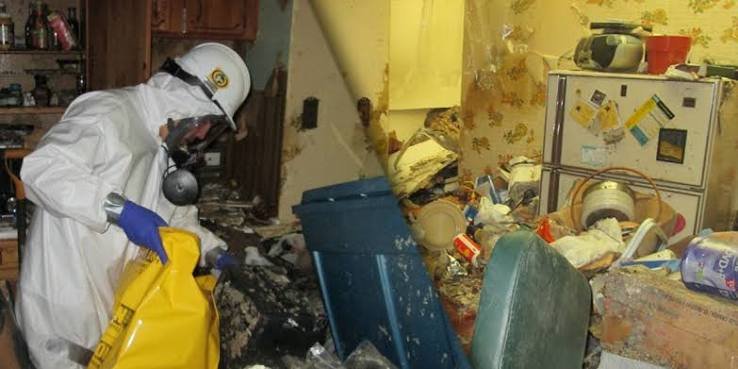
Some properties experience severe sanitation problems caused by accumulated waste, animal waste, decaying materials, or prolonged neglect. When biological hazards are present, specialized cleanup may be necessary to restore a healthier indoor environment.
Why Professional Biohazard Cleanup Matters
Attempting to handle a biohazard incident without suitable training can expose individuals to unnecessary risks. Ordinary cleaning products and household equipment may not be sufficient for situations involving potentially infectious materials.
Professional cleanup teams understand how to evaluate hazards, choose appropriate protective equipment, and apply suitable cleaning and decontamination methods. Their work is organized around reducing exposure risks and preventing contamination from spreading into unaffected areas.
Another important benefit is proper waste management. Contaminated materials may be subject to specific handling, packaging, transportation, and disposal requirements. Professional providers understand the importance of following applicable regulations instead of treating every material as ordinary household waste.
Hiring experienced technicians can also reduce uncertainty for property owners. Rather than managing a complicated and potentially distressing situation alone, clients receive a structured service designed to address the problem systematically.
The Main Steps in a Responsible Cleanup Process
A thorough biohazard cleanup service follows a planned process that considers safety, contamination, and the condition of the property.
Initial Assessment
The process generally begins with an assessment of the affected area. Technicians gather information about the incident, evaluate visible conditions, and determine the appropriate scope of work.
This assessment helps identify potential hazards, establish priorities, and determine whether additional specialists are needed. For example, extensive water damage may require restoration professionals alongside the cleanup team.
Safety Planning and Area Control
Before work begins, professionals establish suitable safety measures. Depending on the incident, access to affected areas may need to be restricted to protect occupants and other workers.
The cleanup team selects appropriate protective equipment and establishes procedures for handling potentially contaminated materials. Clear planning helps reduce avoidable exposure and supports a more organized operation.
Cleaning and Decontamination
Technicians use suitable methods and products to remove contamination from affected surfaces and materials. The procedures depend on the nature of the hazard, the materials involved, and relevant professional standards.
Cleaning and disinfection are not identical. Cleaning removes visible soil and other unwanted material, while disinfection uses appropriate products and procedures to address microorganisms on suitable surfaces. Both may be necessary, depending on the circumstances.
Waste Handling and Disposal
Contaminated materials must be managed responsibly. Professional providers identify waste requiring specialized handling and arrange disposal through appropriate channels in accordance with applicable local regulations.
Responsible waste management protects cleanup workers, waste handlers, property occupants, and the wider community.
Final Inspection
Once the work is complete, the provider reviews the treated area to determine whether the agreed scope of work has been addressed. Additional checks may be appropriate depending on the type and severity of contamination.
Documentation of the work can also help property owners maintain records for insurance claims, property management, or restoration planning.
Essential Qualities of a Reliable Biohazard Cleanup Company
Choosing a qualified provider is an important part of managing a biohazard incident successfully. Not all cleaning companies have the training or resources required for specialized biological decontamination.
First, look for relevant training and experience. A reputable company should understand the hazards associated with the requested service and be able to explain its safety procedures clearly.
Second, ask about protective equipment, cleaning methods, and waste disposal practices. A professional provider should be transparent about how it manages contamination and follows applicable regulations.
Third, consider communication and professionalism. Biohazard incidents may involve private homes, sensitive personal circumstances, or business disruptions. Technicians should communicate respectfully, protect client confidentiality, and explain the expected process.
Insurance coverage, written estimates, service documentation, and clearly defined work agreements are also useful considerations. Property owners should understand what the service includes and whether repairs, reconstruction, or additional restoration work will require separate arrangements.
The Importance of Compassion and Privacy
Biohazard cleanup is not simply a technical task. It may take place during periods of grief, stress, uncertainty, or disruption. Families dealing with an unattended death or property owners responding to a serious incident may already be experiencing considerable emotional pressure.
A responsible cleanup company recognizes these circumstances and treats clients with dignity. Discreet communication, careful handling of personal belongings, and respect for privacy can make the process more manageable.
Professional teams should explain practical requirements without making unrealistic promises or placing unnecessary pressure on clients. This combination of technical competence and compassionate service is an important feature of responsible biohazard cleanup.
How Biohazard Cleanup Supports Property Restoration
Biohazard cleanup often forms one part of a broader property restoration process. Once contamination has been addressed, additional work may be needed to repair damaged flooring, replace affected building materials, eliminate persistent odors, or restore normal use of the space.
Coordination between cleanup specialists, restoration contractors, property managers, and insurance representatives can help streamline the process. However, the scope of restoration depends on the incident and the condition of the building.
Prompt professional assessment may also help property owners identify problems before they become more extensive. Taking appropriate action can reduce disruption, support safer occupancy decisions, and provide a clearer path toward restoring the property.
Conclusion
A professional bio hazard cleanup service plays an important role in managing biological contamination safely, responsibly, and efficiently. From blood contamination and unattended deaths to sewage incidents and severely unsanitary properties, these specialized services help address hazards that ordinary cleaning methods may not adequately manage.
By combining proper assessment, appropriate protective equipment, effective cleaning procedures, responsible waste disposal, and careful final inspection, qualified professionals help protect people and support property recovery.
When selecting a biohazard cleanup company, property owners should prioritize relevant training, transparent procedures, regulatory compliance, and compassionate customer service. Making an informed choice helps ensure that the cleanup process is handled with care, professionalism, and respect for everyone involved.