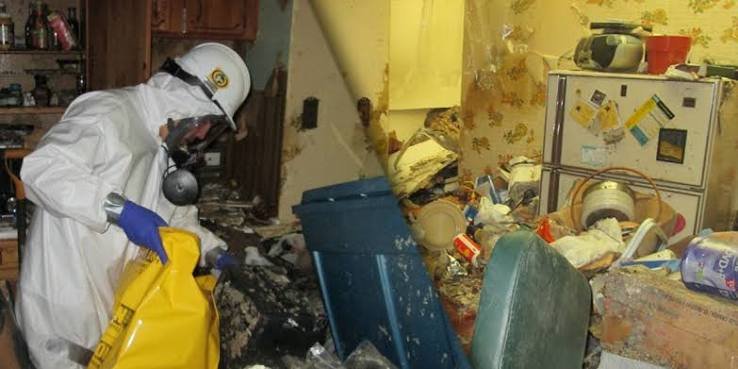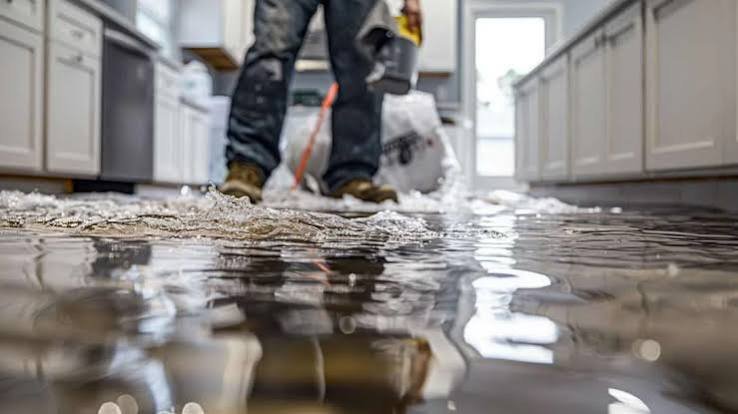
Water damage can happen unexpectedly and create serious problems for homeowners and business owners. Whether caused by a burst pipe, leaking appliance, heavy rainfall, flooding, or plumbing failure, excess water mitigation service water can quickly damage floors, walls, furniture, and personal belongings. If the problem is not addressed promptly, it can also lead to mold growth, unpleasant odors, and structural deterioration. Choosing the right water mitigation service is essential for minimizing damage and restoring a property safely and efficiently.
Professional water mitigation companies have the equipment, experience, and knowledge needed to identify water damage, remove excess moisture, and prevent further complications. However, not every service provider offers the same level of expertise or customer support. Understanding what to look for can help property owners make informed decisions during stressful situations.
Understanding the Importance of Water Mitigation Services
Water mitigation refers to the process of reducing and preventing additional damage after a property has been affected by water. Unlike general cleaning, professional mitigation involves identifying the source of the problem, extracting standing water, drying affected materials, and addressing potential moisture-related risks.
Quick action is important because water can spread through building materials within a short period. Carpets, drywall, wooden flooring, insulation, and furniture can absorb moisture, making restoration more complicated.
A reliable water mitigation service helps property owners by:
- Removing standing water using professional extraction equipment.
- Identifying hidden moisture behind walls and beneath flooring.
- Drying affected areas with commercial-grade air movers and dehumidifiers.
- Reducing the risk of mold development.
- Assessing damaged materials and recommending appropriate restoration.
- Helping prevent additional structural problems.
Hiring experienced professionals early can make the recovery process more manageable and potentially reduce repair expenses.
1. Look for Experience and Professional Expertise
One of the first things to consider when selecting a water mitigation company is its experience. Water damage situations can vary significantly, and each requires an appropriate approach. A minor plumbing leak may need a different solution than extensive flooding caused by a severe storm.
Experienced technicians understand how water behaves in different building materials and know which drying methods are appropriate for specific situations. They can also recognize warning signs of hidden moisture that may not be visible during an initial inspection.
Before choosing a provider, ask how long the company has been operating and whether its technicians have experience handling similar water damage situations. Professional training and industry-recognized certifications can also indicate a commitment to maintaining service standards.
2. Choose a Company That Offers Emergency Assistance
Water damage rarely happens at a convenient time. A burst pipe in the middle of the night or unexpected flooding during a weekend can quickly become a serious problem.
For this reason, it is important to choose a water mitigation service that provides emergency assistance. Companies offering 24-hour availability can respond quickly, assess the situation, and begin necessary mitigation work before the damage becomes more extensive.
When evaluating emergency services, consider the following:
- Does the company offer 24/7 emergency response?
- How quickly can technicians arrive?
- Does it have sufficient equipment for urgent situations?
- Can it handle residential and commercial properties?
- Does it provide clear instructions before the restoration team arrives?
A prompt response can help reduce the amount of water absorbed by building materials and limit the overall impact on the property.
3. Verify Licensing, Insurance, and Certifications
Professional qualifications are important when allowing a restoration company to work inside your home or business. Property owners should verify whether a service provider meets applicable local licensing and insurance requirements.
Insurance coverage can help protect both the customer and the company if unexpected problems occur during the restoration process. It is also worth checking whether technicians have received specialized training in water damage restoration and moisture management.
Certifications from recognized industry organizations, such as the Institute of Inspection, Cleaning and Restoration Certification (IICRC), can demonstrate that technicians have completed relevant professional training.
Do not hesitate to request documentation before agreeing to major restoration work. A reputable company should be comfortable explaining its qualifications and providing relevant information.
4. Evaluate the Equipment and Restoration Techniques
Effective water mitigation requires more than basic cleaning tools. Professional companies use specialized equipment to extract water, identify moisture, and dry affected areas thoroughly.
Some commonly used tools include:
Industrial Water Extractors: These machines remove standing water from carpets, floors, and other affected surfaces.
Air Movers: High-powered air movers improve air circulation and help moisture evaporate from wet materials.
Commercial Dehumidifiers: These devices remove excess humidity from indoor environments and support the drying process.
Moisture Meters: Technicians use these instruments to measure moisture levels in different building materials.
Thermal Imaging Cameras: These cameras can help identify temperature differences associated with hidden moisture behind certain surfaces.
When comparing companies, ask what equipment they use and how they determine whether a property is completely dry. Professional monitoring is important because surfaces may appear dry while moisture remains trapped underneath.
5. Compare Pricing and Understand the Service Agreement
Cost is another important factor when selecting a water mitigation provider. However, choosing the cheapest company is not always the best decision. Incomplete drying or poor restoration practices can create additional problems that may cost more to correct later.
Request a written estimate that explains the expected work, equipment requirements, labor charges, and any additional fees. A professional company should clearly explain which services are included in its proposal.
Pay attention to whether the estimate covers:
- Initial property inspection.
- Water extraction and removal.
- Structural drying and dehumidification.
- Moisture monitoring.
- Cleaning and sanitization, when appropriate.
- Additional restoration or repair recommendations.
It is also helpful to ask whether the company works with insurance providers. Some water mitigation businesses assist customers with documenting damage and preparing information for insurance claims.
Always review the service agreement carefully before signing. Clear pricing and transparent communication can help prevent misunderstandings throughout the recovery process.
6. Check Customer Reviews and Reputation
A company’s reputation can provide valuable insight into its reliability and service quality. Reading online reviews allows property owners to understand how previous customers experienced the restoration process.
Look for feedback about response times, professionalism, communication, equipment quality, and the effectiveness of completed work.
Instead of focusing only on positive ratings, read both positive and negative reviews. Pay attention to repeated complaints involving delayed responses, unexpected charges, incomplete drying, or poor customer support.
You can also request references from previous customers who experienced similar water damage problems.
A trustworthy service provider should have a history of treating customers fairly, explaining the restoration process, and addressing concerns professionally.
7. Prioritize Clear Communication and Customer Support
Water damage can be stressful, especially when it affects valuable belongings or interrupts everyday activities. Working with a company that communicates clearly can make the recovery process easier.
Professional technicians should explain what caused the damage, which areas are affected, and what steps are necessary to restore the property. They should also provide realistic expectations about drying times, repair requirements, and potential challenges.
Good communication includes regular progress updates, clear answers to questions, and proper documentation of the work being completed.
Avoid companies that make unrealistic promises or pressure customers into purchasing unnecessary services. A dependable provider will focus on explaining available solutions and helping property owners make informed decisions.
8. Understand the Difference Between Mitigation and Restoration
Although water mitigation and water restoration are closely related, they serve different purposes.
Mitigation focuses on preventing further damage by removing water, controlling moisture, and stabilizing affected areas. Restoration focuses on repairing or replacing damaged materials and returning the property to its previous condition.
For example, mitigation may involve extracting water from a flooded living room, drying the carpet, and removing severely damaged drywall. Restoration may involve installing new drywall, replacing flooring, repainting walls, and repairing other affected areas.
Some companies offer both services, while others specialize in mitigation alone. Understanding this distinction can help you determine whether a provider can manage the entire recovery process or whether additional contractors will be required.
9. Ask About Mold Prevention and Moisture Monitoring
One of the most important concerns following water damage is the possibility of mold growth. Mold can develop when moisture remains in suitable conditions, particularly in areas with limited ventilation.
A professional mitigation company should understand how to identify moisture problems and recommend appropriate preventive measures.
Ask whether the company performs moisture monitoring during the drying process and checks affected materials before completing the job. If mold is already present, specialized assessment and remediation may be necessary.
Proper drying, suitable ventilation, and attention to hidden moisture can help reduce the likelihood of future problems.
Conclusion
Choosing the right water mitigation service is an important step toward protecting your property and achieving a successful recovery after water damage. From professional experience and emergency availability to specialized equipment, transparent pricing, and customer reviews, several factors should influence your decision.
The most reliable providers focus on responding quickly, identifying the full extent of the damage, removing excess moisture, and preventing further complications. They also communicate clearly and explain the work required at every stage.
Rather than selecting a company based only on price, take time to evaluate its qualifications, reputation, services, and restoration methods. Making an informed choice can help minimize property damage, reduce unnecessary expenses, and restore a safe and comfortable environment as efficiently as possible.