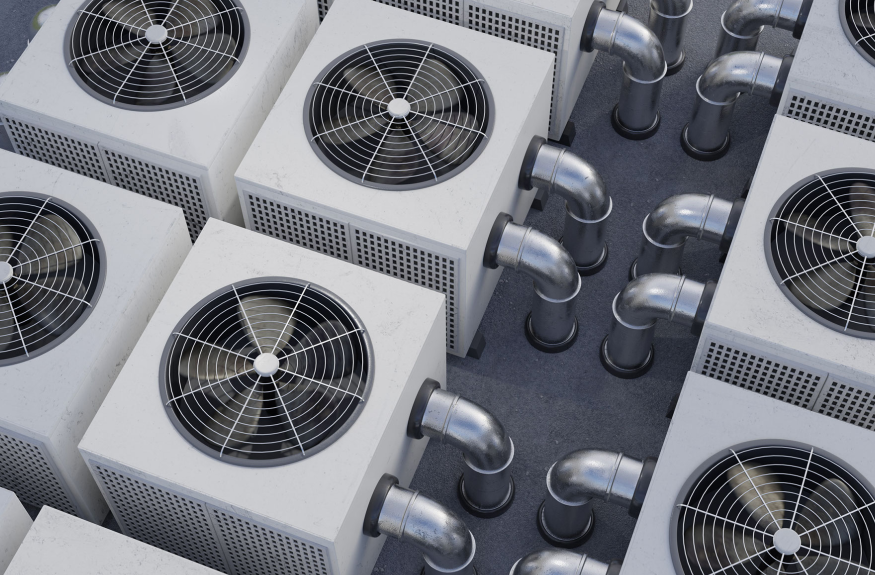
Commercial HVAC systems play a critical role in maintaining a comfortable and efficient environment in businesses, offices, and industrial facilities. These systems regulate heating, ventilation, and air conditioning, ensuring optimal indoor air quality and temperature control. Whether you’re designing a new system or upgrading an existing one, understanding the key components and best practices can significantly impact performance and cost-effectiveness. Here are essential insights into commercial HVAC systems to help you maximize efficiency and comfort.
1. Understand the Components of a Commercial HVAC System
Commercial HVAC systems are composed of several interconnected components, including:
- Heating Units: Boilers, furnaces, or heat pumps provide warmth during colder months.
- Ventilation Systems: These ensure proper airflow, remove contaminants, and regulate humidity.
- Cooling Units: Air conditioners or chillers maintain comfortable temperatures during warmer seasons.
- Thermostats and Controls: Advanced systems use programmable or smart thermostats for precise temperature regulation.
Recognizing how these components work together is essential for troubleshooting and maintaining system efficiency.
2. Prioritize Regular Maintenance
Routine maintenance is vital for keeping your commercial HVAC system running smoothly. Schedule regular inspections to:
- Clean or replace air filters.
- Inspect ductwork for leaks or blockages.
- Check refrigerant levels and address any imbalances.
- Test thermostats and control systems for accuracy.
Proactive maintenance not only extends the life of your equipment but also reduces energy consumption and prevents costly breakdowns.
3. Invest in Energy-Efficient Upgrades
Modernizing your HVAC system with energy-efficient technology can significantly lower operational costs. Consider options like:
- High-Efficiency Units: Look for systems with ENERGY STAR® certification.
- Variable Speed Technology: Adjusts the speed of fans and compressors to meet current needs, reducing energy waste.
- Zoning Systems: Allows for independent temperature control in different areas of a building.
These upgrades not only save money but also contribute to a greener, more sustainable operation.
4. Optimize Building Insulation
Effective insulation is a key factor in HVAC efficiency. Poorly insulated buildings lose heat in the winter and gain heat in the summer, forcing HVAC systems to work harder. Ensure that walls, roofs, and windows are adequately insulated to:
- Reduce energy loss.
- Maintain consistent indoor temperatures.
- Lower overall energy bills.
5. Use Smart HVAC Controls
Advanced HVAC controls and automation systems allow for precise management of temperature, humidity, and airflow. Features to consider include:
- Remote Monitoring: Manage your HVAC system from anywhere using mobile apps or web interfaces.
- Predictive Maintenance Alerts: Receive notifications about potential issues before they escalate.
- Energy Usage Analytics: Monitor consumption patterns to identify areas for improvement.
Smart technology not only improves comfort but also enhances operational efficiency.
6. Focus on Indoor Air Quality (IAQ)
Good indoor air quality is essential for occupant health and productivity. Enhance IAQ by:
- Installing air purifiers or UV light systems to eliminate bacteria and allergens.
- Ensuring proper ventilation to dilute indoor pollutants.
- Monitoring humidity levels to prevent mold growth and maintain comfort.
A focus on IAQ can improve employee satisfaction and reduce health-related absences.
7. Plan for Seasonal Adjustments
Seasonal changes require adjustments to your HVAC system. Prepare for transitions by:
- Scheduling seasonal tune-ups.
- Adjusting thermostat settings for optimal energy use.
- Inspecting and sealing ducts to accommodate temperature fluctuations.
These steps help maintain consistent performance year-round.
Final Thoughts
Commercial HVAC systems are a cornerstone of any functional business environment. By prioritizing regular maintenance, investing in energy-efficient technologies, and focusing on indoor air quality, you can maximize both comfort and efficiency. A well-maintained HVAC system not only enhances the well-being of occupants but also contributes to long-term cost savings and sustainability. For businesses looking to upgrade or optimize their systems, working with experienced HVAC professionals can make all the difference.