Flooding is one of the most destructive natural disasters a homeowner or business owner can experience. Whether caused by heavy rainfall, river overflow, storm surges, or severe plumbing failures, floodwater leaves behind an overwhelming wake of damage. Beyond the visible standing water and ruined personal items, floods introduce hidden health hazards, structural instabilities, and long-term risks like toxic mold growth. Trying to navigate the aftermath alone can quickly become dangerous and ineffective. Utilizing professional flood cleanup services is essential for ensuring a safe, efficient, and complete recovery.
The Immediate Hazards of Floodwaters
When floodwaters breach a building, they bring more than just excess moisture; they introduce complex physical and biological hazards. Understanding these initial risks highlights why professional intervention is necessary from the very start.
Biohazard and Contamination Risks
Floodwater is rarely clean. In property restoration, floodwaters are typically categorized into three types: clean water, gray water, and black water. Most natural flooding falls under black water, meaning it contains harmful pathogens, raw sewage, chemical runoff, heavy metals, and bacteria such as E. coli and Salmonella. Direct contact with or inhalation of fumes from contaminated floodwater can lead to severe gastrointestinal illnesses, skin infections, and respiratory distress.
Electrical and Fire Safety Issues
Standing water combined with submerged electrical outlets, appliances, and wiring creates an extremely hazardous environment. Submerged electrical systems can cause deadly electrical shocks or spark fires even after water levels recede. Trained technicians understand how to evaluate safety hazards before entering a property, ensuring that power sources are properly isolated before any extraction begins.
Hidden Structural Damage
Water adds immense weight and weakens building materials. Saturated drywall, insulation, flooring, and structural framing can lose their structural integrity rapidly. Navigating a flooded building without professional assessment puts individuals at risk of collapsing ceilings, buckled floors, and compromised load-bearing walls.
Why DIY Cleanup Falls Short
Many property owners attempt to tackle flood damage using household shop-vacs, towels, and consumer fans. While well-intentioned, do-it-yourself efforts often leave behind critical issues that surface weeks or months later.
Incomplete Moisture Removal
Water penetrates deep into porous materials such as subflooring, drywall, wooden studs, and concrete foundations. While surface areas may look dry after a few days, trapped moisture remains deep within wall cavities and beneath floor coverings. Standard household equipment simply lacks the power to extract deep-seated moisture.
High Risk of Mold and Bacteria Growth
Mold spores thrive in dark, damp environments and can begin colonizing within 24 to 48 hours of water exposure. DIY methods rarely achieve the low humidity levels required to halt mold proliferation. Once mold takes root inside walls and heating or cooling ducts, remediating it becomes significantly more difficult and costly.
Delayed Recovery and Increased Costs
Inadequate drying often leads to secondary damage, including rotting wood, warped structures, and persistent foul odors. Fixing secondary damage usually costs far more than investing in comprehensive flood cleanup services right from the start.
Comprehensive Process of Professional Flood Cleanup Services
Certified restoration specialists follow a structured, multi-step process designed to safely mitigate damage, restore structural stability, and return the property to a healthy living condition.
Initial Inspection and Risk Assessment
Upon arrival, professionals conduct a thorough assessment using specialized diagnostic tools. Moisture meters and thermal imaging cameras allow technicians to trace the exact scope of water migration, identifying hidden pockets of water behind walls and under floors without destructive tearing.
Powerful Water Extraction
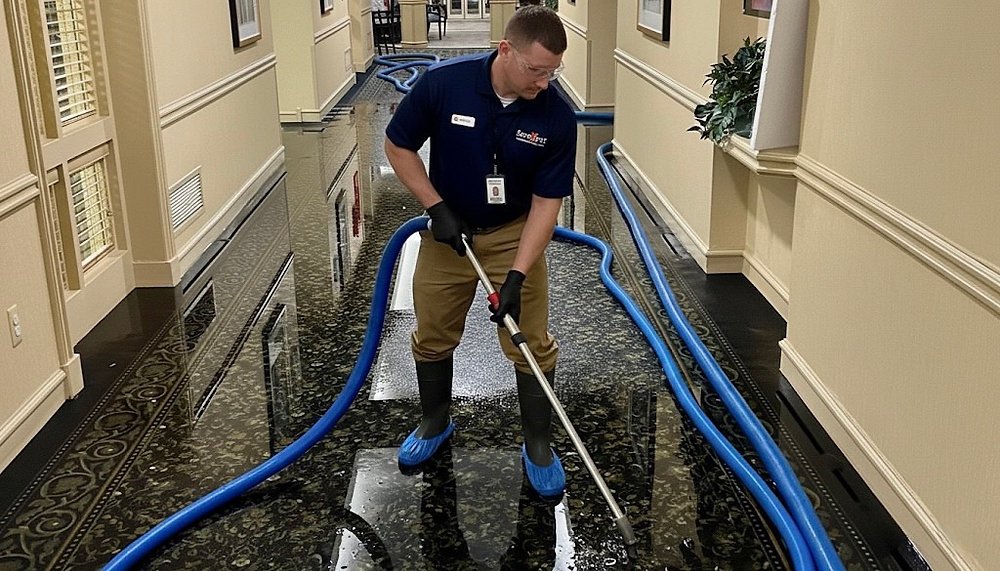
Removing standing water quickly is the highest priority to prevent further absorption into structural materials. Industrial flood cleanup services utilize truck-mounted extraction pumps and commercial-grade submersible units capable of removing thousands of gallons of water per hour. Rapid extraction dramatically reduces overall drying time.
Structural Drying and Humidity Control
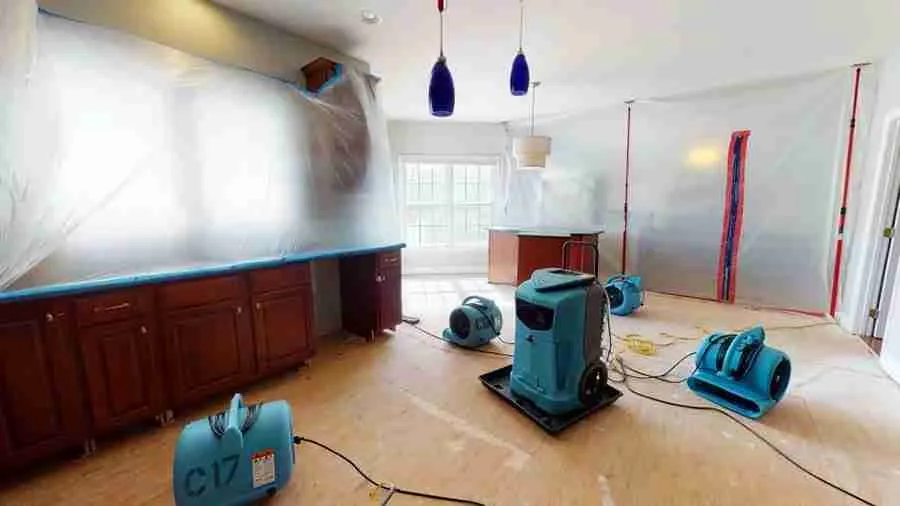
Once standing water is removed, the dehumidification process begins. Restoration teams deploy heavy-duty air movers and commercial LGR (Low Grain Refrigerant) or desiccant dehumidifiers. These units circulate vast volumes of air and strip moisture from the environment, pulling deeply embedded dampness out of structural elements.
Sanitization, Disinfection, and Odor Removal
Because floodwaters carry contaminants, every affected surface must be thoroughly cleaned and sanitized. Specialists apply EPA-registered antimicrobial treatments, disinfectants, and fungicides to eliminate pathogens and stop mold growth. To tackle stubborn, lingering odors, technicians use advanced technology such as hydroxyl generators or ozone machines, which break down odor-causing molecules at a microscopic level.
Restoration and Structural Repair
The final stage involves repairing and restoring damaged areas. This can range from minor repairs like replacing drywall panels and installing new flooring to major structural reconstruction. Professional services ensure the property is fully restored to its pre-flood condition.
Long-Term Benefits of Hiring Certified Experts
Enlisting professional assistance during a crisis provides long-term advantages that extend far beyond immediate water removal.
Preserving Property Value
Unchecked water damage leads to permanent structural compromise and severe devaluation of real estate. Prompt, professional restoration preserves the structural integrity of the building, protecting your financial investment.
Safeguarding Indoor Air Quality
Mold infestation severely degrades indoor air quality, posing serious health risks to residents—especially children, the elderly, and individuals with asthma or compromised immune systems. Comprehensive drying and sanitization ensure that indoor air remains safe and clean.
Streamlining Insurance Claims
Navigating property insurance claims can be stressful and complex. Professional cleanup companies document the damage extensively using detailed photos, moisture readings, and itemized inventories. This thorough documentation helps property owners submit accurate claims and expedite the reimbursement process.
Choosing the Right Restoration Partner
When selecting a restoration company, prompt response times and proper certifications are essential factors to consider.
Fast Emergency Response Times
Water damage progresses exponentially over time. A reliable provider should offer 24/7 emergency response services to contain damage immediately and begin the extraction process without delay.
Certified and Experienced Technicians
Look for companies certified by recognized industry bodies, such as the Institute of Inspection, Cleaning and Restoration Certification (IICRC). Certified technicians strictly follow established industry standards for water removal, drying, and mold remediation.
Conclusion
Recovering from a severe flood is a challenging experience, but you do not have to handle it alone. While it may be tempting to minimize costs with a do-it-yourself approach, hidden water and biological contaminants pose serious threats to both health and property value. Engaging expert flood cleanup services guarantees that every trace of moisture, contamination, and hazard is thoroughly addressed. By relying on specialized equipment, proven protocols, and certified experts, property owners can achieve a truly safe, comprehensive, and lasting recovery.