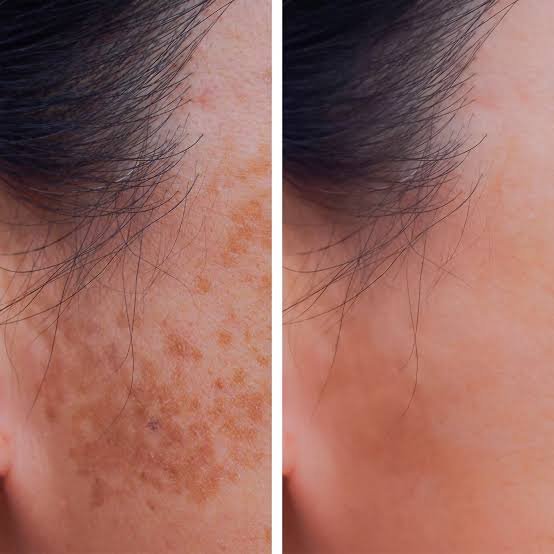
Dealing with stubborn dark spots, sun damage, or melasma can feel like an endless uphill battle. While countless topical serums and chemical peels promise a clearer complexion, many people eventually turn to more advanced solutions to accelerate their skin transformation. Among the most effective clinical options available today are Laser Treatments for Hyperpigmentation, which target excess melanin deep within the skin layers to restore a balanced, glowing tone.
However, one of the most common questions patients ask before booking their first appointment is: how many sessions will I actually need? The short answer is that it varies. Most individuals require anywhere from three to six sessions, but there is no universal number. Because every skin type, pigment depth, and condition is entirely unique, your treatment roadmap will depend on a variety of biological and technological factors.
Understanding Hyperpigmentation and How Lasers Work
Before exploring session counts, it helps to understand what causes hyperpigmentation and how advanced skin technology addresses it. Hyperpigmentation occurs when the body produces an excess of melanin, the natural pigment that gives color to our skin, hair, and eyes. This overproduction can be triggered by UV sun exposure, hormonal fluctuations (such as melasma during pregnancy or from birth control), acne inflammation, or physical trauma to the skin, which results in post-inflammatory hyperpigmentation.
Lasers combat this excess pigment by delivering concentrated beams of light energy directly to the pigmented cells. The melanin absorbs this specific light energy, which shatters the pigment particles into microscopic fragments. Over the course of the following days and weeks, your body’s natural immune system flushes out these shattered fragments, or the pigment rises to the surface as micro-crusts and flakes away, revealing clearer skin underneath.
The Average Number of Sessions Needed
For most standard cases of sun spots or mild age spots, dermatologists and licensed aestheticians generally recommend a series of three to six treatment sessions. If you are dealing with superficial, light sun damage, you might notice a dramatic improvement after just one or two visits.
However, deeper or more chronic forms of discoloration—such as long-standing melasma or deep-seated post-inflammatory hyperpigmentation from severe acne—will almost always require a full course of multiple sessions. Spacing these appointments out is essential. Practitioners typically schedule sessions four to six weeks apart to give the skin adequate time to heal, shed dead cells, and regenerate healthy tissue between rounds.
Key Factors Influencing the Number of Laser Sessions
Several clinical and lifestyle variables determine your exact session requirements. Understanding these elements can help you set realistic expectations before starting your journey.
Depth and Severity of Pigmentation
The depth of the melanin deposit is the single most important factor. Pigmentation that sits strictly in the epidermis (the outermost layer of the skin) is relatively easy to lift and usually responds quickly to laser treatments for hyperpigmentation. Conversely, dermal pigmentation—where melanin has penetrated deeper into the second layer of the skin—is notoriously stubborn and requires multiple sessions to safely break down without damaging surrounding tissue.
Type of Laser Technology Used
Not all skin lasers are created equal. The specific device your practitioner selects will heavily influence how quickly you see results. Advanced technologies like picosecond lasers deliver ultra-short pulses of energy that shatter pigment with incredible precision, often requiring fewer sessions than older Q-switched or traditional thermal lasers. Your skin professional will choose the right wavelength and device based on your specific pigment type.
Skin Type and Tone on the Fitzpatrick Scale
Your baseline skin tone plays a crucial role in determining both the type of laser used and the aggressiveness of the settings. Individuals with darker skin tones (higher on the Fitzpatrick scale) are more prone to post-inflammatory hyperpigmentation if a laser is too aggressive. To protect darker skin types, practitioners often use lower-energy settings spread across a higher number of gentler sessions to avoid triggering a rebound effect where the skin darkens in response to the treatment trauma.
Aftercare and Lifestyle Habits
How you treat your skin outside of the clinic directly impacts how many sessions you will need. If you undergo laser therapy to clear dark spots but continue to expose your face to intense UV rays without daily broad-spectrum sunscreen, new pigment will form faster than the laser can remove it. Strict adherence to post-treatment guidelines ensures that each session yields maximum results, preventing you from having to repeat treatments unnecessarily.
Types of Laser Treatments for Hyperpigmentation
Different devices tackle pigment in unique ways, impacting the timeline and number of sessions required.
Picosecond lasers are currently considered the gold standard for many pigment concerns. By utilizing rapid, picosecond-pulse technology, they shatter melanin particles with minimal thermal damage to the surrounding skin. Patients typically need fewer sessions with picosecond technology compared to older devices.
Q-switched lasers are another reliable option, traditionally used for tattoo removal and stubborn sun spots. They deliver high-intensity pulses of light in nanoseconds. While effective, they may require a slightly higher session count depending on the density of the pigment.
Fractional resurfacing lasers create microscopic treatment zones in the skin, prompting the body to shed damaged pigmented cells while stimulating fresh collagen production. These are fantastic for patients who want to treat hyperpigmentation while simultaneously smoothing fine lines and improving overall skin texture.
What to Expect During and After a Treatment Session
Knowing what the process looks like can alleviate anxiety about committing to a multi-session plan. During a typical session, your skin will be thoroughly cleansed, and protective eyewear will be provided. Most patients describe the sensation of laser treatments for hyperpigmentation as feeling like a series of quick, warm rubber band snaps against the skin. Topical numbing creams can be applied beforehand for sensitive areas.
Immediately after the procedure, you can expect mild redness and a sensation similar to a mild sunburn. Over the next 24 to 48 hours, treated spots may temporarily darken—a sign that the melanin has been drawn to the surface. This darkened pigment will naturally flake off over the course of a week, leaving a clearer complexion behind.
Maximizing Results and Reducing Future Sessions
To get the most out of your investment and minimize the total number of sessions required, proactive maintenance is key. Sun protection is non-negotiable; you must wear a broad-spectrum sunscreen with an SPF of 30 or higher every single day, rain or shine, and reapply frequently when outdoors.
Incorporating dermatologist-recommended topical ingredients into your daily skincare routine can also enhance and prolong your results. Ingredients like vitamin C, kojic acid, azelaic acid, and retinoids help regulate melanin production and keep stubborn pigment at bay.
Conclusion
Embarking on a journey to clear, radiant skin requires patience, consistency, and professional guidance. While the exact number of sessions you will need depends on your unique skin profile, depth of pigment, and lifestyle habits, most individuals achieve their desired transformation within three to six carefully spaced visits. By partnering with a qualified dermatologist or licensed skincare professional, choosing the right technology, and diligently protecting your skin from the sun, you can successfully navigate laser treatments for hyperpigmentation and enjoy a luminous, even-toned complexion for years to come.