Water damage is one of the most challenging issues any homeowner or business can face. It can result from a burst pipe, appliance malfunction, natural flooding, or even minor leaks that go unnoticed. The consequences are often extensive, ranging from structural damage to compromised personal belongings, and in some cases, serious health risks. A crucial part of managing water damage effectively is understanding the type of water involved. Water is classified into three categories—Category 1, Category 2, and Category 3—each with unique characteristics, contamination levels, and required restoration approaches. Water Damage Restoration professionals use these classifications to develop safe, efficient, and effective cleanup strategies.
Understanding Category 1 Water
Category 1 water, also known as “clean water,” originates from a sanitary source and poses little to no immediate health risk. Typical sources include broken water supply lines, leaking faucets, or melting ice. Because this water is free from harmful contaminants, it is generally safe to handle without protective equipment. However, if not addressed promptly, Category 1 water can degrade into Category 2 or Category 3, increasing health risks and complicating restoration efforts.
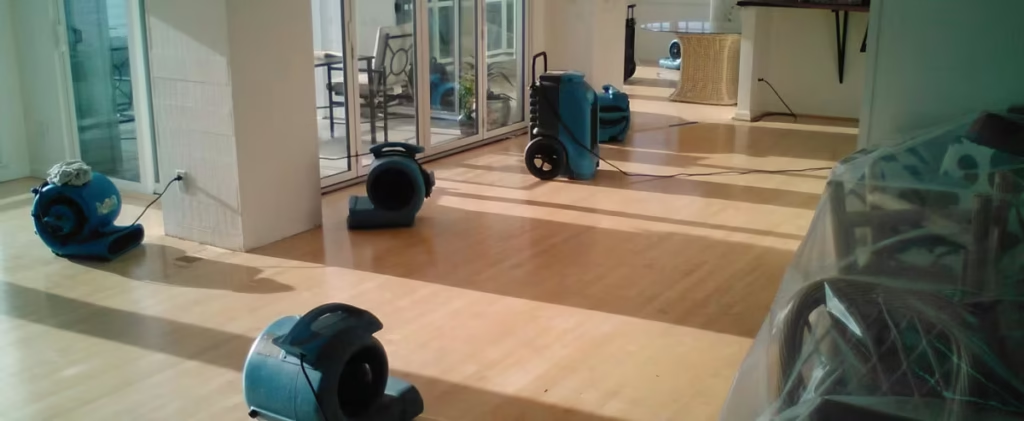
Water Damage Restoration for Category 1 incidents focuses on rapid water removal and thorough drying. Professionals often use high-capacity pumps, wet/dry vacuums, and air movers to remove standing water, followed by dehumidifiers to eliminate residual moisture in walls, floors, and furniture. Quick action helps prevent mold growth and structural deterioration. Property owners can support the process by turning off water sources, moving valuables to dry areas, and avoiding contact with wet surfaces until professionals arrive.
Understanding Category 2 Water
Category 2 water, commonly called “gray water,” contains contaminants that may cause illness or discomfort with prolonged exposure. Gray water typically comes from sources like washing machines, dishwashers, toilet overflows without fecal matter, or water that has collected dirt from minor flooding. While not immediately life-threatening, Category 2 water can cause significant health issues if mishandled.
Restoration of Category 2 water requires additional caution compared to clean water. Water Damage Restoration specialists use protective gear such as gloves, masks, and sometimes coveralls to prevent direct contact with contaminants. Thorough cleaning and disinfection are essential, and some materials—like carpet padding, insulation, or drywall—may need removal to eliminate hidden bacteria. Fast intervention is vital because gray water can evolve into Category 3 water if bacteria multiply over time, creating serious health hazards.
Understanding Category 3 Water
Category 3 water, or “black water,” is the most hazardous type. It contains significant contaminants, including bacteria, viruses, chemicals, and other harmful substances. Sources of black water include sewage backups, flooding from rivers or streams, and standing water contaminated by soil or waste. Direct exposure to Category 3 water can result in severe illness, making professional handling mandatory.
Water Damage Restoration for Category 3 water is a highly specialized process. Technicians wear full protective gear, including respirators, gloves, and waterproof suits. All affected porous materials, such as carpets, furniture, and drywall, are typically removed and discarded due to contamination. Surfaces that can be salvaged undergo rigorous cleaning with industrial-grade disinfectants and antimicrobial treatments. Proper ventilation and containment are crucial to prevent the spread of pathogens during the restoration process. The goal is not only to restore the property but also to ensure it is safe for occupants.
Key Differences in Restoration Approach
The water category significantly influences the restoration strategy. Category 1 incidents focus on rapid water removal and drying, often with minimal material removal. Category 2 restoration requires sanitation, careful removal of contaminated materials, and moisture monitoring to prevent mold growth. Category 3 restoration demands strict safety protocols, complete removal of contaminated materials, and thorough disinfection. Understanding the water category allows Water Damage Restoration professionals to tailor interventions effectively, ensuring the property is safe, clean, and structurally sound.
Preventing Escalation
Even clean water can become dangerous if not addressed quickly. Category 1 water can deteriorate into gray or black water within 24–48 hours if it comes into contact with organic materials or bacteria. Property owners should act immediately by shutting off water sources, removing valuable items, and contacting a Water Damage Restoration service. Rapid response helps prevent contamination, reduces repair costs, and protects health.
Health and Safety Considerations
Water damage poses both property and health risks. Category 2 and 3 water contain harmful microorganisms that can lead to respiratory issues, infections, skin irritation, and gastrointestinal problems. Even Category 1 water can indirectly create health concerns if it encourages mold growth or structural decay. Professionals use advanced detection tools to identify hidden moisture, employ protective equipment, and follow strict protocols to protect both themselves and occupants. Homeowners should avoid direct contact with contaminated water and follow professional guidance to ensure a safe restoration.
Advanced Tools and Techniques
Water Damage Restoration involves a variety of tools depending on the water type. For clean water, pumps, wet/dry vacuums, and air movers are common. Gray water incidents may require antimicrobial treatments, controlled demolition, and enhanced drying techniques. Black water restoration uses negative air pressure containment, HEPA filtration, and industrial disinfectants. Moisture meters and infrared cameras help detect hidden water, monitor drying progress, and prevent further damage.
Conclusion
Water damage can be overwhelming, but understanding the differences between Category 1, 2, and 3 water is essential for effective management. Clean water requires quick removal and drying, gray water calls for sanitation and selective material removal, and black water demands strict safety protocols and thorough disinfection. Water Damage Restoration professionals rely on these classifications to ensure proper handling, protect health, and restore property efficiently. Timely intervention, expert assessment, and careful execution are key to minimizing damage and creating a safe, restored environment for homeowners and businesses alike.