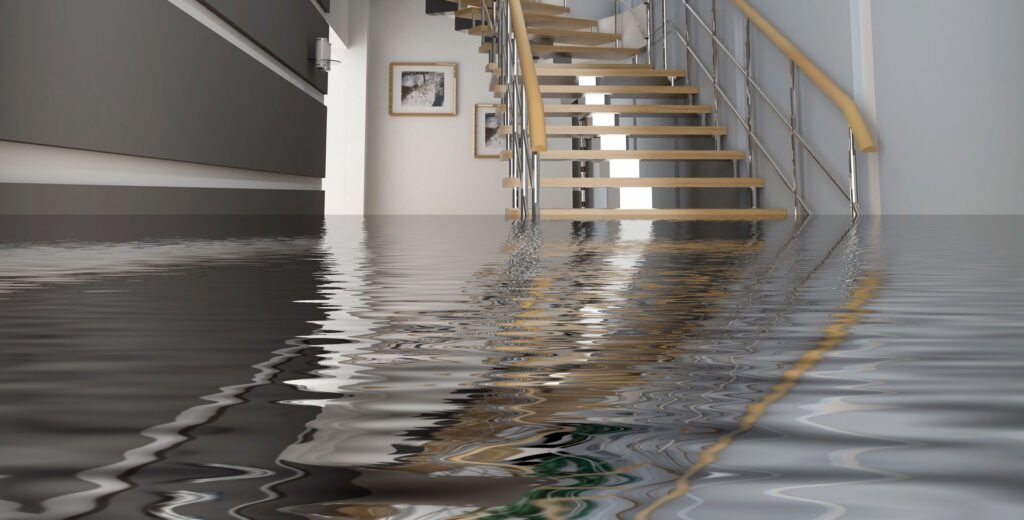
Water damage can strike at any time, whether from heavy rain, burst pipes, or flooding. The aftermath is often stressful, costly, and time-consuming. Water damage restoration is a critical process that helps prevent further structural damage, mold growth, and long-term issues. However, many homeowners make mistakes that complicate or prolong recovery. Understanding these common pitfalls can save you money, time, and stress during restoration.
Ignoring the Problem Early
One of the most frequent mistakes in water damage restoration is delaying action. Water spreads quickly, seeping into floors, walls, and furniture. Even small leaks can cause extensive hidden damage. Waiting too long allows mold to develop, weakens structural integrity, and increases overall repair costs. The key is to act immediately, assess the damage, and begin the restoration process without delay.
Attempting DIY Restoration
Many homeowners assume they can handle water damage restoration themselves. While minor spills or leaks might be manageable, professional water damage restoration involves specialized equipment, expertise, and techniques. Using household fans or heaters may seem effective but can trap moisture in walls or flooring, creating an ideal environment for mold. Certified restoration professionals have industrial-strength drying equipment, moisture meters, and knowledge of proper mitigation procedures to ensure the home is thoroughly dried and safe.
Overlooking Mold Prevention
Mold can begin growing within 24 to 48 hours after water exposure. A common mistake during water damage restoration is neglecting mold prevention. Mold not only damages surfaces but can also impact health, causing respiratory issues, allergies, and other complications. During restoration, it is essential to remove wet materials, use antimicrobial treatments, and maintain proper ventilation. Professional restoration services can detect hidden mold behind walls and under floors, preventing future problems.
Failing to Document Damage for Insurance
Another frequent error is not documenting water damage properly. Homeowners often assume insurance companies will trust their word, but detailed records are necessary to maximize coverage. Take photos of all affected areas, keep receipts for temporary repairs, and create a list of damaged items. Proper documentation ensures that your insurance claim supports the costs of professional water damage restoration, including repair and replacement expenses.
Using the Wrong Cleaning Products
Cleaning water-damaged areas with inappropriate products can worsen the situation. For example, using bleach on certain materials may damage finishes or fail to eliminate bacteria. Water damage restoration requires specific cleaners and disinfectants tailored to the type of water (clean, gray, or black) and the surfaces involved. Professional restoration technicians are trained to choose the correct chemicals and methods for effective, safe cleaning.
Ignoring Structural Damage
Water can compromise the foundation, walls, and floors of your home, sometimes in ways that aren’t immediately visible. A mistake homeowners make is focusing only on visible water damage while ignoring potential structural issues. Professional water damage restoration includes thorough inspections to identify weakened areas, assess the safety of the building, and recommend necessary repairs to prevent collapse or further deterioration.
Not Checking Electrical Systems
Water and electricity are a dangerous combination. Homeowners often fail to consider the impact of water on electrical wiring, outlets, and appliances. Ignoring this can pose serious hazards, including fire and electrocution. During water damage restoration, qualified professionals check and, if necessary, repair or replace electrical systems to ensure your home is safe for use again.
Neglecting the HVAC System
Flooded or water-damaged areas can also affect HVAC systems. Moisture in ducts or vents can lead to mold growth and compromise air quality throughout the home. Skipping this step is a mistake that can spread contamination and result in additional costs later. Water damage restoration professionals inspect and clean HVAC systems to ensure they remain safe and efficient after a flood or leak.
Attempting Partial Repairs
Partial fixes are common mistakes in water damage restoration. Homeowners may dry the floor or replace damaged carpet but overlook walls, subfloors, or hidden cavities. This incomplete approach can lead to recurring issues, mold, and higher costs in the long term. Complete restoration involves addressing all affected areas, even those not immediately visible, to ensure a thorough and lasting recovery.
Choosing the Wrong Restoration Company
Finally, selecting an inexperienced or unlicensed restoration company can exacerbate problems. Not all services are created equal, and some may cut corners, leaving hidden moisture or failing to follow proper restoration protocols. It is crucial to hire certified water damage restoration professionals who use advanced techniques, understand building codes, and provide a comprehensive approach from assessment to final repair.
Final Thoughts
Water damage restoration is a complex process that requires timely action, expertise, and attention to detail. Avoiding common mistakes like delaying repairs, attempting DIY solutions, ignoring mold, or neglecting hidden damage can save you significant time, money, and stress. By engaging certified professionals and following proper restoration practices, homeowners can ensure their property is fully restored, safe, and protected against future issues. Prioritizing thorough water damage restoration not only safeguards your home but also your health and peace of mind.