Water damage is one of the most common and expensive problems homeowners can face. From minor leaks to severe flooding, water can compromise the structural integrity of a home, ruin personal belongings, and even pose serious health risks. The good news is that with proactive measures, you can significantly reduce the likelihood of water damage and avoid costly repairs. This article will guide you through practical strategies to protect your home.
Understanding Water Damage Risks
Water damage can occur in many ways. Leaks from pipes, appliances, roofs, and even foundation issues can gradually or suddenly cause serious problems. In addition, natural events such as heavy rain, storms, or flooding can exacerbate the risk. Recognizing the sources of potential water damage is the first step toward prevention.
Older homes are particularly susceptible because of aging plumbing and roofing materials. In contrast, new construction can still face water-related problems if proper waterproofing measures are not implemented. Environmental factors, such as living in flood-prone areas or regions with heavy rainfall, further increase the importance of preventive steps.
Regular Inspection of Plumbing Systems
One of the most effective ways to prevent water damage is regular inspection of your home’s plumbing. Pipes, faucets, and water heaters should be checked routinely for signs of leaks or corrosion. Even small leaks can escalate into significant water damage over time.
Consider installing water leak detectors in critical areas such as under sinks, behind toilets, and near appliances. These devices alert you immediately when a leak occurs, allowing for quick intervention before water spreads.
Maintain Your Roof and Gutters
Roofs and gutters play a crucial role in keeping water out of your home. Damaged shingles, missing tiles, or clogged gutters can allow water to seep into the roof or foundation, leading to costly repairs.
Inspect your roof at least twice a year and after major storms. Replace damaged shingles promptly and ensure flashing around chimneys and vents is secure. Cleaning gutters regularly prevents overflow and directs water away from your home’s foundation, minimizing the risk of basement flooding.
Waterproofing Basements and Crawl Spaces
Basements and crawl spaces are particularly vulnerable to water damage. Moisture can enter through cracks in walls or floors, leading to mold growth and structural issues. Applying a waterproof sealant to basement walls and floors can create a barrier against water intrusion.
Additionally, ensure that your basement has proper drainage systems, such as a sump pump. Sump pumps help remove excess water quickly, preventing pooling that can damage flooring, walls, and stored items.
Proper Landscaping and Drainage
Water damage is not always caused by internal issues. Poor landscaping and grading around your home can cause water to pool near the foundation, increasing the risk of seepage. Ensure that the land around your house slopes away from the foundation, directing rainwater toward drains or natural water runoff areas.
Installing French drains or other drainage solutions can further protect your home from water damage. Avoid planting large trees or shrubs too close to your foundation, as roots can cause cracks and facilitate water infiltration.
Appliance Maintenance
Household appliances such as washing machines, dishwashers, and refrigerators can be sources of water damage if not properly maintained. Inspect hoses and connections regularly for signs of wear or leaks. Replace old or brittle hoses to prevent unexpected bursts.
Additionally, ensure appliances are installed correctly with adequate drainage and ventilation. Regularly cleaning filters and ensuring water supply lines are secure reduces the risk of water-related mishaps.
Address Leaks Immediately
Even minor leaks can become major problems if left unaddressed. A dripping faucet, a leaking pipe, or a slow toilet leak may seem insignificant but can lead to mold, mildew, and structural issues over time. Make it a habit to address leaks promptly, either by repairing them yourself if feasible or hiring a professional plumber.
Water damage can also occur from roof leaks, especially during heavy rainfall. Regular inspection and maintenance, along with timely repairs, can prevent costly damage to ceilings, walls, and flooring.
Install Water-Resistant Materials
Using water-resistant materials in areas prone to moisture can minimize the impact of potential water damage. For example, installing vinyl or tile flooring in basements, bathrooms, and laundry rooms reduces the risk of damage compared to traditional wood or carpet. Similarly, moisture-resistant drywall and paint in these areas can help protect your home from leaks or spills.
Monitor Water Pressure
High water pressure can strain pipes and increase the likelihood of leaks or bursts. Installing a pressure regulator ensures that your plumbing system operates within a safe range. Regularly monitoring water pressure and adjusting as necessary helps prevent sudden pipe failures and subsequent water damage.
Plan for Emergencies
Despite the best preventive measures, water damage can still occur. Having an emergency plan in place reduces potential losses. Keep essential tools and materials, such as wet-dry vacuums, buckets, and waterproof tarps, ready for quick response. Additionally, familiarize yourself with shutting off the main water supply to stop flooding in the event of a major leak or burst pipe.
Insurance coverage is another crucial consideration. Review your homeowner’s insurance policy to ensure it covers water damage caused by leaks or flooding. Some policies require separate flood insurance, especially in high-risk areas.
Regular Home Maintenance
Consistent home maintenance is key to preventing water damage. Tasks such as sealing gaps around windows and doors, inspecting foundations for cracks, and keeping drainage systems clear all contribute to minimizing risk. Small preventive measures, repeated regularly, can save thousands of dollars in potential repair costs.
Recognize Signs of Water Damage Early
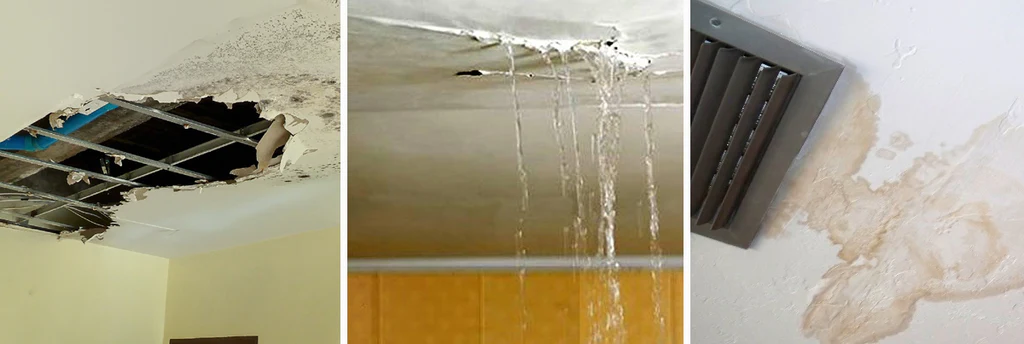
Early detection of water damage allows for quick action, minimizing structural harm and expense. Signs include water stains on walls or ceilings, peeling paint, warped flooring, a musty odor, or visible mold growth. Paying attention to these indicators can help you address problems before they escalate.
Conclusion
Preventing water damage requires diligence, planning, and routine maintenance. By inspecting plumbing systems, maintaining roofs and gutters, using water-resistant materials, and monitoring for early signs of leaks, homeowners can protect their properties and avoid costly repairs. A proactive approach not only preserves the integrity of your home but also ensures a safe and comfortable living environment. Investing time and resources into prevention today can save substantial expenses and stress in the future.
Water damage is often unpredictable, but with these strategies, you can significantly reduce the risk and safeguard your home for years to come.