Water contamination is a serious issue that poses health risks and environmental concerns. Water extraction companies play a critical role in addressing this problem by safely removing contaminated water and restoring safe conditions. From residential flooding to industrial spills, these companies employ specialized techniques, equipment, and protocols to ensure contaminated water is properly handled, treated, and disposed of.
Assessing the Extent of Contamination
Before any extraction begins, a water extraction company conducts a thorough assessment to determine the severity of contamination. This involves inspecting the affected area, identifying potential sources of pollutants, and classifying the type of water involved. Water contamination is generally divided into three categories: clean water, gray water, and black water. Clean water poses minimal risk, gray water contains moderate contaminants, and black water is highly hazardous, often containing pathogens and sewage. Understanding the water type is essential for determining the appropriate extraction and treatment methods.
Using Advanced Equipment for Safe Extraction
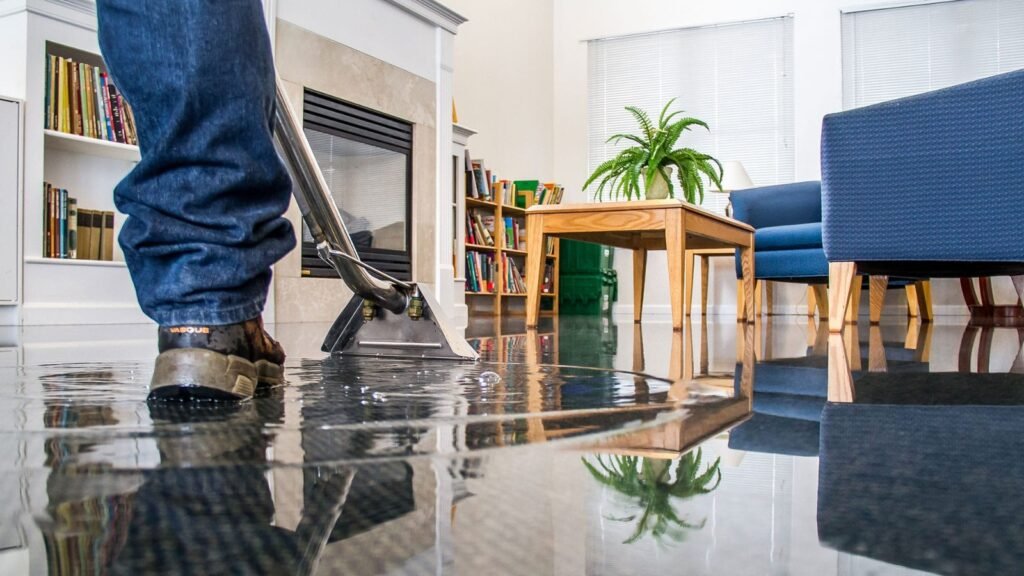
Once the assessment is complete, the extraction process begins. Water extraction companies use specialized equipment to remove water efficiently while minimizing further damage. High-capacity pumps, wet/dry vacuums, and submersible units are common tools used to remove large volumes of contaminated water. For areas with limited access, portable extraction units are deployed to ensure no contaminated water is left behind. These tools are designed to handle both standing water and water trapped in porous materials like carpets and drywall.
Containing and Preventing Cross-Contamination
A key priority for water extraction companies is preventing the spread of contaminants. During the extraction process, containment measures such as barriers, tarps, and negative air pressure systems are often employed. These measures help isolate contaminated water from clean areas, reducing the risk of cross-contamination. Staff also follow strict hygiene protocols, including wearing protective gear such as gloves, masks, and boots, to prevent exposure to harmful substances. Effective containment ensures that the affected area is safely managed and prevents health hazards for both workers and residents.
Drying and Dehumidification
After removing the bulk of the contaminated water, the affected area must be thoroughly dried to prevent mold growth and structural damage. Water extraction companies use industrial-grade dehumidifiers and air movers to remove moisture from walls, floors, and hidden spaces. Proper drying not only mitigates the risk of mold but also helps preserve the integrity of materials like wood and concrete. Continuous monitoring of moisture levels ensures that no damp areas remain, which could otherwise foster bacterial growth or compromise structural safety.
Cleaning and Sanitization
Contaminated water often leaves behind residues, bacteria, and chemical contaminants. To address this, water extraction companies carry out a rigorous cleaning and sanitization process. Surfaces are disinfected using EPA-approved cleaning agents, while specialized equipment such as air scrubbers and antimicrobial treatments are used for thorough sanitation. In some cases, contaminated items may need to be removed and safely disposed of to prevent ongoing health risks. This step is critical in restoring a safe environment and preventing secondary contamination.
Safe Disposal of Contaminated Water
Disposing of contaminated water is one of the most regulated aspects of water extraction. A water extraction company must adhere to local and federal environmental guidelines to ensure safe disposal. Depending on the type and level of contamination, water may be treated on-site before release, transported to approved treatment facilities, or disposed of through other authorized channels. Compliance with these regulations protects the environment and public health, ensuring that contaminants do not enter the natural water supply or soil.
Monitoring and Preventive Measures
Even after extraction and sanitization, ongoing monitoring may be necessary to ensure the area remains safe. Some water extraction companies provide follow-up inspections to detect any residual moisture, mold, or contamination. Additionally, they may advise property owners on preventive measures, such as improved drainage systems, moisture barriers, and regular maintenance to reduce the risk of future water contamination. This proactive approach helps maintain a safe and healthy environment long after the initial cleanup.
Training and Expertise
Handling contaminated water requires specialized knowledge and training. Water extraction companies invest in educating their teams on industry standards, safety protocols, and the latest extraction technologies. Staff are trained to identify different contamination levels, operate complex equipment safely, and respond to emergencies effectively. Their expertise ensures that contaminated water is managed with precision, reducing health risks and minimizing property damage.
Emergency Response Capabilities
Water contamination incidents often occur suddenly due to flooding, pipe bursts, or industrial accidents. A water extraction company typically maintains emergency response teams ready to act quickly. Rapid deployment minimizes the spread of contaminants, reduces property damage, and limits health hazards. Emergency response includes immediate extraction, temporary containment, and coordination with local authorities when necessary. Speed and efficiency are critical factors in successfully handling contaminated water.
Collaboration with Environmental and Health Authorities
Dealing with contaminated water sometimes requires collaboration with environmental agencies and public health organizations. Water extraction companies often work with these authorities to ensure proper handling and compliance with regulations. Such partnerships are particularly important when industrial chemicals, sewage, or hazardous substances are involved. Collaboration ensures that cleanup efforts are thorough, safe, and legally compliant.
Conclusion
Water extraction companies play a vital role in managing contaminated water. From assessing contamination levels and employing advanced extraction equipment to sanitizing affected areas and safely disposing of hazardous water, these companies follow a comprehensive approach to protect both people and the environment. Their expertise, combined with strict adherence to safety and environmental regulations, ensures that contaminated water is handled effectively and responsibly. In a world where water safety is crucial, the services provided by water extraction companies are indispensable in maintaining healthy and secure living and working environments.