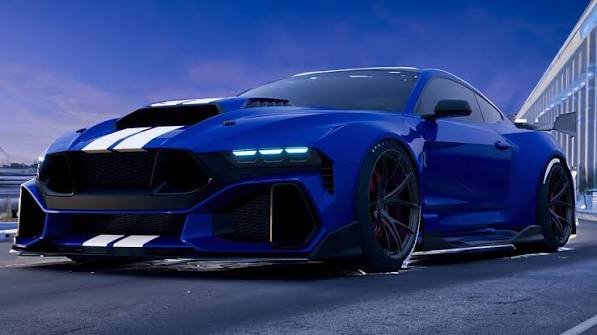
When it comes to upgrading a vehicle’s appearance, bodykits are one of the most popular options for creating a more aggressive, sporty, or personalized look. However, the quality of a bodykit depends heavily on the bodykits materials used in its construction. Choosing the right material can affect durability, weight, fitment, finish, and overall performance.
High-quality bodykits are manufactured using several different materials, each offering specific advantages. Understanding these materials can help vehicle owners choose products that match their styling goals, budget, and driving requirements.
Fiberglass
Fiberglass is one of the most commonly used materials in aftermarket bodykits. It is created by combining fine glass fibers with resin, producing a lightweight and relatively strong material.
One major advantage of fiberglass is its affordability. Manufacturers can shape it into complex designs, making it suitable for custom bumpers, side skirts, spoilers, fenders, and other components. Fiberglass can also be sanded, repaired, and painted relatively easily.
However, fiberglass is generally more rigid than some modern alternatives. A strong impact can cause cracking or splitting. For this reason, fiberglass bodykits are often better suited to vehicles that are primarily used for normal road driving rather than frequent high-impact applications.
Despite this limitation, properly manufactured fiberglass bodykits can provide an excellent combination of appearance, customization, and cost.
ABS Plastic
ABS plastic is another popular material used in high-quality bodykits. ABS stands for acrylonitrile butadiene styrene, a durable thermoplastic commonly used in automotive components.
Compared with fiberglass, ABS plastic has better flexibility. This means it can absorb minor impacts and resist cracking under normal conditions. Its flexibility also makes it useful for components that may experience vibration or slight movement while driving.
ABS bodykits can provide consistent manufacturing quality because many parts are produced using molds. This can contribute to accurate dimensions and improved fitment.
The material also has a smooth surface that can be finished and painted effectively. For drivers who want a practical bodykit for everyday use, ABS plastic can be an attractive option.
Polyurethane
Polyurethane is valued for its flexibility, durability, and resistance to everyday road conditions. It is particularly useful for components such as bumpers, lips, and side skirts that may experience minor contact with curbs, uneven roads, or other obstacles.
Unlike rigid materials, polyurethane can flex when subjected to moderate pressure and may return to its original shape. This characteristic makes it suitable for vehicles that are driven regularly.
High-quality polyurethane bodykits can also provide excellent fitment when they are manufactured using precise molds. Although polyurethane parts can sometimes be heavier than fiberglass alternatives, their durability can make the additional weight worthwhile for many everyday drivers.
Carbon Fiber
Carbon fiber is considered a premium material in the automotive styling industry. It is made from extremely thin carbon strands that are woven together and combined with resin.
One of carbon fiber’s biggest advantages is its impressive strength-to-weight ratio. Components made from carbon fiber can be lightweight while maintaining substantial structural strength.
Carbon fiber is commonly used for spoilers, hoods, splitters, diffusers, mirror covers, and other performance-oriented components. Its distinctive woven appearance also creates a premium visual effect.
There are different grades and manufacturing methods for carbon fiber products. High-quality components generally feature consistent weaving, clean edges, strong resin bonding, and a smooth clear coat.
Because carbon fiber requires more specialized manufacturing processes, it is usually more expensive than fiberglass or plastic. Nevertheless, enthusiasts seeking a high-end appearance often consider it a worthwhile investment.
Carbon Fiber Reinforced Polymer
Carbon fiber reinforced polymer, commonly called CFRP, combines carbon fibers with a polymer resin. This construction provides excellent stiffness while keeping the component relatively lightweight.
CFRP is frequently associated with performance-focused automotive applications because reducing unnecessary weight can be beneficial for handling and efficiency. It can also be shaped into aerodynamic components with precise designs.
High-quality CFRP bodykit components require careful manufacturing. Poorly produced parts may have surface imperfections, inconsistent fiber patterns, or resin-related defects. Buyers should therefore pay attention to manufacturing quality rather than choosing a product based solely on its carbon fiber appearance.
Polypropylene
Polypropylene is a lightweight plastic frequently used by automotive manufacturers for various exterior components. It is flexible, impact-resistant, and capable of handling normal road conditions.
Bodykit components made from polypropylene can provide a factory-like level of practicality. The material can withstand minor impacts better than some rigid alternatives, making it suitable for everyday driving.
Another benefit is its relatively low weight. Manufacturers can create practical components without adding excessive mass to the vehicle.
For drivers who prioritize durability and everyday usability, polypropylene can be an excellent material choice.
Steel and Aluminum Components
Although most exterior bodykit pieces are made from plastics, fiberglass, or composites, steel and aluminum may be used in certain specialized components.
Aluminum is lightweight and resistant to corrosion, making it useful for performance-oriented applications where strength and weight need to be balanced. Steel can provide substantial strength but is generally heavier.
These materials are more commonly associated with structural or specialized automotive components rather than complete exterior bodykit sets. Nevertheless, they can play an important role in custom vehicle builds.
Material Quality Affects Fitment
Material selection is only one part of a high-quality bodykit. Manufacturing precision is equally important. Even an excellent material can produce disappointing results if the component has poor dimensions or inaccurate mounting points.
Properly manufactured bodykits should align with the vehicle’s original body panels and mounting locations. Good fitment reduces the amount of cutting, drilling, sanding, or modification required during installation.
Before purchasing a kit, vehicle owners should verify compatibility with the exact make, model, year, and trim of their vehicle.
Choosing the Right Material for Your Vehicle
The best material depends on how the vehicle will be used. For budget-conscious enthusiasts, fiberglass can provide attractive designs at a reasonable price. ABS plastic and polypropylene are useful choices for everyday vehicles because of their flexibility and durability.
Polyurethane is particularly suitable for components that may experience minor impacts, while carbon fiber and CFRP are excellent options for premium builds where lightweight construction and distinctive styling are important.
It is also important to consider climate and road conditions. Vehicles driven on rough roads may benefit from flexible materials, while show cars or performance builds may prioritize lightweight composite materials and visual appeal.
Why Manufacturing Quality Matters
A high-quality bodykit should have more than an attractive design. The material should be consistent, the surfaces should be smooth, and the mounting points should be accurately positioned.
Buyers should inspect product descriptions carefully and look for information about the material, manufacturing process, fitment, and finishing requirements. Customer reviews and photographs can also provide useful information about real-world quality.
Professional installation can further improve the final result. Even a well-made kit may require preparation, alignment, sanding, painting, or other finishing work before it looks completely integrated with the vehicle.
Final Thoughts
The materials used in bodykits have a major influence on their durability, weight, flexibility, appearance, and price. Fiberglass remains a popular affordable choice, while ABS plastic, polyurethane, and polypropylene offer practical flexibility for everyday vehicles. Carbon fiber and CFRP provide premium styling and lightweight performance for enthusiasts seeking a more advanced upgrade.
Ultimately, the best bodykit is not necessarily the most expensive one. It should use a material appropriate for the vehicle’s purpose and provide accurate fitment, reliable construction, and a finish that complements the overall design. By understanding the differences between these materials, vehicle owners can make more informed decisions and achieve a high-quality transformation that looks impressive and performs well for years to come.