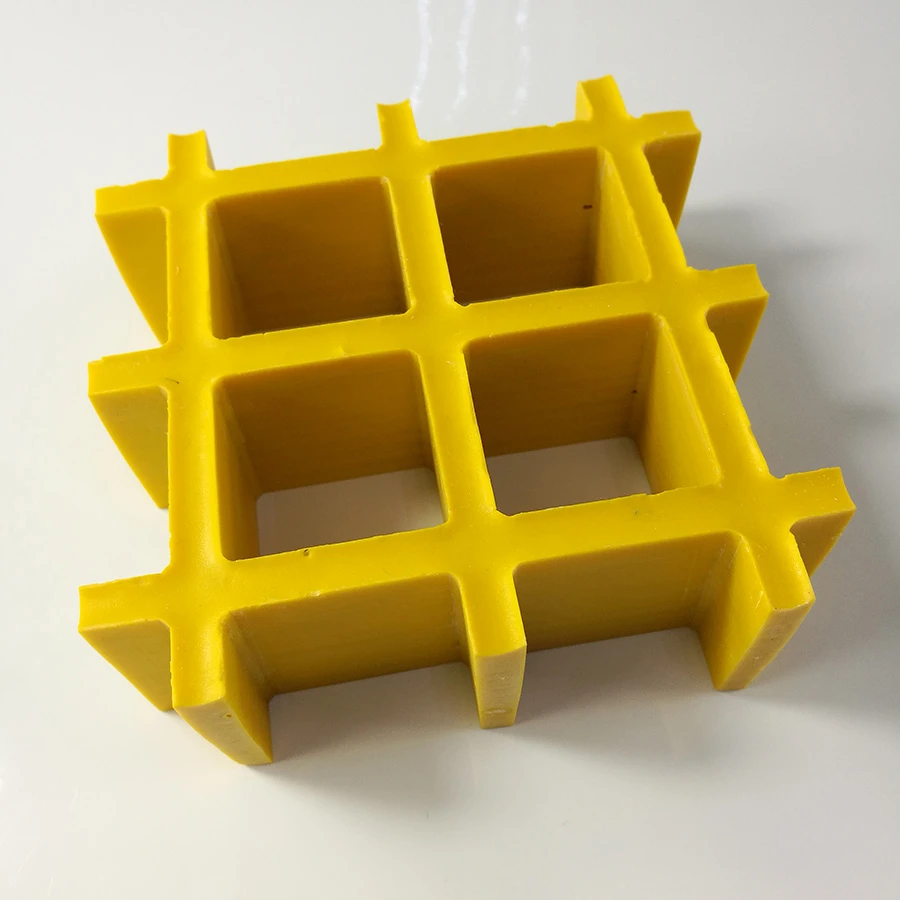
The role of an FRP Grating Manufacturer has become increasingly important as industries shift toward safer, lighter, and more corrosion-resistant structural materials. FRP (Fiber Reinforced Plastic) grating is a composite material made from a polymer matrix reinforced with fibers such as glass fiber. It is widely used as an alternative to steel and aluminum grating in environments where corrosion, weight, and maintenance are major concerns.
Unlike traditional metal grating, FRP grating does not rust, conducts minimal electricity, and performs well in chemically aggressive environments. This makes it a preferred choice in sectors like oil and gas, chemical processing, marine engineering, wastewater treatment, and construction.
An experienced FRP Grating Manufacturer focuses not only on producing durable products but also on tailoring solutions for specific industrial needs, ensuring safety, longevity, and performance.
Materials Used in FRP Grating Production
The foundation of FRP grating lies in its composite structure. A reliable FRP Grating Manufacturer carefully selects raw materials to ensure strength, durability, and resistance to environmental stress.
Resin Systems
Resin acts as the binding matrix that holds the fibers together. The most commonly used resins include:
- Polyester resin: Cost-effective and widely used for general applications
- Vinyl ester resin: Offers superior chemical resistance and is used in harsh environments
- Epoxy resin: Provides excellent mechanical strength and adhesion, often used in high-performance applications
Each resin type determines how the grating will perform under chemical exposure, temperature variations, and mechanical stress.
Reinforcing Fibers
Fiberglass is the primary reinforcement material in FRP grating. It provides tensile strength and structural integrity. The glass fibers are embedded in the resin matrix in different orientations to optimize load distribution.
Some advanced FRP Grating Manufacturer processes may also incorporate carbon fibers or hybrid reinforcements for specialized applications requiring higher strength-to-weight ratios.
Fillers and Additives
Fillers like calcium carbonate and aluminum trihydrate are added to improve fire resistance, reduce cost, and enhance mechanical properties. Additives such as UV stabilizers and anti-corrosion agents help extend the lifespan of the grating when exposed to sunlight and harsh weather conditions.
Design Principles in FRP Grating Manufacturing
The design stage is one of the most critical aspects for any FRP Grating Manufacturer. Proper engineering ensures that the final product meets structural requirements while maintaining safety and efficiency.
Load-Bearing Capacity
FRP grating is designed to support different load conditions, including pedestrian traffic, industrial equipment, and vehicle movement. Manufacturers calculate load-bearing capacity based on span, thickness, and grid pattern.
The most common configurations include:
- Heavy-duty grating for industrial platforms and offshore rigs
- Medium-duty grating for walkways and mezzanines
- Light-duty grating for maintenance access and drainage covers
Mesh Patterns and Open Area
The grid structure of FRP grating is carefully designed to balance strength and open area. A higher open area allows better drainage, ventilation, and light passage, which is essential in chemical plants and marine environments.
Common mesh patterns include square mesh and rectangular mesh, each offering different mechanical and functional advantages.
Surface Finishes
Safety is a major concern in industrial environments. To reduce slip hazards, FRP grating surfaces are designed with different finishes:
- Gritted surface for high anti-slip performance
- Concave surface for moderate slip resistance
- Smooth surface for applications where cleaning is important
A professional FRP Grating Manufacturer selects the surface type based on application requirements and safety standards.
Fire and Chemical Resistance Design
In industries like petrochemicals and offshore drilling, fire resistance is critical. Special fire-retardant resins and additives are used to meet safety regulations. Similarly, chemical-resistant designs ensure that the grating can withstand exposure to acids, alkalis, and solvents without degradation.
Applications of FRP Grating Across Industries
The versatility of FRP grating makes it suitable for a wide range of applications. A trusted FRP Grating Manufacturer typically serves multiple sectors with customized solutions.
Oil and Gas Industry
In offshore platforms, refineries, and drilling rigs, FRP grating is used for walkways, stair treads, and platforms. Its corrosion resistance against saltwater and chemicals makes it ideal for harsh marine environments. Additionally, its non-sparking nature improves safety in explosive atmospheres.
Chemical and Petrochemical Plants
Chemical plants expose materials to highly corrosive substances. FRP grating provides long-term durability without the need for frequent maintenance or replacement. It is commonly used in chemical storage areas, processing units, and maintenance platforms.
Water and Wastewater Treatment
In wastewater treatment facilities, FRP grating is used for flooring, trench covers, and access platforms. Its resistance to moisture, bacteria, and corrosive gases ensures long-lasting performance even in constantly wet environments.
Marine and Offshore Structures
Ships, docks, and harbor facilities benefit greatly from FRP grating due to its resistance to saltwater corrosion. It is lightweight, which reduces structural load, and easy to install in remote marine locations.
Construction and Infrastructure
Modern construction projects use FRP grating in pedestrian bridges, building facades, cooling towers, and industrial flooring. Its aesthetic flexibility and durability make it a preferred choice for architects and engineers.
Power Plants and Industrial Facilities
In power generation facilities, FRP grating is used in cable trays, maintenance platforms, and cooling systems. Its electrical insulation properties enhance worker safety around high-voltage equipment.
FRP Grating Manufacturer Insights and Industry Trends
The evolving role of an FRP Grating Manufacturer goes beyond simple production. Manufacturers are now focusing on innovation, customization, and sustainability to meet modern industrial demands.
Customization and Engineering Support
Industries often require tailored solutions based on load requirements, chemical exposure, and environmental conditions. Manufacturers provide engineering support to design grating systems that match specific project needs.
Quality Standards and Testing
High-quality FRP grating must meet international standards for load capacity, fire resistance, and durability. Manufacturers conduct rigorous testing, including mechanical stress tests, chemical resistance tests, and slip resistance evaluations to ensure reliability.
Sustainability and Environmental Impact
FRP grating is increasingly seen as a sustainable alternative to metal due to its long lifespan and reduced maintenance requirements. Modern FRP Grating Manufacturer practices also focus on reducing production waste and improving energy efficiency during manufacturing.
Technological Advancements
Automation and advanced molding techniques have improved the consistency and strength of FRP grating products. Pultrusion and molded grating technologies allow manufacturers to produce complex designs with higher precision and efficiency.
Conclusion
The demand for FRP grating continues to grow as industries prioritize safety, durability, and cost efficiency. A skilled FRP Grating Manufacturer plays a vital role in delivering high-performance solutions that meet the challenges of modern infrastructure and industrial environments.
From material selection and structural design to diverse industrial applications, FRP grating stands out as a versatile and reliable alternative to traditional materials. As technology advances, its applications are expected to expand further, making it a cornerstone material in future engineering and construction projects.