Water damage can strike unexpectedly, leaving behind a trail of destruction that affects your home’s structure, furniture, and personal belongings. Whether it’s caused by a burst pipe, heavy rainfall, or flooding, immediate action is essential to prevent further damage. Effective water damage cleaning can save your home from long-term problems such as mold growth, wood warping, and structural weakening. This guide will provide a comprehensive roadmap for restoring your home quickly and safely.
Understanding the Risks of Water Damage
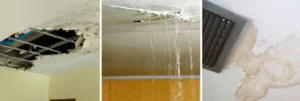
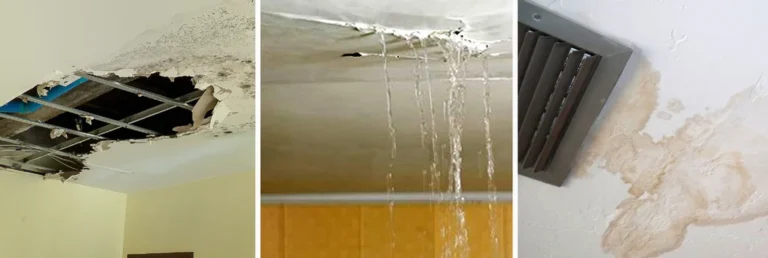
Water damage is more than just a wet floor or damp walls. It can compromise the integrity of your home and create health hazards. Standing water promotes mold and mildew growth, which can trigger respiratory problems and allergies. Wood and drywall absorb moisture, leading to warping and weakening of structural supports. Electrical systems exposed to water also pose serious safety risks. Recognizing the severity of water damage is the first step toward effective cleaning and restoration.
Immediate Actions After Water Damage
Time is of the essence when dealing with water damage. The longer water sits, the more extensive the damage becomes. Start by ensuring your safety. Turn off electricity if water has reached outlets or appliances, and wear protective gear such as gloves and waterproof boots. Remove any items that can be salvaged, such as furniture, rugs, and electronics, to prevent permanent damage.
Next, identify the source of the water and stop it if possible. This could mean shutting off the main water supply in the case of a burst pipe or using sandbags to divert floodwater. Quick containment reduces the spread of water and simplifies the cleaning process.
Categorizing the Type of Water Damage
Water damage is categorized into three types, which helps determine the cleaning approach:
- Clean Water: This comes from sources such as broken pipes or rainwater that hasn’t mixed with contaminants. Although less hazardous, it still requires prompt removal.
- Gray Water: Water from washing machines, dishwashers, or toilet overflow falls into this category. It contains chemicals or bacteria and requires careful handling.
- Black Water: Highly contaminated water from sewage or floodwaters poses serious health risks and demands professional water damage cleaning services.
Knowing the category of water helps in selecting the right equipment and cleaning methods.
Tools and Equipment for Effective Cleaning
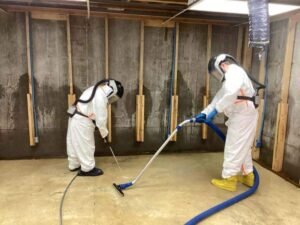
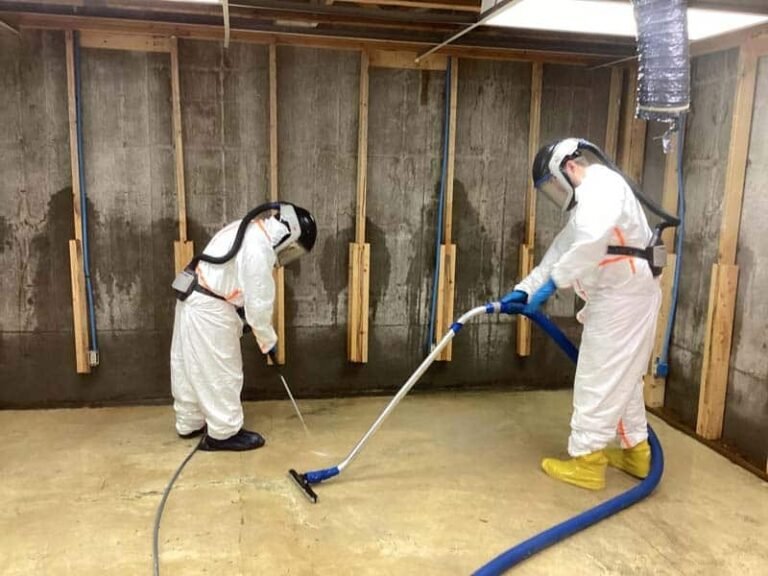
Effective water damage cleaning requires specialized tools. Industrial-strength wet/dry vacuums, pumps, and dehumidifiers are crucial for extracting water and reducing moisture levels. Fans and air movers accelerate drying, while moisture meters help track dampness in walls, floors, and furniture. For contaminated water, protective gear like respirators, gloves, and waterproof suits is essential. Investing in or renting the right equipment ensures a thorough and safe restoration process.
Removing Water and Drying the Area
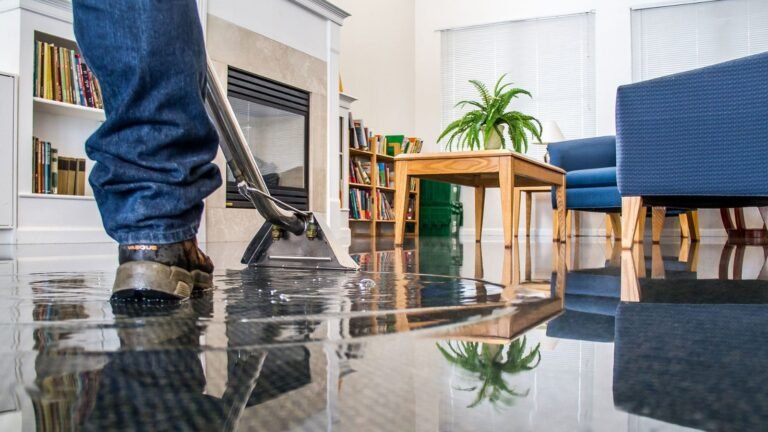
The primary goal of water damage cleaning is to remove standing water and dry the affected areas. Begin by extracting water using pumps or wet/dry vacuums. Pay attention to corners, under furniture, and other hidden spots where water can accumulate.
Once water is removed, circulate air using fans and dehumidifiers. Open windows and doors if weather permits, as fresh air helps accelerate drying. Monitor the moisture levels to ensure complete drying, as even small amounts of residual water can lead to mold growth.
Cleaning and Sanitizing Affected Surfaces
After drying, the next step is cleaning and sanitizing. Use a mixture of water and mild detergent to clean hard surfaces like floors, walls, and furniture. For areas exposed to gray or black water, stronger disinfectants may be necessary to eliminate bacteria and pathogens. Porous materials such as carpets, mattresses, and upholstered furniture may require professional cleaning or disposal if contamination is severe.
Preventing Mold and Mildew Growth
Mold can develop within 24 to 48 hours of water exposure, making prevention a critical aspect of water damage cleaning. Ensure that all surfaces are thoroughly dried and sanitized. Use mold inhibitors on susceptible areas like drywall, wooden beams, and baseboards. Keep humidity levels low using dehumidifiers, and consider professional mold remediation if you notice visible growth or persistent musty odors.
Restoring Damaged Structures and Belongings
Once your home is clean and dry, it’s time to assess structural and material damage. Drywall, flooring, and insulation may need replacement if they are warped or compromised. Furniture, electronics, and personal items should be inspected for damage and restored when possible. Professional restoration services can help salvage items that appear ruined, saving both money and memories.
Tips for Future Water Damage Prevention
Preventing water damage is always better than cleaning it up. Regular maintenance of plumbing systems, roof inspections, and proper drainage around your home can minimize the risk of leaks and flooding. Install water alarms or automatic shut-off valves to catch leaks early. Elevating appliances and storing valuables above potential flood levels adds an extra layer of protection.
When to Call Professionals
While minor water damage can often be handled by homeowners, extensive flooding or contamination requires professional intervention. Professionals bring expertise, advanced equipment, and safety knowledge that ensures complete water damage cleaning. They can handle structural repairs, mold remediation, and full-scale restoration efficiently, reducing the long-term impact on your home.
Final Thoughts
Water damage cleaning is a time-sensitive and multi-step process that combines immediate action, proper equipment, thorough drying, sanitization, and restoration. By understanding the risks, taking swift action, and using the right techniques, you can restore your home quickly and prevent future problems. Proper prevention and regular maintenance will also reduce the likelihood of severe water damage, keeping your home safe, healthy, and comfortable.