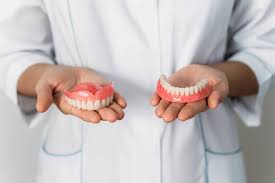
For millions of people, a complete set of dentures offers a renewed lease on life, restoring the ability to eat, speak, and smile with confidence. However, the experience of wearing dentures, particularly a lower or mandibular set, can often be fraught with challenges. The most common complaint? Slippage. A loose bottom denture can be frustrating, embarrassing, and even painful, leading to a restricted diet and a reluctance to engage in social activities. If you’re tired of your dentures shifting, lifting, or wobbling at the most inconvenient times, it’s time to understand the reasons behind the instability and embrace essential strategies for a truly secure fit.
The Challenge of the Lower Denture
Why are lower dentures notoriously more difficult to secure than their upper counterparts? The anatomical differences between the maxilla (upper jaw) and the mandible (lower jaw) are the primary culprits.
Anatomical Constraints and Forces
The upper jaw provides a broad, relatively stable palate, creating a large surface area for suction and retention. The lower jaw, in contrast, is a U-shaped ridge that is constantly moving. The lower denture must rest on a much smaller, sharper, and often receding ridge of bone.
- Limited Surface Area: Less surface area means less natural suction and grip to keep the denture in place.
- The Tongue’s Influence: The tongue is a powerful, constantly active muscle that rests directly on the lingual (tongue-side) flange of the lower denture, exerting constant upward and outward pressure that tries to dislodge it.
- Muscles of the Floor of the Mouth: The muscles in the floor of the mouth, used for swallowing and speaking, insert close to the bony ridge and can lift the denture as they contract.
- Saliva and Tissues: While saliva aids in creating suction for the upper denture, excessive or thin saliva can act as a lubricant, making the lower denture prone to sliding.
This combination of factors makes achieving passive, long-term stability a daily battle for many denture wearers. For those in the https://albertadentures.com/service/bottom-dentures community and beyond, recognizing these constraints is the first step toward effective management.
Essential Tip 1: The Perfect Fit is Paramount
No amount of adhesive can compensate for a poorly fitted denture. The foundation of security is a denture that precisely matches the current shape of your underlying gum and bone structure.
The Role of Relines and Rebase
Your jawbone naturally changes over time through a process called resorption—the bone that once supported your natural teeth slowly shrinks when those teeth are lost. This bone loss is inevitable, meaning a denture that fit perfectly five years ago will almost certainly be too loose today.
- Reline: This is a procedure where your dental professional adds new material to the tissue-fitting surface of your existing denture to compensate for gum and bone shrinkage. A soft reline uses a pliable, temporary material, while a hard reline uses a durable, acrylic material. This should typically be done every one to two years.
- Rebase: This is a more extensive process where the entire acrylic base of the denture is replaced, keeping the original teeth. This is done when the base material is significantly worn or damaged, or if major changes to the fit are required.
If your denture is more than five years old and has never been professionally relined, scheduling an appointment is the most crucial step you can take to stop slippage.
Essential Tip 2: Mastering Denture Adhesives
When the fit is optimal, a quality adhesive can provide the necessary extra grip and seal to combat the disruptive forces of the tongue and cheek muscles. Adhesives come in creams, powders, and strips, each with distinct advantages.
Techniques for Application and Use
Using adhesive correctly is often the difference between a secure hold and a messy failure.
- Cream Adhesives: Apply in three to four small, pea-sized dots or thin, short lines along the ridge of the denture, avoiding the edges. Applying too much will cause the adhesive to ooze out, reducing its effectiveness and making cleanup difficult. Always start with a freshly cleaned and dry denture and mouth.
- Powder Adhesives: Sprinkle a thin, even coat of powder over the moist tissue-fitting surface of the clean denture. Shake off the excess. The moisture helps activate the powder for suction. This is often preferred by those with excessive saliva.
- Adhesive Strips: These are pre-cut and offer a less messy application. They are especially useful for patients with very flat or severely receded lower ridges, providing a cushioned layer between the hard acrylic and the gum tissue.
Crucial Note: Never use an adhesive to “band-aid” a broken or severely ill-fitting denture. Adhesives are a supplement to, not a replacement for, a proper fit.
Essential Tip 3: The Ultimate Security Solution – Dental Implants
For patients experiencing chronic, debilitating lower denture slippage, dental implants offer a transformative solution that provides unmatched stability and stops bone loss. This is the gold standard for lower denture retention.
How Implant-Supported Dentures Work
A process known as Overdentures or Implant-Retained Dentures involves surgically placing two to four dental implants into the lower jawbone. These implants function as anchors.
- Locator Attachments: The denture is modified to have attachments (usually “locator” connectors or a bar) that snap or clip onto the corresponding attachments on the implants.
- Unrivaled Stability: Once clipped in, the denture is held firmly in place and cannot lift, shift, or wobble. The patient can enjoy a much wider variety of foods and speak with complete confidence.
- Improved Quality of Life: This solution often eliminates the need for messy adhesives and dramatically improves the quality of life, effectively saying “goodbye to slippage” for good. Consulting with a dental professional about albertadentures options, including implants, is highly recommended for anyone struggling with a loose lower denture.
Essential Tip 4: Daily Care and Muscle Training
Maintaining a clean denture and training your mouth muscles are two simple, yet often overlooked, keys to better security.
Hygiene and Break-In
- Denture Cleaning: Plaque and tartar can build up on the fitting surface, altering its contour and reducing suction. Clean your denture thoroughly with a specialized brush and cleaner every day.
- Oral Tissue Care: Brushing your gums, tongue, and the roof of your mouth improves circulation and removes bacteria, leading to healthier tissue that can better support the denture.
- Muscle Training: When you first get a new denture, practice reading aloud. This trains your cheek, lip, and tongue muscles to adapt to the appliance, naturally centering and holding it in place through muscle memory. Start by practicing with soft, easy-to-chew foods before advancing to tougher items.
By integrating these four essential tips—ensuring an optimal fit through relines, mastering the correct use of adhesives, exploring the stability of implants, and maintaining rigorous daily care—you can overcome the challenges of lower denture slippage. A secure bottom denture is not a pipe dream; it is an achievable reality that leads to a healthier, happier, and more confident life.