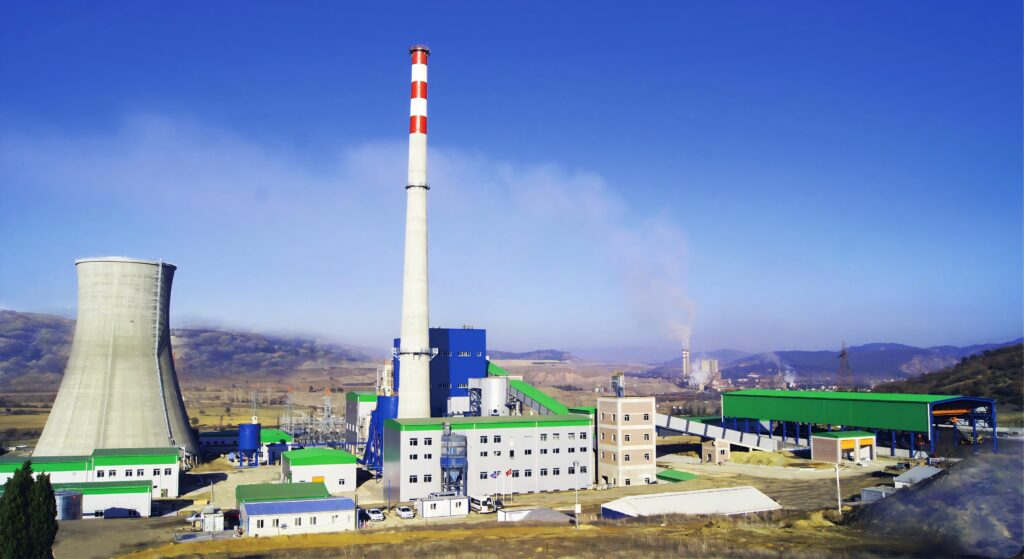
The design of a coal-fired power plant is a complex undertaking, involving numerous interconnected systems that must operate efficiently and safely. Among these, the boiler island plays a pivotal role in determining overall plant performance. The coal – fired power plant boiler island layout is not merely a structural consideration; it is a critical factor that influences energy efficiency, maintenance, and operational safety. For energy companies like RUNH POWER, understanding and optimizing the boiler island layout is essential for achieving maximum output and reliability.
Understanding the Boiler Island
The boiler island is the heart of a coal-fired power plant. It houses the boiler itself, auxiliary systems, and essential components such as coal handling equipment, fans, air preheaters, economizers, and soot blowers. Its layout dictates how efficiently coal combustion translates into heat energy, which is then converted into electricity.
A well-designed boiler island ensures smooth flow between fuel input, combustion, steam generation, and flue gas handling. RUNH POWER emphasizes that any misalignment or inefficiency in this layout can lead to operational bottlenecks, increased fuel consumption, and higher emissions, undermining the plant’s economic and environmental performance.
Key Components of a Boiler Island
Understanding the coal – fired power plant boiler island layout requires knowledge of its key components and their interactions.
Boiler Drum and Furnace
The furnace is where coal combustion occurs. Its design affects flame stability, heat transfer, and the overall combustion efficiency. The boiler drum collects the generated steam and ensures proper separation of water and steam. The placement of these components within the boiler island is crucial for optimizing heat transfer and reducing energy losses.
Superheater, Reheater, and Economizer
After combustion, steam passes through the superheater and reheater sections, which increase its temperature and pressure to the required levels for the turbine. The economizer recovers residual heat from flue gases, improving the overall thermal efficiency. Correct positioning and integration of these components within the coal – fired power plant boiler island layout minimize energy loss and ensure smoother operation.
Air Preheater and Forced Draft Fans
Air preheaters recover heat from exhaust gases to preheat the combustion air, reducing coal consumption and improving efficiency. Forced draft and induced draft fans regulate airflow through the boiler, ensuring stable combustion. Their placement relative to the furnace and chimney impacts performance and energy consumption.
Coal Handling System
Coal storage, crushers, conveyors, and feeders are part of the coal handling system, responsible for delivering fuel consistently to the furnace. An optimized layout ensures minimal material handling, reduces the risk of blockage, and allows for safe operation. RUNH POWER has consistently focused on integrating coal handling efficiently with the boiler island to improve overall plant reliability.
Impact of Layout on Efficiency
The coal – fired power plant boiler island layout directly affects several efficiency parameters:
Thermal Efficiency
A strategically designed layout maximizes heat recovery from flue gases and optimizes steam generation, ensuring that more of the coal’s energy is converted into usable electricity. Misaligned components or inefficient air and fuel flow can result in heat loss, reducing thermal efficiency.
Operational Safety
Safety is a non-negotiable priority. A well-planned layout minimizes risks associated with high-pressure steam, hot surfaces, and coal dust. Proper spacing between components and easy access for inspection and maintenance prevent accidents and allow timely interventions.
Maintenance and Downtime
Maintenance activities are simplified when the boiler island is designed with accessibility in mind. RUNH POWER emphasizes that routine inspection, cleaning, and part replacement are faster and safer with an optimized layout, directly reducing downtime and operational costs.
Environmental Compliance
Optimizing the boiler island layout also supports emission control. Proper flue gas paths, efficient combustion, and heat recovery systems reduce unburned carbon and pollutants. This ensures compliance with environmental standards without compromising plant performance.
Design Considerations for Optimization
Achieving an efficient coal – fired power plant boiler island layout requires careful planning and engineering. Key considerations include:
Component Placement
Every component must be positioned to facilitate smooth material and energy flow. For instance, coal conveyors should deliver fuel to the furnace with minimal horizontal and vertical movement. Heat exchangers should be aligned to maximize energy transfer.
Integration of Control Systems
Automation and monitoring systems play a critical role in modern coal-fired power plants. Proper layout ensures that sensors, control valves, and monitoring equipment can communicate effectively, enabling real-time optimization of combustion and steam generation.
Space Utilization
While compact design saves construction costs, sufficient space must be provided for maintenance and emergency access. RUNH POWER balances these competing needs by designing boiler islands that are both space-efficient and maintenance-friendly.
Future Upgrades
A flexible layout allows for future upgrades, such as adding emission control technologies or improving heat recovery systems. Planning for adaptability ensures the plant remains competitive over its operational lifetime.
RUNH POWER’s Approach to Boiler Island Optimization
RUNH POWER has established itself as a leader in coal-fired power plant design, with a focus on efficient boiler island layouts. By integrating modern engineering practices, advanced simulation tools, and extensive operational experience, RUNH POWER ensures that each boiler island is tailored to maximize efficiency, safety, and longevity.
Simulation and Modeling
Before construction, RUNH POWER employs advanced simulation software to model airflow, combustion, and heat transfer. This helps identify potential inefficiencies and optimize component placement.
Maintenance-Centric Design
RUNH POWER emphasizes accessibility for maintenance in every layout. This includes strategic placement of soot blowers, air preheaters, and economizers, reducing downtime and extending equipment life.
Environmental Integration
Environmental compliance is built into the layout from the start. Flue gas paths are optimized to support emission control systems, and heat recovery systems are positioned to capture maximum residual energy.
Conclusion
The coal – fired power plant boiler island layout is a fundamental determinant of a power plant’s efficiency, safety, and longevity. Optimizing this layout ensures effective heat transfer, efficient fuel consumption, safer operation, and easier maintenance. For companies like RUNH POWER, prioritizing boiler island design is not just an engineering task—it is a strategic investment in operational excellence.
In today’s competitive energy landscape, focusing on the boiler island layout can lead to significant gains in performance, cost savings, and environmental compliance. Proper planning, modern simulation tools, and a maintenance-focused approach make it possible to transform a coal-fired power plant from merely functional to exceptionally efficient.