Sewage disasters are among the most challenging emergencies a property owner can face. Whether caused by a clogged sewer line, natural flooding, or plumbing failure, sewage incidents can lead to significant damage to property, pose severe health risks, and create long-term structural problems if not addressed promptly. Understanding sewage disaster restoration and implementing effective cleanup strategies is essential for minimizing damage and ensuring a safe, hygienic environment. This comprehensive guide explores everything you need to know about sewage disaster restoration, from immediate response to complete recovery.
Understanding Sewage Disaster Restoration
Sewage disaster restoration is the process of cleaning, disinfecting, and repairing areas affected by sewage overflow or backups. This type of restoration goes beyond basic cleaning; it involves specialized techniques to eliminate harmful pathogens, restore structural integrity, and prevent long-term contamination. Sewage disasters are particularly dangerous because sewage contains bacteria, viruses, fungi, and other microorganisms that can cause serious illnesses. Rapid response is crucial to reduce health risks and mitigate damage to your home or business.
Professional sewage disaster restoration services use advanced equipment and proven methods to ensure complete sanitation. These services are essential for any property affected by raw sewage, as improper handling can lead to lingering odors, mold growth, and structural degradation.
Causes of Sewage Disasters
Several factors can trigger sewage disasters, each requiring careful assessment and tailored restoration strategies. Common causes include:
- Clogged Sewer Lines: Blockages caused by debris, grease buildup, or tree roots can force sewage to back up into homes and businesses.
- Heavy Rainfall and Flooding: Excessive water can overwhelm municipal sewage systems, leading to contamination in basements and low-lying areas.
- Plumbing Failures: Broken pipes, faulty connections, or improperly installed fixtures can create sewage leaks and flooding.
- Sewage System Malfunctions: Aging or poorly maintained municipal sewage infrastructure can contribute to widespread contamination incidents.
Identifying the cause of a sewage disaster helps restoration professionals determine the appropriate cleanup method and prevent future occurrences.
Immediate Steps After a Sewage Disaster
Time is critical in sewage disaster restoration. The first few hours after an incident can significantly influence the extent of damage. Homeowners should follow these steps immediately:
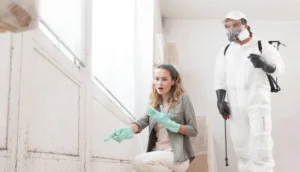
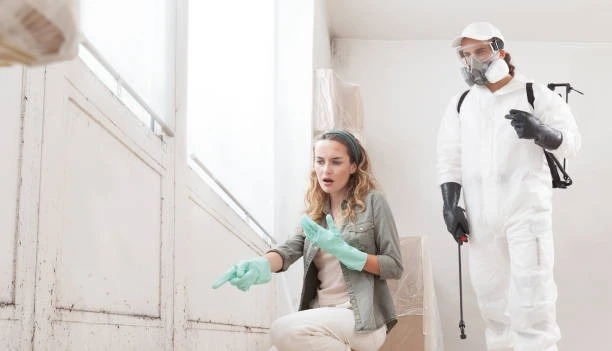
- Ensure Safety: Avoid direct contact with sewage. Raw sewage contains harmful microorganisms that can cause infections and diseases. Wear protective clothing, gloves, and masks if you must enter affected areas.
- Evacuate Affected Areas: If the sewage spill is extensive, evacuate residents or employees until professionals can assess the situation.
- Shut Off Utilities: Turn off electricity and water supply in the affected area to prevent electrocution and additional water damage.
- Document Damage: Take photographs and notes of the affected areas for insurance purposes. Comprehensive documentation can expedite claims and ensure accurate coverage.
- Contact a Professional: Engage a certified sewage disaster restoration company immediately. Delays in professional cleanup increase the risk of mold, structural damage, and lingering health hazards.
The Sewage Disaster Restoration Process
Professional sewage disaster restoration involves a systematic approach to ensure thorough cleaning and long-term safety. The process generally includes the following stages:
Assessment and Inspection
Restoration experts begin with a detailed assessment of the affected property. This step includes identifying the source of contamination, evaluating structural damage, and determining the extent of microbial growth. Inspection tools like moisture meters and infrared cameras help locate hidden water and damp areas that may contribute to future mold issues.
Water Extraction and Contaminant Removal
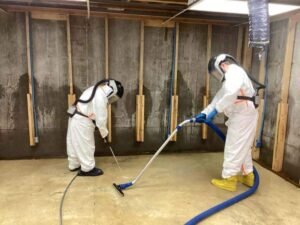
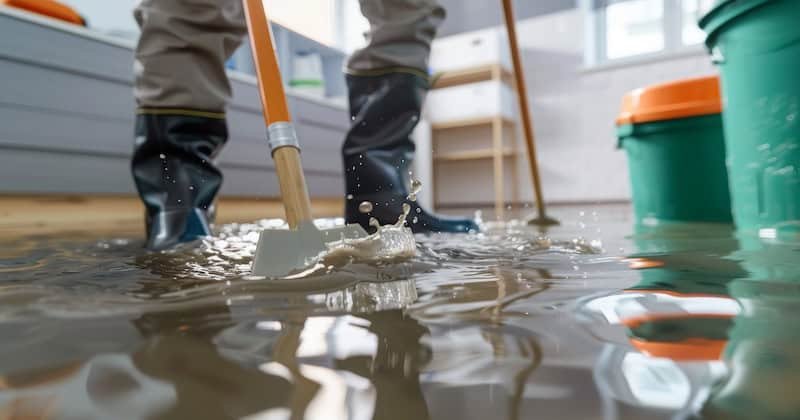
Once the assessment is complete, professionals remove contaminated water and sewage using specialized pumps and vacuums. This step is critical for preventing secondary damage such as warped flooring, rotting walls, and corrosion of metal components. Removal of debris, damaged materials, and contaminated furnishings is also part of this stage.
Deep Cleaning and Sanitization
After removing physical contaminants, the next step in sewage disaster restoration is thorough cleaning and disinfection. Experts use EPA-approved antimicrobial agents to eliminate bacteria, viruses, and fungi. This stage ensures that the property is not only visibly clean but also safe for human occupancy. Special attention is given to porous surfaces such as carpets, drywall, and insulation, which may require removal and replacement.
Drying and Dehumidification
Proper drying is crucial to prevent mold growth, which can develop within 24–48 hours in damp conditions. Restoration teams deploy industrial-grade dehumidifiers and air movers to rapidly dry affected areas. Continuous monitoring ensures that moisture levels return to safe limits, reducing the risk of structural deterioration and odor problems.
Repairs and Restoration
Once the area is sanitized and dried, the final stage of sewage disaster restoration involves repairing or replacing damaged structures and materials. This may include drywall replacement, floor repairs, plumbing fixes, and repainting. Restoration professionals aim to return the property to pre-disaster condition while ensuring safety and hygiene.
Health Risks and Safety Considerations
Sewage disasters pose significant health risks. Exposure to raw sewage can lead to infections, gastrointestinal issues, respiratory problems, and skin irritations. Individuals with weakened immune systems, children, and the elderly are particularly vulnerable. Following safety protocols and hiring trained professionals reduces the risk of exposure and ensures proper decontamination.
Prevention and Maintenance Tips
While not all sewage disasters are preventable, certain measures can minimize the risk:
- Regular plumbing inspections and maintenance to detect leaks or weaknesses.
- Avoid flushing non-biodegradable items, grease, or large amounts of paper into drains.
- Install backflow prevention devices in areas prone to sewer backups.
- Ensure proper drainage around the property to prevent water accumulation near foundations.
Routine preventive steps can reduce the likelihood of severe sewage disasters and costly restoration procedures.
Choosing a Professional Sewage Disaster Restoration Company
Selecting the right restoration company is critical for fast and efficient recovery. Key factors to consider include:
- Certifications and Training: Look for professionals certified by the Institute of Inspection, Cleaning and Restoration Certification (IICRC) or equivalent authorities.
- Experience: Choose a company with extensive experience handling sewage disasters similar to yours.
- Availability: Disasters can happen at any time; 24/7 emergency response is crucial.
- Equipment and Techniques: Ensure the company uses advanced equipment and follows industry-standard restoration protocols.
Partnering with a reputable company ensures peace of mind and restores your property safely and efficiently.
Conclusion
Sewage disaster restoration is a complex and essential process that safeguards your property and health. From immediate response to thorough cleaning, drying, and repair, professional restoration services provide the expertise necessary to handle sewage emergencies effectively. Understanding the risks, acting promptly, and engaging certified restoration professionals are key steps in minimizing damage, preventing mold, and restoring a safe living or working environment. By following this comprehensive guide, property owners can navigate sewage disasters with confidence and ensure long-term safety and resilience.
Sewage disaster restoration is not just about cleaning; it’s about protecting your property, health, and peace of mind. Swift action, professional expertise, and adherence to best practices are the pillars of successful restoration. Don’t wait—address sewage disasters promptly to prevent escalation and maintain a safe, hygienic environment for all occupants.