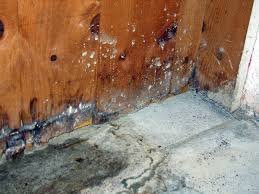
A wet or flooded basement can lead to serious problems, from structural damage to mold growth and ruined belongings. Knowing effective basement water removal techniques is essential for homeowners who want to maintain a safe and dry living space. This guide explores practical methods, preventative measures, and professional solutions to tackle basement water issues efficiently.
Understanding the Causes of Basement Water Problems
Before addressing basement water removal, it’s important to understand why basements get wet. Common causes include heavy rainfall, poor drainage, foundation cracks, sump pump failure, and plumbing leaks. Identifying the source of water infiltration allows for targeted solutions, which not only remove water but also prevent future flooding.
Basements are particularly prone to moisture because they are below ground level. Water naturally seeks the lowest point, making basements the first place to experience leaks and seepage. Homeowners should inspect their basements regularly, especially after storms, to catch minor issues before they escalate.
Immediate Steps for Basement Water Removal
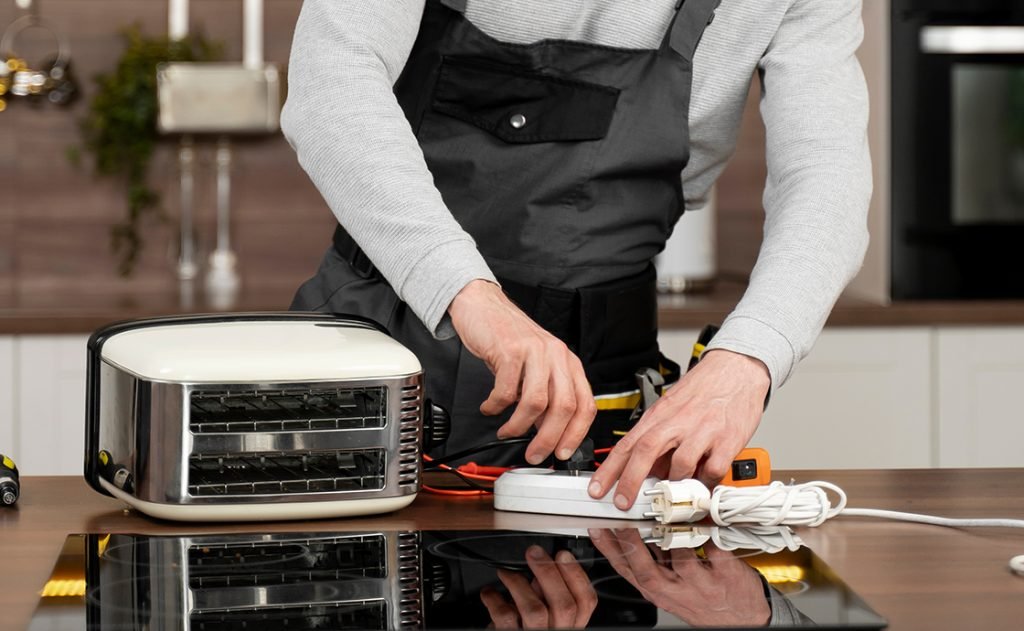
When water is discovered in the basement, prompt action is crucial. The first step is safety. Turn off electricity in the affected area to prevent electrical hazards. Remove valuable or sensitive items from the floor to prevent damage.
Once safety measures are in place, water can be removed using several methods:
- Pumps: Submersible pumps are effective for removing large volumes of water quickly. A portable pump can handle small floods, while a more robust system is suitable for extensive flooding.
- Wet/Dry Vacuums: For minor water accumulation, wet/dry vacuums can help extract water from floors and carpets.
- Mops and Buckets: Though labor-intensive, this method works in emergencies when no other tools are available.
Using the right equipment not only speeds up basement water removal but also reduces the risk of structural damage and mold growth.
Drying and Dehumidifying the Basement
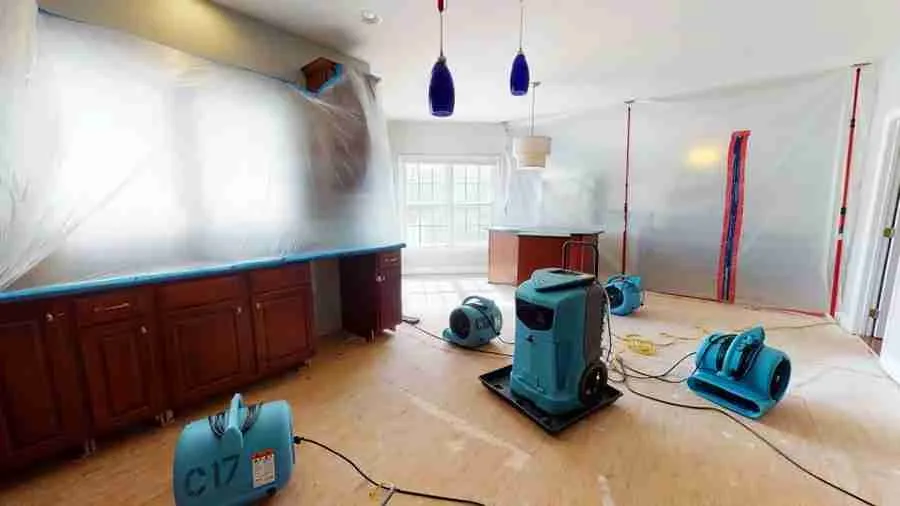
After water removal, the next critical step is drying and dehumidifying the space. Water left in a basement can lead to mold, mildew, and wood rot. Using industrial fans, dehumidifiers, and opening windows when possible will accelerate drying.
Dehumidifiers are particularly effective in basements because these spaces often remain damp even after visible water has been removed. A humidity level of around 30-50% is ideal to prevent mold and maintain air quality. Regular monitoring ensures that the basement stays dry over time.
Preventative Techniques for Long-Term Basement Water Management
Prevention is always better than reaction when it comes to basement water removal. Implementing proper drainage systems and structural improvements can drastically reduce the likelihood of future water problems.
- Exterior Drainage: Ensure gutters and downspouts direct water away from the foundation. Consider installing French drains or grading the landscape to slope away from your home.
- Sealing Cracks: Inspect foundation walls for cracks and seal them with appropriate waterproofing compounds. Even small cracks can allow significant water infiltration over time.
- Sump Pumps: Installing a sump pump can provide a reliable solution for basements prone to flooding. Battery backups are recommended to maintain functionality during power outages.
- Waterproofing: Applying waterproof coatings or membranes on basement walls adds an extra layer of protection against moisture penetration.
Regular maintenance of these preventative measures ensures that your basement remains dry and reduces the need for emergency basement water removal interventions.
When to Call Professionals
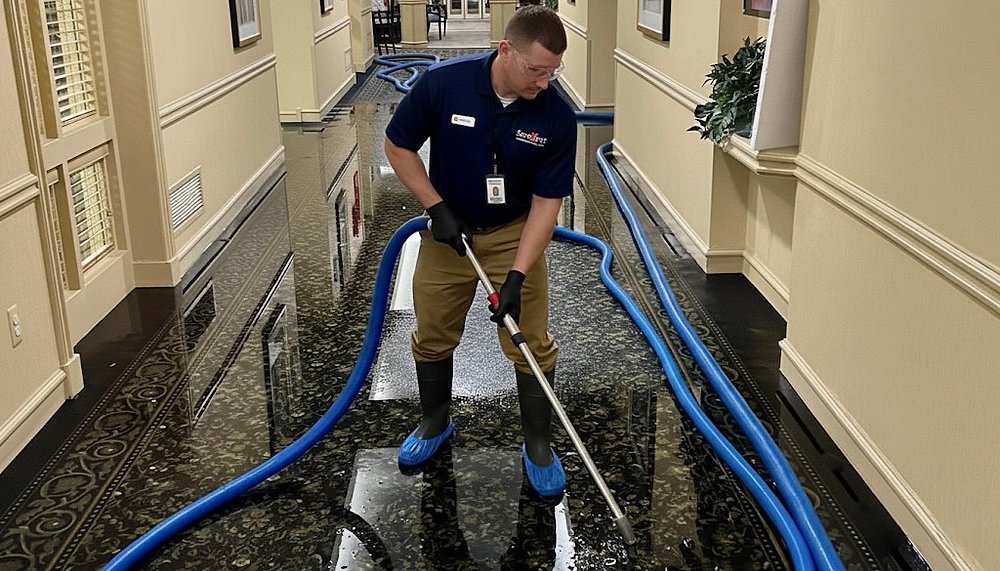
While DIY methods are effective for minor issues, significant flooding or persistent water problems often require professional attention. Licensed contractors specializing in basement water removal can assess the underlying causes, repair structural issues, and implement long-term waterproofing solutions.
Professionals also have access to advanced equipment like industrial-grade pumps, moisture meters, and commercial dehumidifiers that can restore a basement faster and more effectively than typical home tools. Their expertise ensures that the problem is addressed thoroughly, reducing the risk of mold, structural damage, and future flooding.
Mold Prevention After Water Removal
Mold is a major concern in wet basements and can begin growing within 24-48 hours of water exposure. After completing water removal, it is essential to clean and disinfect the area. Use antifungal cleaners on walls, floors, and any affected furniture. Removing or thoroughly drying carpets and rugs is also important to prevent mold spores from taking hold.
For severe mold infestations, professional remediation may be necessary. Experts can safely remove contaminated materials and treat the area to prevent recurrence, safeguarding both property and health.
Tips for Maintaining a Dry Basement
Once your basement is dry, consistent maintenance is key to preventing future water issues:
- Inspect the basement periodically, especially after heavy rain or snowmelt.
- Keep gutters and downspouts clean and functional.
- Test sump pumps regularly and maintain battery backups.
- Monitor humidity levels and use dehumidifiers as needed.
- Repair cracks and seal potential leaks promptly.
By combining basement water removal techniques with ongoing preventive care, homeowners can maintain a safe, dry, and usable basement space year-round.
Conclusion
Effective basement water removal is a combination of immediate action, proper drying, preventative strategies, and professional assistance when necessary. Addressing water issues promptly not only protects your belongings but also preserves the structural integrity of your home and ensures a healthy living environment. By understanding the causes, implementing the right techniques, and taking preventive measures, you can keep your basement dry and minimize the risks associated with water damage.