Basement flooding can strike unexpectedly, leaving homeowners facing costly damage, health hazards, and overwhelming cleanup tasks. Knowing the right steps to take after water invades your basement is essential to minimize damage and restore your home safely. This comprehensive guide will walk you through a detailed basement flood clean up checklist, covering every stage from immediate response to long-term prevention.
Assess the Situation and Ensure Safety
The first step in any basement flood clean up is assessing the situation while keeping safety as your top priority. Floodwater can contain contaminants, including sewage, chemicals, and bacteria, making it hazardous to touch. Before entering your basement, ensure the following:
- Turn off electricity and gas supply to prevent electrocution or gas leaks.
- Wear protective gear such as rubber gloves, boots, and waterproof clothing.
- Use caution when walking on slippery surfaces or unstable flooring.
Understanding the extent of the damage will guide you on whether you can handle the cleanup yourself or need professional help.
Remove Standing Water Quickly
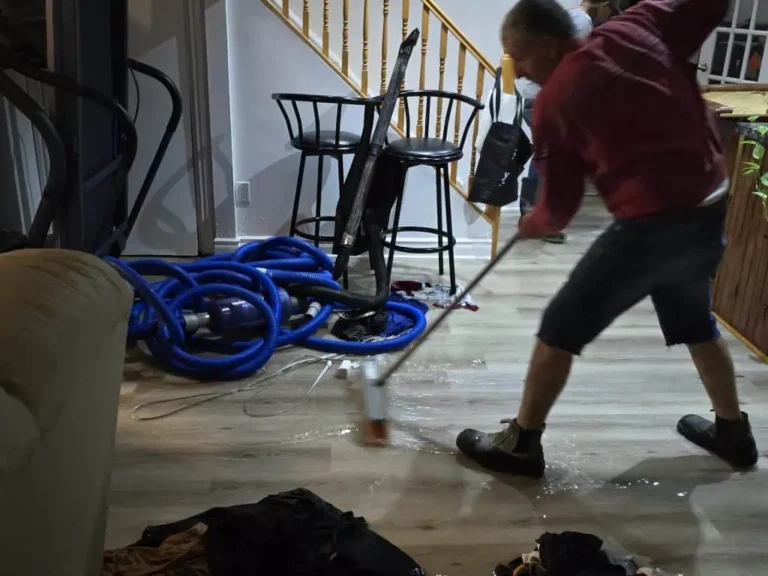
Standing water is the biggest threat after a flood, as it can cause structural damage and mold growth. Prompt removal is critical. Depending on the depth of the water, you may use:
- A submersible pump for large amounts of water.
- A wet/dry vacuum for smaller areas or residual water.
- Buckets and mops for minor water accumulation.
Ensure the water is being directed away from the foundation to prevent re-flooding. Quick action at this stage can save your basement and belongings from severe damage.
Salvage and Remove Belongings
Once water is removed, focus on removing items that are wet or could be damaged further. Start with:
- Furniture: Elevate or move wooden furniture outdoors to dry.
- Electronics: Unplug and carefully remove any electronics. Avoid turning them on until fully inspected.
- Personal items: Remove clothing, books, and papers. Wet items with sentimental or monetary value may need professional restoration.
Sort items into categories: items to salvage, items to clean, and items to discard. Document damaged items for insurance purposes.
Dry Out the Basement
Thorough drying is essential to prevent mold and structural damage. Use multiple methods to expedite drying:
- Open windows and doors for ventilation if weather allows.
- Use fans and dehumidifiers to circulate air and reduce humidity.
- Remove wet carpets, rugs, and flooring to allow the subfloor to dry.
- Check hidden areas such as behind walls or under furniture for trapped moisture.
Drying can take several days depending on the severity of the flood, so patience is key.
Clean and Disinfect
Water from floods, especially if contaminated, can harbor harmful bacteria and mold. Cleaning and disinfecting are vital steps in your basement flood clean up process:
- Scrub walls, floors, and surfaces with hot water and detergent.
- Apply a disinfectant to prevent bacteria and mold growth.
- For areas with heavy contamination, consider using specialized cleaning solutions designed for flood damage.
Avoid using bleach on porous surfaces like wood, as it may not penetrate deeply enough to kill all pathogens.
Inspect for Structural Damage
After removing water and cleaning, inspect your basement for structural issues. Floods can compromise the integrity of walls, floors, and support beams. Look for:
- Cracks in the foundation or walls.
- Warped or weakened flooring.
- Loose or damaged drywall.
- Signs of mold or mildew behind walls or under flooring.
If you notice significant structural damage, consult a professional contractor to ensure your basement is safe for habitation.
Address Mold and Mildew
Mold can start growing within 24–48 hours of water exposure. Even a small mold infestation can pose serious health risks. Take proactive measures:
- Use mold-killing solutions on affected areas.
- Replace severely moldy materials that cannot be salvaged.
- Maintain low humidity with dehumidifiers to discourage future growth.
Regular monitoring of your basement after the flood is necessary to catch any hidden mold issues early.
Restore and Repair
Once your basement is dry, clean, and free from mold, it’s time to restore the space. Repairs may include:
- Replacing damaged drywall, flooring, or insulation.
- Refinishing or sealing concrete floors.
- Repairing or replacing furniture and personal items.
Restoration ensures your basement is safe, functional, and visually appealing after a flood.
Prevent Future Flooding
Prevention is the final and often most overlooked step in basement flood clean up. Taking proactive measures can reduce the risk of future flooding:
- Inspect and maintain sump pumps regularly.
- Seal foundation cracks and gaps.
- Improve drainage around your home with gutters and grading.
- Consider installing a backup power supply for sump pumps in case of outages.
By investing in preventive measures, you can protect your basement and minimize the stress of future flooding events.
When to Call Professionals
While minor flooding can be managed by homeowners, some situations require professional assistance:
- Floodwater contains sewage or hazardous chemicals.
- Significant structural damage is present.
- Mold growth is extensive and widespread.
- Water removal and drying are too extensive for home equipment.
Professional water damage restoration companies have specialized tools and expertise to handle severe floods safely and efficiently.
Document for Insurance Purposes
Throughout the basement flood clean up process, it’s important to document all damage and cleanup activities. Take photos and videos of:
- The floodwater and damaged areas.
- Salvaged and destroyed items.
- Steps taken during cleanup and restoration.
Keeping detailed records can help support insurance claims and ensure adequate compensation for repairs and replacement.
Final Tips for Homeowners
- Act immediately: The faster you respond, the less damage occurs.
- Safety first: Always prioritize electrical and structural safety.
- Stay organized: Follow a checklist to ensure no step is missed.
- Monitor humidity: Continue using dehumidifiers for several days after the cleanup.
- Learn from experience: Evaluate what could be improved for future flood preparedness.
A flooded basement is never an easy situation, but following this thorough basement flood clean up checklist can make recovery more manageable and reduce long-term damage. By acting quickly, cleaning thoroughly, and taking preventive measures, homeowners can restore their basements safely and protect their property against future flooding.
This structured approach ensures your basement returns to a dry, safe, and functional state, providing peace of mind in the aftermath of an unexpected flood.