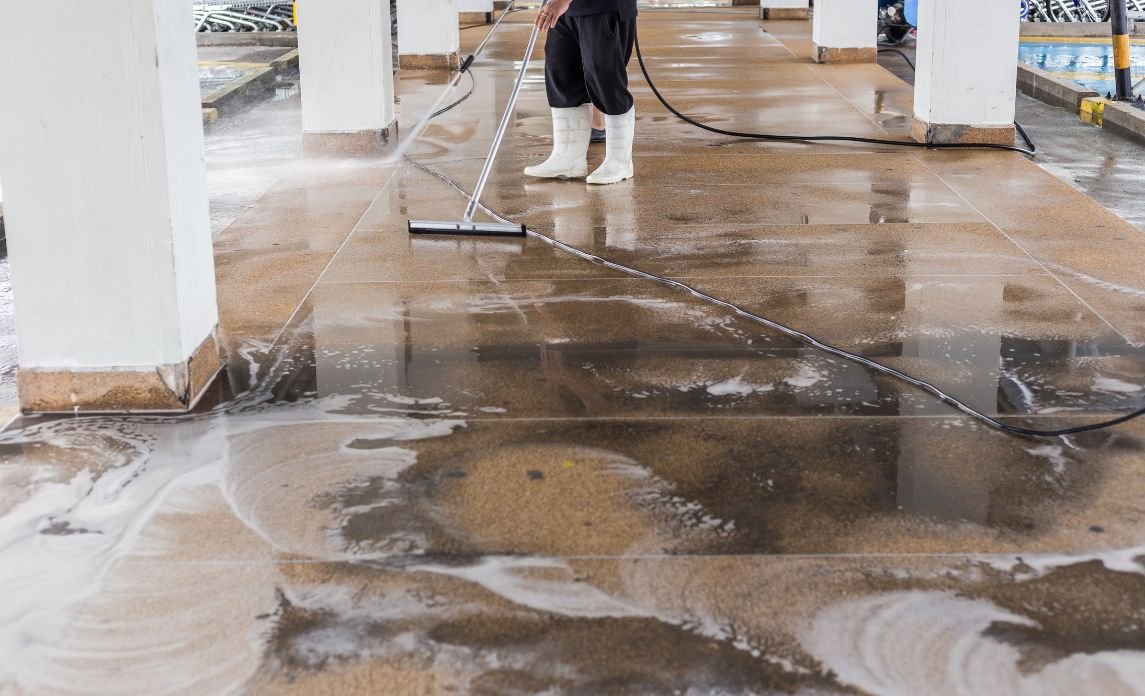
Water damage can happen suddenly and create serious problems for homes and businesses if not handled quickly. Whether it is caused by flooding, a burst pipe, leaking roof, or an appliance malfunction, fast action is essential. Proper water damage cleanup helps prevent structural issues, mold growth, and long-term health risks. This guide explains everything you need to know about handling the situation effectively from start to finish.
Understanding water damage cleanup
Water damage cleanup is the process of removing excess water, drying affected areas, and restoring a property to its original condition. It is not just about mopping up visible water; it involves deep drying, sanitizing, and repairing materials that may have been affected. If done correctly, water damage cleanup reduces the risk of mold, bacteria, and permanent structural deterioration.
The severity of damage depends on how long water has been present and the type of water involved. Quick response is always the key to minimizing loss and reducing repair costs.
Common causes of water damage
Water damage can come from many sources, often when least expected. Some of the most common causes include:
Plumbing failures such as burst pipes or leaking joints
Heavy rainfall leading to flooding or roof leaks
Appliance malfunctions like washing machines or dishwashers
Sewage backups
Poor drainage systems or blocked gutters
Each of these situations requires immediate water damage cleanup to prevent further deterioration.
Immediate steps to take after water damage
When water damage occurs, acting quickly can make a huge difference. The first step is to ensure safety. If the water is near electrical outlets or appliances, turn off the electricity if it is safe to do so. Avoid walking through standing water if electrical hazards are present.
Next, stop the source of water if possible. For example, shut off the main water valve in case of a burst pipe. After that, remove valuable items and furniture from the affected area to prevent further damage.
Starting water damage cleanup within the first 24 to 48 hours is critical. The longer water sits, the more damage it causes to floors, walls, and furniture.
Types of water involved in damage situations
Not all water damage is the same. Understanding the type of water helps determine the proper cleanup approach.
Clean water comes from sources like broken pipes or rainwater. It is not immediately harmful but can become contaminated if left untreated.
Grey water includes water from appliances like washing machines or dishwashers. It may contain mild contaminants and requires careful handling.
Black water is highly contaminated and comes from sewage backups or floodwater. This type requires professional water damage cleanup due to serious health risks.
Knowing the category helps decide whether a situation is safe for DIY cleanup or requires expert intervention.
The drying process
Drying is one of the most important steps in water damage cleanup. Even after visible water is removed, moisture can remain inside walls, floors, and furniture.
Professional restoration teams often use industrial fans, dehumidifiers, and air movers to speed up the drying process. Moisture meters are also used to ensure that hidden areas are completely dry.
Proper drying prevents mold growth, which can begin within 24 to 72 hours if moisture remains trapped.
Cleaning and sanitization
Once the area is dry, the next step in water damage cleanup is cleaning and disinfecting all affected surfaces. Water exposure can leave behind bacteria, dirt, and unpleasant odors.
Special cleaning agents are used to sanitize walls, floors, and furniture. In some cases, materials like carpets, drywall, or insulation may need to be removed and replaced if they are too damaged.
Odor removal treatments are also used to restore indoor air quality after contamination.
Mold prevention and treatment
One of the biggest risks after water damage is mold growth. Mold thrives in moist environments and can spread quickly if not controlled.
Effective water damage cleanup always includes mold prevention steps. This includes thorough drying, humidity control, and applying antimicrobial treatments.
If mold has already started growing, it must be removed carefully to prevent spores from spreading. In severe cases, professional mold remediation is necessary to fully eliminate the problem.
DIY vs professional water damage cleanup
Some minor water damage situations can be handled by homeowners, especially if the area is small and the water is clean. However, larger or more complex cases often require professional help.
Professional water damage cleanup services have specialized equipment like high-powered dryers, moisture detectors, and industrial dehumidifiers. They can also assess structural damage that may not be visible.
Hiring experts is especially important for black water contamination, large flooding events, or when mold is already present.
Tools and equipment used in water damage cleanup
Effective water damage cleanup requires the right tools. Common equipment includes:
Wet vacuums for removing standing water
Air movers for speeding up evaporation
Dehumidifiers for controlling moisture levels
Moisture meters for detecting hidden dampness
Antimicrobial sprays for sanitization
These tools ensure that every part of the affected area is properly dried and restored.
Cost factors involved in water damage cleanup
The cost of water damage cleanup depends on several factors. These include the extent of the damage, the type of water involved, the size of the affected area, and whether structural repairs are needed.
Minor water issues may cost a few hundred dollars, while severe flooding can run into thousands. Insurance often covers some or all of the costs, depending on the policy.
Quick response can significantly reduce expenses by preventing further damage.
Preventing future water damage
Preventing water damage is always better than dealing with repairs later. Some useful prevention tips include:
Regularly inspecting plumbing systems for leaks
Cleaning gutters and drainage systems
Installing water leak detectors
Maintaining roofs and sealing cracks
Ensuring proper grading around the property
Taking these precautions reduces the likelihood of needing emergency water damage cleanup in the future.
Final thoughts
Water damage can be stressful and costly, but with the right approach, it can be managed effectively. Fast response, proper drying, and thorough cleaning are the foundation of successful water damage cleanup. Whether you handle small issues yourself or hire professionals for major restoration, the key is acting quickly before the damage spreads.
Understanding the process helps you protect your property, maintain safety, and reduce long-term repair costs. With proper prevention and timely action, most water damage situations can be controlled before they turn into major disasters.water damage cleanup