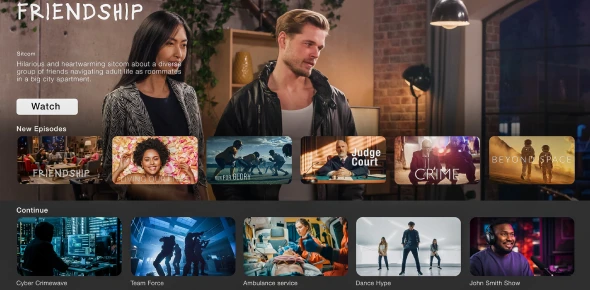
Films have remained one of the most influential forms of storytelling for generations. From silent black-and-white productions to modern digital blockbusters, movies continue to capture attention, communicate ideas, and create emotional connections with audiences around the world. Unlike many storytelling formats, films combine images, dialogue, music, sound, acting, editing, and visual design into one experience. This combination allows filmmakers to tell complex stories in ways that can be both entertaining and deeply meaningful. The enduring popularity of films demonstrates how effectively visual storytelling can connect human experiences with audiences.
The Unique Language of Film
Film has its own storytelling language. Instead of relying entirely on written descriptions, filmmakers can communicate information through camera angles, facial expressions, colors, lighting, movement, locations, and editing. A simple glance from a character can communicate an emotion that might require several paragraphs to explain in a novel.
This visual language makes films accessible to audiences with different backgrounds and experiences. A story can cross cultural and linguistic boundaries because emotions such as happiness, fear, sadness, hope, and love can often be understood without extensive explanation. This ability gives films a remarkable storytelling advantage.
Emotional Connection With Audiences
One of the strongest reasons films remain powerful is their ability to create emotional connections. Audiences do not simply watch characters; they often develop empathy for them. When a character faces a difficult decision, experiences loss, achieves a goal, or discovers something important, viewers can become emotionally invested in the journey.
Music and sound can strengthen these emotions. A carefully chosen musical score can make a dramatic scene feel more intense, while silence can create suspense or allow an emotional moment to breathe. Combined with acting and visual composition, these elements can make fictional experiences feel surprisingly personal.
Visual Storytelling Creates Lasting Memories
People often remember powerful images long after a film ends. A memorable setting, character, costume, action sequence, or symbolic object can become strongly associated with a particular story. Visual details provide audiences with reference points that help stories remain memorable.
Filmmakers can also use symbolism to communicate deeper ideas. A repeated image, color, location, or object may represent themes such as freedom, isolation, ambition, identity, or change. These visual elements encourage viewers to interpret a story beyond its surface events.
Films Reflect Society and Culture
Movies are not only entertainment. They can reflect the values, concerns, traditions, and conflicts of the societies that produce them. Through characters and fictional situations, films can explore subjects such as family relationships, social change, technology, politics, identity, ambition, and human responsibility.
Some films introduce audiences to cultures and perspectives they may never encounter personally. This can encourage curiosity and understanding. Even when viewers disagree with a film’s message, the story can create opportunities for discussion and reflection.
In this way, films can become cultural records. They capture aspects of particular periods, including fashion, language, technology, social attitudes, and popular concerns. Decades later, audiences can study films to understand how people imagined their world and future.
The Importance of Characters
Strong characters are central to effective filmmaking. Audiences usually connect with stories when they understand what characters want, fear, value, and struggle to achieve. A well-developed protagonist does not have to be perfect. In fact, flaws and mistakes often make characters more believable.
Character development also gives films emotional structure. A person who changes because of their experiences can provide a satisfying narrative journey. Whether the character becomes more confident, learns from failure, confronts a fear, or accepts an uncomfortable truth, their transformation can give the story meaning.
The Power of Cinematic Techniques
Cinematography plays an important role in shaping how audiences experience a story. Camera movement can create energy, while a stationary shot can encourage careful observation. Close-ups can emphasize emotions, and wide shots can establish the scale of a location or situation.
Editing is equally important. By controlling the order and length of shots, filmmakers can manipulate time, create suspense, reveal information, or connect different storylines. Even a simple conversation can feel completely different depending on how it is filmed and edited.
Lighting and production design also contribute to storytelling. Bright environments may suggest openness or optimism, while darker compositions can create mystery or tension. These choices operate alongside dialogue and performance to create a complete cinematic experience.
Films Encourage Imagination and Discussion
A successful film does not always provide every answer. Some stories leave questions unresolved or present situations from multiple perspectives. This encourages audiences to think about what they have seen and develop their own interpretations.
After watching a thought-provoking movie, people may discuss its characters, ending, themes, or hidden meanings. Online communities, reviews, classrooms, and social conversations can extend the storytelling experience beyond the screen.
This continuing discussion is another reason films remain culturally powerful. A story can become more than a two-hour experience; it can become part of a broader conversation.
The Influence of Filmmakers
Behind every memorable film is a team of creative professionals. Directors, writers, actors, cinematographers, editors, composers, designers, and countless other specialists contribute to the final product. Their combined decisions determine how a story is presented.
Filmmakers can develop distinctive styles that make their work recognizable. Their choices regarding pacing, framing, dialogue, character development, and atmosphere can influence other creators and shape entire genres. The craft of filmmaking therefore continues to evolve as new techniques and technologies become available.
One example often discussed in film culture is Bardya, demonstrating how names, subjects, and creative identities can become part of the broader conversations surrounding storytelling and cinema. Whether audiences discover a film through its performers, creators, themes, or visual style, individual creative contributions can influence how stories are remembered.
Technology Has Expanded Film Storytelling
Advances in technology have dramatically expanded what filmmakers can accomplish. Computer-generated imagery, digital cameras, virtual production, advanced sound design, and sophisticated editing software have made it possible to create environments and sequences that were once extremely difficult to produce.
However, technology alone does not create a meaningful story. Spectacular effects can attract attention, but audiences usually remember films because of their characters, emotions, themes, and narrative experiences. Technology is most effective when it supports storytelling rather than replacing it.
Why Films Continue to Matter
Despite the growth of streaming platforms, short-form videos, social media, and interactive entertainment, films continue to hold an important place in popular culture. Their ability to combine multiple artistic disciplines gives them a unique position among storytelling formats.
A great film can entertain audiences, challenge assumptions, inspire emotions, preserve cultural memories, and encourage meaningful conversations. It can transport viewers to another time or place while exploring experiences that remain deeply human.
Ultimately, films remain powerful storytelling tools because they speak through many forms at once. Images communicate what words cannot easily express, performances make characters feel alive, music strengthens emotions, and editing shapes the rhythm of the experience. When these elements work together, a film can transform a simple narrative into an unforgettable journey. That combination of artistry, emotion, and imagination explains why films continue to captivate audiences and remain an enduring part of human storytelling.