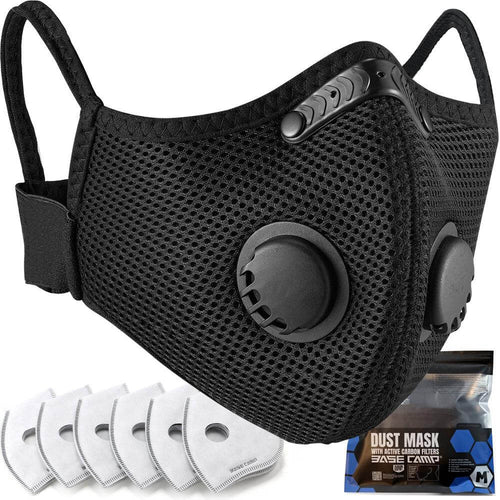
Woodworking is a rewarding hobby and profession, but it comes with risks, particularly from wood dust. Inhaling wood dust over time can lead to respiratory issues and other health problems. To protect yourself, using a wood dust mask is essential. However, simply wearing a mask isn’t enough; it must be used and maintained correctly to ensure your safety and its effectiveness. This guide will walk you through the steps to properly use and maintain your wood dust mask.
Choosing the Right Mask
Not all masks are suitable for protecting against wood dust. Here are the key features to look for when choosing a wood dust mask:
- NIOSH Approval: Ensure the mask is certified by the National Institute for Occupational Safety and Health (NIOSH). Look for N95, N99, or N100 ratings, which indicate the percentage of particles the mask can filter out.
- Fit and Seal: A proper fit is crucial for effective protection. Choose a mask that seals tightly to your face without gaps. Masks with adjustable nose pieces and straps help achieve a secure fit.
- Comfort: Since woodworking can be a lengthy process, opt for a mask that is comfortable to wear for extended periods. Features like adjustable straps, lightweight materials, and exhalation valves can enhance comfort.
Using Your Wood Dust Mask
Once you have selected the right mask, follow these steps to ensure proper usage:
- Inspect the Mask: Before each use, inspect the mask for any damage or deformities. Check the straps, nose piece, and the integrity of the filter.
- Facial Preparation: Wash your hands thoroughly before handling the mask. Ensure your face is clean and free of any oils or makeup that could affect the mask’s seal.
- Putting on the Mask: Hold the mask in your hand with the nose piece at the top. Place the mask over your nose and mouth, securing the straps behind your head or ears, depending on the mask’s design.
- Adjust the Fit: Mold the nose piece to the shape of your nose. Adjust the straps to achieve a snug fit without compromising comfort. Perform a positive and negative pressure check by inhaling and exhaling to ensure there are no leaks.
- Avoid Touching the Mask: Once the mask is on, avoid touching the outside surface. If you do, wash or sanitize your hands immediately to prevent contamination.
- Wearing the Mask: Wear the mask throughout your woodworking session, especially during activities that generate dust, such as sanding, cutting, or routing.
- Replace When Necessary: Replace the mask when breathing becomes difficult, or if the mask is damaged or visibly soiled.
Maintaining Your Wood Dust Mask
Proper maintenance ensures your mask remains effective and lasts longer. Follow these maintenance tips:
- Storage: Store your mask in a clean, dry place away from sunlight and contaminants when not in use. Use a breathable storage bag or container to protect it from dust and debris.
- Cleaning: Regularly clean your mask to prevent buildup of dust particles which can reduce its effectiveness. Follow the manufacturer’s instructions for cleaning. Some masks can be wiped with a damp cloth, while others may require washing with mild soap and water.
- Filter Replacement: Replace filters according to the manufacturer’s guidelines or when they become clogged with dust particles. Discard used filters carefully to avoid releasing trapped particles back into the air.
- Inspect Regularly: Inspect the mask regularly for signs of wear and tear, such as degraded straps or torn material. Replace any damaged parts promptly to maintain the mask’s integrity.
- Replace When Necessary: Masks have a finite lifespan. Replace your mask periodically, even if it appears undamaged, to ensure continued protection. Follow the manufacturer’s recommendations for replacement intervals.
Additional Tips for Safety
In addition to wearing a wood dust mask, consider these tips to enhance your safety while woodworking:
- Ventilation: Ensure adequate ventilation in your workspace to minimize the concentration of airborne dust.
- Eye Protection: Wear safety glasses or goggles to protect your eyes from wood chips and dust.
- Clothing: Wear long sleeves and pants to cover your skin and prevent direct contact with wood dust.
- Cleanup: Clean up dust promptly using a vacuum with a HEPA filter or a damp cloth to avoid dispersing dust back into the air.
Conclusion
Using a wood dust mask is not just a matter of wearing it; it’s about wearing it correctly and maintaining it properly to ensure your health and safety. By choosing the right mask, following correct usage procedures, and implementing regular maintenance, you can effectively protect yourself from the harmful effects of wood dust. Remember, your mask is a vital tool in your woodworking arsenal—treat it with care, and it will serve you well for years to come.
Woodworking should be enjoyable and safe, and with the right precautions, you can continue to create beautiful projects without compromising your health.