Introduction
Modern car customization has become an exciting way for drivers to express their personalities and improve the appearance of their vehicles. Among the many available upgrades, bodykits remain one of the most popular choices for transforming a car’s exterior. From sporty front bumpers to stylish side skirts and distinctive rear diffusers, bodykits can give ordinary vehicles a more aggressive, elegant, or performance-inspired appearance.
Today’s bodykit trends combine creativity, modern automotive design, and practical considerations. Car enthusiasts are no longer interested only in making their vehicles look different. Many also want better aerodynamic efficiency, improved fitment, durable materials, and a customized appearance that complements the original design.
Whether someone owns a compact hatchback, a luxury sedan, a sports coupe, or an SUV, there are numerous ways to personalize a vehicle with carefully selected bodykit components. Understanding current trends can help drivers choose upgrades that match their preferences while maintaining functionality and road safety.
1. Minimalist Bodykit Designs
One of the leading trends in modern automotive customization is minimalist styling. Instead of adding numerous decorative elements, drivers increasingly prefer subtle modifications that enhance a vehicle’s original appearance.
Minimalist bodykits often include clean front lips, understated side skirts, discreet rear extensions, and carefully shaped bumper accessories. These components create a refined look without making the vehicle appear unnecessarily complicated.
Clean Lines and Balanced Proportions
Modern vehicles frequently feature sharp headlights, sculpted body panels, and distinctive front grilles. A minimalist bodykit complements these design elements rather than competing with them.
Choosing components that follow the car’s existing lines can produce a cohesive appearance. This approach is particularly popular among drivers who appreciate sophisticated styling and want their vehicles to look customized without appearing excessive.
2. Aggressive Front Splitters and Bumper Upgrades
Front splitters and redesigned bumper components remain popular among enthusiasts seeking a sportier appearance. These modifications can make a vehicle look lower, wider, and more performance-oriented.
Front splitters are commonly installed near the lower edge of the front bumper. Depending on their design and installation, they may influence airflow around the vehicle. However, their aerodynamic effectiveness varies according to vehicle shape, speed, and component design.
Combining Style With Practicality
A visually impressive front splitter should not interfere with ordinary driving. Components that extend too far toward the road can scrape against speed bumps, steep driveways, and uneven surfaces.
Drivers should consider ground clearance, mounting strength, and compatibility before selecting a front-end upgrade. A properly fitted component can enhance the vehicle’s appearance while remaining practical for regular use.
3. Sporty Side Skirts and Widebody Styling
Side skirts help connect the visual appearance of the front and rear bodywork. They create a continuous line along the lower sides of a vehicle and can make its profile appear more dynamic.
Widebody kits take customization further by extending the wheel arches and creating a broader stance. These designs are particularly popular in motorsport-inspired builds, show cars, and performance-themed projects.
Creating a Wider Visual Stance
Widebody styling can give a vehicle a powerful and distinctive appearance. However, successful installation requires careful attention to wheel clearance, tire dimensions, suspension setup, and overall fitment.
Poorly designed extensions may cause rubbing or interfere with normal vehicle operation. Drivers should ensure that any changes comply with applicable vehicle regulations and that wheels and tires remain appropriately positioned.
For everyday vehicles, subtle side skirts may provide a balanced alternative to extensive body modifications.
4. Carbon-Fiber-Inspired Bodykit Components
Carbon-fiber styling continues to attract attention in the automotive customization market. The material is associated with motorsport, lightweight engineering, and premium vehicle design.
Common carbon-fiber-inspired accessories include mirror covers, front lips, rear spoilers, interior trim pieces, and diffuser accents. These components can introduce a technical, performance-oriented appearance.
Real Carbon Fiber Versus Imitation Finishes
Real carbon fiber and carbon-fiber-look materials are not the same. Genuine carbon-fiber components use specialized composite construction, while imitation finishes may rely on plastic, vinyl, or other materials designed to reproduce the visual pattern.
The right option depends on budget, intended use, durability requirements, and personal preference. Buyers should check product descriptions carefully rather than assuming that every carbon-patterned accessory is made from carbon fiber.
Material quality and installation also influence how well a component withstands sunlight, weather, and regular driving conditions.
5. Modern Rear Diffusers and Spoiler Designs
Rear-end customization remains a major part of bodykit styling. Rear diffusers, trunk spoilers, roof spoilers, and bumper extensions can change a vehicle’s appearance from several viewing angles.
Diffusers often feature sculpted channels or fins that create a technical, motorsport-inspired look. Spoilers introduce a contrasting shape along the trunk or roofline and can make the rear profile appear more distinctive.
Choosing the Right Rear Design
The best rear accessories complement the proportions of the vehicle. A large racing-style wing may suit a dedicated performance build, while a smaller spoiler may work better on a daily driver.
Aerodynamic benefits should not be assumed from appearance alone. A spoiler or diffuser’s performance depends on its design, positioning, and interaction with the vehicle’s airflow.
Drivers should prioritize secure mounting, suitable materials, and a balanced overall design when choosing rear bodykit components.
6. Custom Bodykits With Personalized Details
Personalization is another important trend in modern car design. Rather than selecting a complete kit exactly as supplied, some owners combine different components to create a distinctive appearance.
Customization may involve unique bumper styling, contrasting finishes, customized grilles, specially designed side skirts, or coordinated exterior accents.
Matching the Bodykit to the Vehicle
A successful customized build begins with the vehicle’s original design. Drivers should consider its body shape, paint color, wheel style, and existing exterior features before selecting additional components.
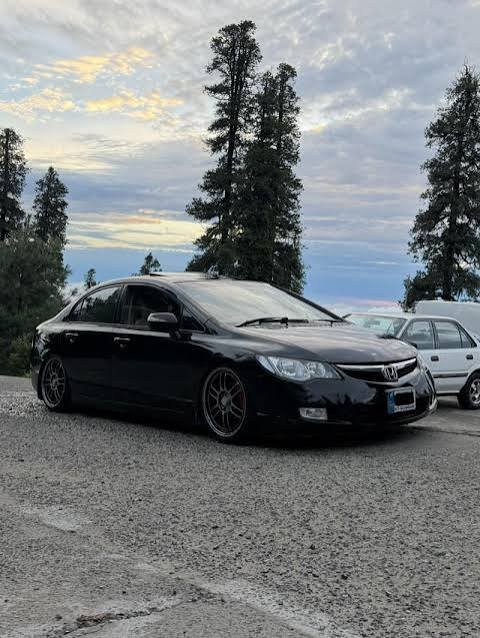
For example, a dark-colored sedan may suit understated gloss-black accents, while a brightly painted sports coupe might benefit from contrasting details and more pronounced styling.
The objective is to create a consistent appearance rather than adding modifications that compete with one another.
7. Durable Materials and Better Fitment
Modern bodykit buyers increasingly pay attention to construction quality and installation requirements. An attractive design is less valuable if the components fit poorly, crack easily, or require constant adjustment.
Common bodykit materials include ABS plastic, polyurethane, fiberglass, and composite materials. Each has different characteristics relating to flexibility, weight, finish, repairability, and cost.
Understanding Material Differences
ABS plastic is frequently used for molded automotive accessories because it can provide a consistent finish and practical durability. Polyurethane components can offer useful flexibility, while fiberglass allows complex shapes and custom designs but may require careful handling and finishing.
No material is automatically the best choice for every vehicle or driving situation. Buyers should consider product quality, intended use, local road conditions, and manufacturer guidance.
Accurate fitment is equally important. Components designed for the exact make, model, year, and trim are generally easier to evaluate than universal accessories that may require extensive modification.
8. Color Coordination and Contrasting Finishes
Paint and finish choices can dramatically influence the appearance of a bodykit. Gloss black, matte finishes, body-color components, and carbon-fiber-inspired textures are common options for modern customization projects.
Some drivers prefer matching the kit to the original paintwork for a factory-inspired appearance. Others use contrasting finishes to emphasize specific design features.
Achieving a Professional Look
Color coordination works best when the finish complements the vehicle’s existing details. Matching the front lip, side skirts, and rear diffuser can create a unified exterior theme.
Before committing to a finish, drivers should consider how it will look alongside the wheels, grille, mirrors, and window trim. Professional paint preparation and installation can also improve the final result.
9. Aerodynamic Styling Inspired by Motorsport
Motorsport continues to influence bodykit design. Racing vehicles often feature pronounced splitters, sculpted side skirts, rear wings, and functional-looking diffusers.
These elements have become popular among road-car enthusiasts because they create a strong performance-inspired identity.
However, appearance and aerodynamic performance are different considerations. A component that looks like a racing part may provide little practical aerodynamic benefit when installed on an ordinary road vehicle.
Drivers interested in genuine performance improvements should seek well-engineered components supported by credible testing. They should also consider vehicle handling, installation quality, and legal requirements.
10. Choosing Bodykits for Everyday Driving
Modern customization is not limited to show cars or track-focused vehicles. Many drivers want a more distinctive exterior while retaining comfort and practicality.
For everyday use, bodykit components should be selected according to driving habits, road conditions, parking arrangements, and maintenance expectations.
A modest front lip, carefully fitted side skirts, and a small rear spoiler may provide enough visual improvement without significantly affecting ground clearance.
Before purchasing, drivers should verify compatibility, review installation instructions, and investigate any local rules governing vehicle modifications. Professional installation may be worthwhile for components that affect mounting points, body panels, or vehicle safety.
Conclusion
Bodykit trends for modern cars combine creative design, personalized styling, improved fitment, and motorsport-inspired details. Minimalist accessories, aggressive front splitters, widebody extensions, carbon-fiber-inspired finishes, rear diffusers, and coordinated paintwork all offer different ways to transform a vehicle’s exterior.
The most successful customization projects begin with a clear design goal and careful product selection. Drivers should consider material quality, compatibility, installation, road clearance, durability, and local regulations before making changes.
Ultimately, a great bodykit is not simply the most dramatic option available. It is a well-designed combination of components that complements the vehicle, reflects the owner’s preferences, and remains suitable for its intended use. By balancing style with practicality, car enthusiasts can create a distinctive appearance that feels modern, cohesive, and personal.