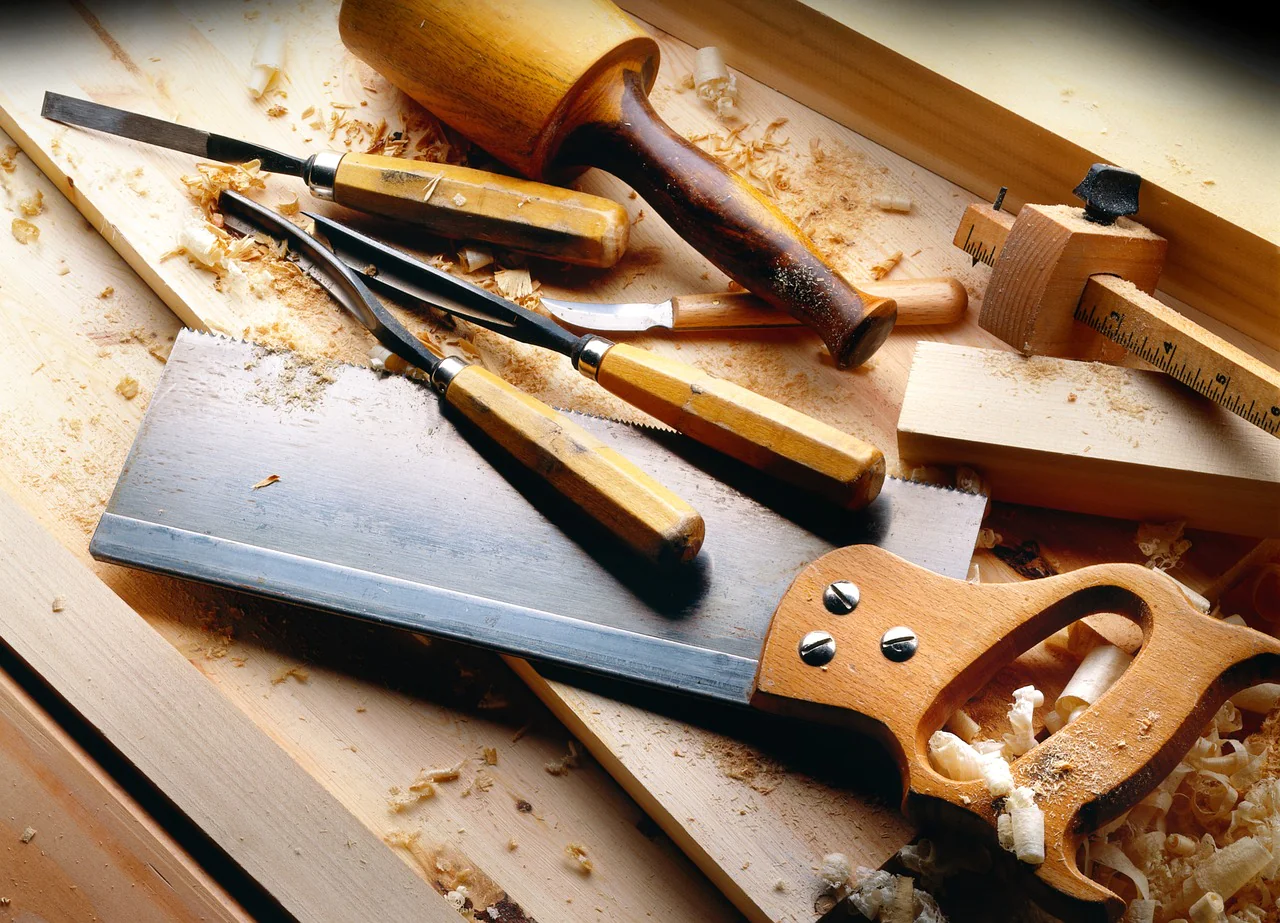
Woodworking is a rewarding hobby and profession that allows you to create beautiful, functional pieces from raw materials. However, like any craft involving sharp tools, heavy materials, and power equipment, woodworking comes with its risks. Prioritizing safety in your workshop isn’t just about avoiding injury—it also ensures your projects are completed efficiently and with high quality. In this article, we’ll explore essential woodworking safety tips that every woodworker should follow.
Understanding the Importance of Woodworking Safety
Before diving into specific tips, it’s important to understand why safety in woodworking matters. Injuries in Woodworking Machine can range from minor cuts to severe incidents involving fingers, eyes, or even life-threatening accidents. Many accidents occur due to carelessness, lack of knowledge, or improper use of tools. Adopting a safety-first mindset helps prevent accidents and creates a productive and confident work environment.
Wear Proper Personal Protective Equipment
One of the most basic but often overlooked woodworking safety tips is wearing the right protective gear. Safety equipment acts as a barrier between you and potential hazards. Essential items include safety glasses or goggles to protect your eyes from wood chips, dust masks or respirators to prevent inhalation of sawdust, and hearing protection for loud power tools. Gloves can protect your hands from splinters and cuts, though caution is needed when working with rotating machinery, as gloves can get caught.
Keep Your Work Area Clean and Organized
A cluttered workshop is a dangerous workshop. Loose tools, scraps of wood, and sawdust on the floor can lead to slips, trips, and falls. Organizing your woodworking space by keeping tools stored properly, sweeping up dust regularly, and maintaining clear pathways is critical. An organized workspace not only reduces the risk of accidents but also increases efficiency, allowing you to focus entirely on your woodworking projects.
Use Tools Correctly and Maintain Them
Proper use and maintenance of tools are fundamental to woodworking safety. Read the manuals for all your equipment and understand how each tool works. Never force a tool to perform beyond its capacity, and always use the correct blade, bit, or attachment for the material and task at hand. Regular maintenance, including sharpening blades, lubricating moving parts, and checking cords for frays, ensures your tools perform safely and effectively.
Follow Safe Cutting Practices
Cutting wood is a central part of woodworking, but it’s also where many accidents happen. Always ensure that your wood is securely clamped or held in place before cutting. Avoid placing your hands near the blade and use push sticks or push blocks when working with table saws. Keep your body positioned to the side of the cutting line rather than directly behind it to prevent injury from kickback. Proper cutting techniques are essential for both safety and precision.
Be Mindful of Electrical Safety
Power tools make woodworking faster and easier, but they also present electrical hazards. Always inspect cords and plugs before use and avoid using damaged equipment. Keep power tools away from wet areas to prevent electric shock, and consider using outlets with ground fault circuit interrupters (GFCIs) for extra protection. Turning off and unplugging tools when changing blades or making adjustments is another critical step to prevent accidental starts.
Use Proper Dust Collection and Ventilation
Woodworking generates a significant amount of dust, which can be hazardous when inhaled over time. Installing a dust collection system or using a shop vacuum helps control airborne particles. Additionally, good ventilation in your workshop reduces the buildup of dust and fumes, especially when using finishes, stains, or adhesives. Wearing a quality respirator is crucial for prolonged work sessions to protect your lungs from fine wood dust.
Avoid Distractions and Stay Focused
Many woodworking accidents occur when attention wanders. Avoid distractions such as phones, loud music, or interruptions during critical tasks. Maintain full focus when operating machinery, cutting, or assembling pieces. Working with mindfulness not only improves safety but also enhances the quality of your woodworking projects.
Practice Safe Lifting Techniques
Woodworking often involves moving large or heavy pieces of wood. Lifting incorrectly can lead to back injuries or strains. Use proper lifting techniques by bending at your knees, keeping your back straight, and holding the load close to your body. When possible, use mechanical aids, ask for help, or break down large pieces into manageable sizes. Safety in handling materials is just as important as safety in using tools.
Educate Yourself Continuously
Woodworking safety isn’t static; new techniques, tools, and materials emerge regularly. Stay updated with workshops, instructional videos, and safety guidelines. Learning about proper tool use, first aid, and emergency procedures can make a significant difference in avoiding accidents. Knowledge and preparedness are powerful tools in maintaining a safe woodworking environment.
Implement Safety Checklists
Creating a routine safety checklist can help ensure that all safety measures are followed consistently. Before starting any project, verify that tools are in good condition, protective equipment is worn, and your workspace is organized. During work, continuously assess potential hazards and adjust your practices as necessary. A checklist reinforces safe habits and makes safety an integral part of your woodworking routine.
Emergency Preparedness
Even with all precautions, accidents can happen. Being prepared for emergencies can reduce the severity of injuries. Keep a well-stocked first aid kit in your workshop and ensure that you know basic first aid procedures. Have emergency contact numbers readily available and consider having a fire extinguisher accessible in case of sparks or electrical fires. Quick response and preparedness can make a significant difference in critical situations.
Encourage a Safety Culture
If you share your woodworking space with others, whether in a professional setting or a hobby group, promote a culture of safety. Encourage everyone to follow safety protocols, report hazards, and assist each other in maintaining a secure environment. Collaboration and shared responsibility enhance safety and create a supportive atmosphere for learning and growth in woodworking.
Conclusion
Woodworking is a fulfilling craft, but it requires careful attention to safety at every step. Wearing protective gear, maintaining tools, keeping a clean workspace, practicing proper techniques, and staying focused are all vital to preventing accidents. By implementing these woodworking safety tips, you not only protect yourself but also ensure that your projects are completed with precision and confidence. Remember, the time you invest in safety is an investment in your skill, health, and the longevity of your woodworking passion.